
What Is Net-Zero Energy and Why It Matters

The world stands at a climate crossroads, and net-zero energy has emerged as the defining goal for a sustainable future. But what does it truly mean?
At its core, net-zero energy refers to buildings, cities, or even entire nations balancing the energy they consume with the renewable energy they generate. This equilibrium isn’t just aspirational—it’s a necessity.
As global temperatures surge and fossil fuel dependence wanes, the shift toward net-zero energy is no longer optional—it’s inevitable.
Governments, corporations, and individuals must rethink energy consumption, storage, and generation. The question isn’t whether we can achieve net-zero energy, but how quickly.
The stakes couldn’t be higher. The latest IPCC report confirms that delaying emission cuts risks irreversible climate damage.
Meanwhile, renewable energy costs have plummeted—solar power is now 89% cheaper than a decade ago. The tools for a net-zero energy revolution are here. The only missing piece? Widespread adoption.
The Urgency Behind Net-Zero Energy
Global temperatures continue to climb, with 2024 marking another record-breaking year for heatwaves and extreme weather.
The International Energy Agency (IEA) warns that without drastic reductions in carbon emissions, the 1.5°C threshold could be breached by 2030. Net-zero energy isn’t a luxury; it’s survival.
The consequences of inaction are already visible. Wildfires, rising sea levels, and disrupted agriculture underscore the need for immediate change.
Unlike vague climate pledges, net-zero energy offers measurable, actionable targets. It’s not about reducing harm—it’s about eliminating it.
++Best Charging Options for Electric Bikes and Scooters
Cities like Copenhagen and countries like Sweden prove that rapid decarbonization is possible.
Copenhagen aims for carbon neutrality by 2025, leveraging district heating and offshore wind. If they can do it, why can’t the rest of the world?
How Net-Zero Energy Works in Practice
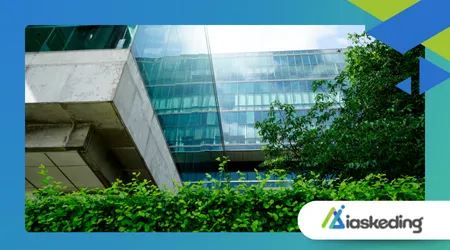
Imagine a bank account where deposits and withdrawals must balance.
A net-zero energy building operates similarly—it produces enough clean power (solar, wind, geothermal) to offset its consumption. No debt, no deficit, just equilibrium.
But how does this translate to real-world applications? First, energy efficiency minimizes waste—better insulation, LED lighting, and smart thermostats cut demand.
++The Rise of Off-Grid Living With Solar Power
Second, on-site renewables cover the remaining needs. Finally, energy storage (like Tesla’s Powerwall) ensures supply matches demand, even when the sun isn’t shining.
The key is integration. A net-zero energy home doesn’t just have solar panels—it optimizes every watt. Passive design, heat pumps, and bidirectional EV charging create a self-sustaining ecosystem.
The Edge, Amsterdam
Dubbed the “smartest building in the world,” The Edge generates more energy than it uses. Solar panels, thermal storage, and AI-driven efficiency make it a net-zero energy pioneer.
Its design goes beyond sustainability—it’s regenerative. Rainwater is recycled, natural light is maximized, and even employee coffee habits are analyzed to reduce waste.
++ Renewable Energy Jobs: What You Need to Know
The building produces 102% of its energy needs, feeding excess back into Amsterdam’s grid.
What makes The Edge revolutionary isn’t just its tech, but its philosophy: buildings should give more than they take. If every office followed suit, urban carbon footprints would collapse overnight.
The Economic Case for Net-Zero Energy
Critics claim sustainability is costly, but data proves otherwise. A 2025 report by McKinsey reveals that net-zero energy retrofits can cut operational costs by 40% within a decade.
The math is simple: invest now, save forever.
Renewables now outcompete fossil fuels on price. The Levelized Cost of Energy (LCOE) for solar and wind has dropped below coal and gas in most markets.
Add battery storage, and net-zero energy isn’t just eco-friendly—it’s cheaper.
The financial sector is taking note. BlackRock and other institutional investors now prioritize net-zero energy projects, recognizing their long-term returns.
Green bonds and ESG funds funnel trillions into clean infrastructure. The market has spoken: sustainability pays.
California’s Zero-Net Energy Mandate
By 2030, all new residential constructions in California must meet net-zero energy standards. The state leads by example, proving policy can drive innovation.
Builders now integrate solar roofs, battery storage, and ultra-efficient HVAC systems as standard. The result? Homes that slash utility bills while boosting resale value.
California’s mandate isn’t a burden—it’s a blueprint.
Other regions are following suit. The EU’s revised Energy Performance of Buildings Directive (EPBD) requires all new buildings to be net-zero energy by 2030.
When regulation aligns with technology, progress accelerates.
The Role of Technology in Achieving Net-Zero Energy
From perovskite solar cells to grid-responsive smart meters, tech accelerates the net-zero energy transition. But innovation alone isn’t enough—behavioral shifts matter just as much.
Emerging breakthroughs like solid-state batteries and green hydrogen promise to overcome renewable intermittency. Meanwhile, AI optimizes energy distribution in real time, preventing waste.
The future isn’t just clean—it’s intelligent.
Yet, technology is only part of the equation. Without public buy-in, even the best solutions fail. Education and incentives must bridge the gap between possibility and adoption.
Debunking Myths About Net-Zero Energy
Some argue renewables are unreliable. Yet, Germany now runs on 65% renewable energy, debunking the myth. Storage solutions, like liquid air batteries, fill gaps when the sun doesn’t shine.
Others claim net-zero energy is too expensive. But consider this: every dollar spent on efficiency saves three in avoided fuel costs. The initial investment pays for itself—often faster than expected.
The final myth? That individual actions don’t matter. In reality, consumer demand drives corporate change. Every solar panel installed and every EV purchased accelerates the transition.
If not net-zero energy, then what? Fossil fuels? Nuclear risks? Or shall we gamble with the planet’s future?
The alternatives are dwindling. The smart money—and the moral imperative—points toward net-zero energy.
The Path Forward: Policy, Innovation, and Collective Action
Governments must incentivize. Corporations must innovate. Individuals must act. The blueprint exists—the only missing ingredient is collective will.
Carbon pricing, renewable subsidies, and stricter building codes can accelerate adoption. Meanwhile, grassroots movements keep pressure on leaders to act. Change isn’t top-down or bottom-up—it’s both.
Key Takeaways
- Net-zero energy is achievable today.
- The cost of inaction far outweighs the investment.
- Every sector—policy, tech, and society—must collaborate.
For deeper insights, explore the IEA’s Net Zero Roadmap and McKinsey’s 2025 Sustainability Report.
The future isn’t zero-sum. It’s net-zero energy—or nothing at all.
Frequently Asked Questions (FAQs)
Q: Is net-zero energy the same as carbon neutrality?
A: Not exactly. Carbon neutrality offsets emissions through credits, while net-zero energy balances energy consumption with on-site renewable generation.
Q: Can older buildings achieve net-zero energy?
A: Yes, through deep retrofits—insulation upgrades, solar installations, and smart energy systems can transform even historic structures.
Q: What’s the biggest barrier to net-zero energy adoption?
A: Upfront costs, though incentives and long-term savings mitigate this. Policy and education are also critical.
Q: Does net-zero energy require cutting off the grid?
A: No. Many net-zero energy buildings remain grid-connected, exporting excess power and importing when needed.
Q: How can individuals contribute?
A: Home solar, energy-efficient appliances, and supporting green policies all help. Collective action drives systemic change.
