
Best Charging Options for Electric Bikes and Scooters
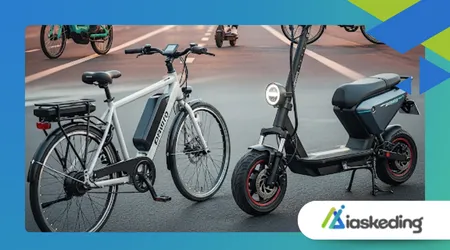
Best Charging Options for Electric Bikes and Scooters have become the cornerstone of urban mobility in 2025, transforming how we power our daily commutes and leisure rides.
As e-bikes and scooters dominate city streets worldwide, understanding optimal charging solutions isn’t just about convenience—it’s about maximizing performance, extending battery life, and ensuring safety.
Recent data from the International Energy Agency reveals that riders using smart charging techniques enjoy up to 40% longer battery lifespan compared to those relying on haphazard charging habits.
This guide cuts through the noise to deliver expert insights on charging technologies that truly matter today, from tried-and-true wall chargers to revolutionary wireless systems and game-changing battery swap networks.
Whether you’re a daily commuter, delivery rider, or weekend adventurer, choosing the right charging method could mean the difference between a reliable ride and costly battery replacements down the road.
Why Your Charging Method Directly Impacts Performance
Not all charging solutions are created equal. The right approach can double your battery’s lifespan, while the wrong one could leave you stranded—or worse, facing a costly replacement.
Lithium-ion batteries, the standard in e-bikes and scooters, degrade faster when exposed to extreme heat or frequent rapid charging.
++Electric Pickup Trucks in Agriculture: Case Studies and Benefits
A study by Battery University confirmed that charging at 1C (full power in one hour) reduces cycle life by 20% compared to slower 0.5C charging.
But speed isn’t the only factor. Charging in extreme temperatures, leaving the battery at 100% for too long, or using uncertified chargers all contribute to premature wear.
A delivery rider in New York switched from nightly fast charging to an 80% limit mode. After a year, their battery still held 92% capacity, compared to 78% for a coworker who charged at full speed daily.
++How Sustainable Are Electric Motorcycles?
The lesson? Smarter charging means longer rides and fewer headaches.
Wall Chargers: The Everyday Power Solution
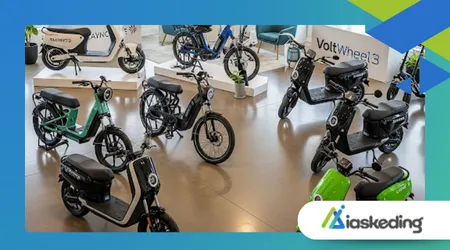
For most riders, a standard wall charger is the go-to option. They’re affordable, reliable, and widely compatible. But not all chargers are equal.
High-quality models, like those from Bosch or Shimano, include built-in safeguards. These adjust voltage dynamically, prevent overheating, and even stop charging once the battery hits optimal levels.
Pro tip: Many modern chargers now feature “storage mode,” keeping batteries at 50-60% if unused for weeks. This prevents degradation—ideal for seasonal riders.
++Are Electric Skateboards Legal in Your City?
Cost factor: While generic chargers may save $20 upfront, they often lack proper voltage regulation. A faulty charger can fry a $500 battery in months.
A Copenhagen commuter uses a smart timer plug to charge only during off-peak hours, cutting electricity costs by 30% without harming the battery.
Fast Charging Hubs: Convenience vs. Battery Health
Fast-charging stations promise an 80% boost in under 30 minutes—perfect for emergencies. But should you use them daily?
The answer depends on your battery chemistry. Most e-bike and scooter batteries can handle occasional fast charging, but frequent use accelerates wear.
Companies like Tesla and Gogoro mitigate this with liquid-cooled charging systems, but most public stations lack this tech.
++How E-Bike Infrastructure Is Evolving Worldwide
Trade-off: Fast charging is great for delivery riders who can’t afford downtime. But for casual commuters, slower overnight charging preserves battery health.
Emerging solution: Some European cities now offer “smart” fast chargers that analyze battery condition and adjust power delivery accordingly.
Solar Charging: The Off-Grid Lifesaver
For adventurers and eco-conscious riders, portable solar charging is gaining traction. Brands like BioLite and Goal Zero now offer foldable panels that can fully recharge an e-bike in 5-6 hours of sunlight.
Limitations: Cloudy weather and portability remain hurdles. But for camping trips or rural areas, solar is unbeatable.
Innovation spotlight: A Berlin startup installed solar-powered docks in parks, allowing free daytime charging while reducing grid strain.
Battery Swapping: The Instant Alternative
Why wait to charge when you can swap? Gogoro’s network in Taiwan lets riders exchange dead batteries for fresh ones in seconds.
Others are also reading: Complete Guide to Charging Electric Bikes: 5 Methods for Every Situation
Pros: Zero downtime, no degradation from fast charging.
Cons: Limited to cities with swap stations.
Future outlook: Honda plans to launch swap stations in major U.S. cities by 2026.
Wireless Charging: The Next Frontier
No cables, no fuss—just park and charge. Oslo is testing induction charging pads in bike lanes, a potential game-changer for fleets.
Current limitations: High cost and low efficiency (around 85% vs. 95% for wired).
Smart Charging Apps: Maximizing Efficiency
Apps like ChargePoint and JuiceNet optimize charging based on electricity rates, battery health, and even weather.
A Tokyo rider schedules charging for 3 AM when rates drop, saving $18/month.
Safety First: Avoiding Charging Hazards
Cheap chargers and damaged cables cause fires. Always use certified gear and avoid charging near flammable materials.
Final Verdict: Charge Smarter, Ride Longer – The Future of E-Mobility Power Solutions
As we navigate the evolving landscape of electric transportation in 2025, one truth remains constant: how you charge matters just as much as what you ride.
The Best Charging Options for Electric Bikes and Scooters aren’t just about convenience – they represent a fundamental shift in how we approach urban mobility and energy consumption.
The data doesn’t lie. Riders who adopt smart charging habits enjoy 30-40% longer battery lifespans according to recent IEA findings.
That translates to hundreds of dollars saved and thousands of extra miles ridden.
But beyond the financial benefits, there’s an environmental imperative – proper charging reduces battery waste and maximizes the sustainability promise of electric micro-mobility.
FAQs: Best Charging Options for Electric Bikes and Scooters
Q: Can I use a fast charger every day?
A: Occasionally is fine, but daily use degrades batteries faster.
Q: Is it bad to leave my e-bike plugged in overnight?
A: Modern chargers usually stop at 100%, but a smart plug adds extra safety.
Q: Are solar chargers worth it?
A: For off-grid use, yes. For daily commuting, stick to wall chargers.
