
Shore Power Upgrades Enable Cleaner Electric Transport Networks
Understanding how shore power upgrades enable cleaner electric transport networks marks a pivotal milestone in global efforts to decarbonize maritime trade, port operations, and coastal logistics systems.
Modern ports around the world are aggressively modernizing electrical grid connections to supply land-based electricity directly to docked commercial vessels, cruise liners, and cargo container ships.
Plugging docked ships into local electrical grids eliminates the need to run auxiliary diesel generators, slashing toxic greenhouse gas emissions and improving urban air quality near harbors.
Analyzing infrastructure investments, grid integration strategies, and regulatory frameworks demonstrates how maritime electrification transforms traditional port operations into sustainable, zero-emission transportation hubs worldwide.
What is shore power and how does it connect to electric transport networks?
Shore power, frequently referred to as cold ironing or alternative maritime power, connects moored ocean vessels directly to land-based electric power grids while berthed at harbor docks.
High-voltage flexible cables link shipboard electrical systems with onshore substations, providing continuous power for heating, cooling, lighting, refrigeration, and onboard operational machinery seamlessly without fuel combustion.
Integrating onshore substations into regional electric transport infrastructure allows port authorities to manage energy distribution dynamically across maritime berths, electric truck charging corridors, and rail yards.
This unified electrification framework ensures that clean renewable energy powers both marine vessels and land-based freight transport, establishing fully integrated zero-emission supply chains.
Why are port infrastructure modernizations essential for zero-emission shipping?
Ocean-going vessels traditionally burn heavy fuel oil or marine gas oil in auxiliary engines while docked to supply electricity for onboard equipment and crew quarters.
Eliminating auxiliary engine operations reduces sulfur dioxide, nitrogen oxides, particulate matter, and carbon dioxide emissions significantly within heavily populated coastal metropolitan regions near industrial ports.
| Port Modernization Parameter | Traditional Onboard Diesel Generation | Modernized Onshore Power Connection | Direct Environmental & Operational Benefit |
| Primary Fuel Source | Marine Gas Oil / Heavy Fuel Oil | Land-based Renewable Grid Electricity | Eliminates direct fossil fuel burning at berth |
| Dockside Carbon Emissions | High continuous CO2 release | Zero direct emissions at port berth | Accelerates net-zero maritime supply chains |
| Air Quality Impact | High particulate matter & NOx | Up to 95% local air pollutant reduction | Protects health of nearby coastal communities |
| Acoustic Noise Levels | Continuous heavy engine vibration | Silent electrical power transfer | Reduces underwater and urban noise pollution |
Comprehensive technical reports and maritime decarbonization standards are maintained by the International Maritime Organization, establishing global guidelines for cleaner shipping infrastructure.
Examining how shore power upgrades enable cleaner vessel operations reveals how high-capacity transformers convert grid electricity to match specific onboard voltage and frequency requirements effortlessly.
Automated cable management systems on modern berths allow crew members to establish high-voltage connections quickly, minimizing turnaround times for container ships and passenger ferries.
Combining dockside battery storage systems with renewable power generation stabilizes localized grid demand, preventing power surges during peak vessel berthing and battery recharging cycles.
How do electrical grid enhancements support heavy-duty port machinery?
Upgrading port substations provides the electrical capacity required to charge electric tugboats, yard tractors, automated guided vehicles, and drayage trucks alongside berthed commercial ships.
Smart microgrid management software balances power distribution across dockside charging stations, prioritizing vessel connections while regulating energy flow to mobile fleet battery chargers dynamically.
Incorporating solar arrays, wind turbines, and industrial energy storage units within port boundaries reduces dependence on external power grids during high-demand operational windows.
This holistic electrification strategy transforms maritime terminals into resilient clean energy hubs capable of supporting next-generation electric cargo vessels and electrified land logistics networks.
Which environmental regulations drive global adoption of onshore power?
International environmental mandates, such as the European Union’s FuelEU Maritime regulation, mandate onshore power connections for major container and passenger ports by 2030.
North American environmental agencies enforce strict dockside emission limits, compelling shipping lines to retrofit existing fleets with standardized high-voltage shore power connection interfaces.
Port authorities incentivize compliance by offering discounted harbor fees and priority berthing slots to carrier companies operating ships equipped for land-based electrical connectivity.
Strict regulatory timelines accelerate capital investments from both public infrastructure funds and private maritime operators seeking to maintain access to key global trade routes.
When will shore power connections become standard across international ports?

Major container terminals and cruise destinations across Europe, North America, and East Asia have already deployed operational high-voltage shore power infrastructure across key berths.
Expanding these electrical connections to regional feeder ports and secondary trade harbors remains a top priority for global logistics networks over the coming decade.
Read more: Energy Offshore Cable Bottlenecks Growing
Standardization of international coupling equipment and voltage conversion technology ensures that ships can connect seamlessly across different geographical continents without expensive custom adaptations.
Authoritative research on clean transportation policies and maritime environmental standards is published by the United States Environmental Protection Agency, offering open regulatory guidelines.
Demonstrating that shore power upgrades enable cleaner port logistics emphasizes the critical role of public-private partnerships in financing massive grid infrastructure modernizations globally.
Eliminating port emissions safeguards public health in neighboring urban communities while creating a sustainable foundation for fully electrified international trade and commerce networks.
What technical challenges must engineers overcome during installation?
Engineers must accommodate varying frequency standards, as many ocean-going vessels operate on sixty hertz while shore grids in many regions utilize fifty hertz power.
Deploying static frequency converters at port substations converts grid power to match vessel specifications perfectly, preventing electrical damage to sensitive shipboard navigation equipment.
Learn more: Offshore Cable Delays Slowing Renewable Energy Projects
Managing extreme electrical loads requires utility companies to reinforce regional transmission lines, ensuring that high-power vessel connections do not disrupt local municipal electricity grids.
Designing weather-resistant, corrosion-proof electrical coupling hardware ensures safe operation under harsh marine conditions, salt spray exposure, and severe coastal weather events.
Conclusion
Upgrading shore power infrastructure stands as one of the most effective strategies for eliminating dockside emissions and advancing sustainable electric transport networks worldwide.
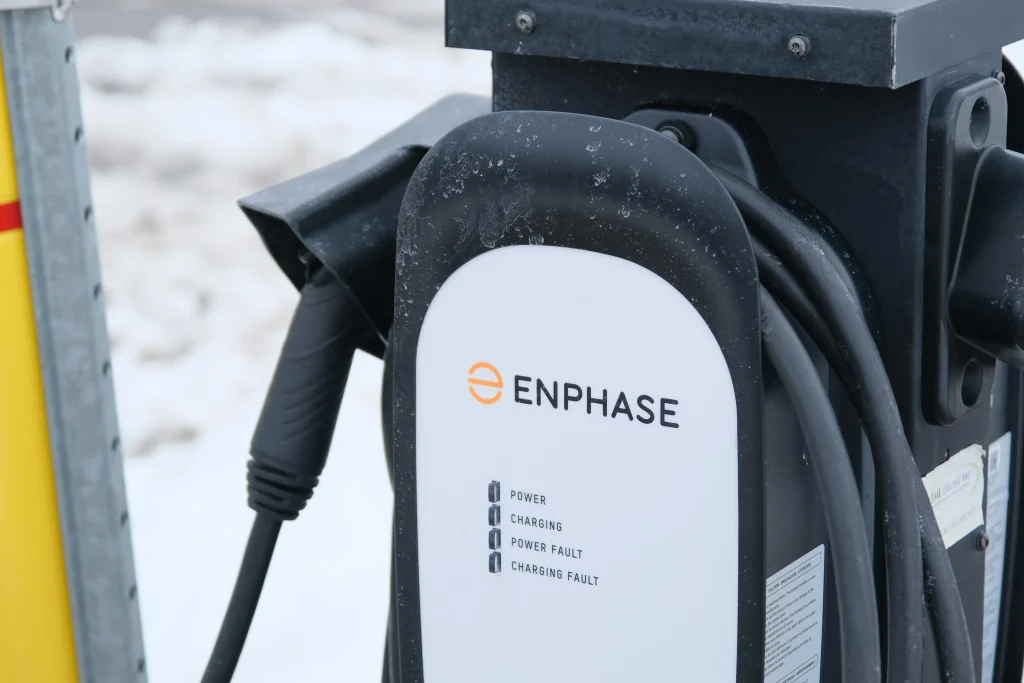
Connecting ocean vessels directly to land-based renewable energy grids protects coastal air quality, reduces industrial noise, and supports broader port fleet electrification efforts.
Continued international investment and regulatory alignment will ensure that clean, electrified maritime logistics serve as a cornerstone of global trade for decades ahead.
Learn more: Offshore Substations Modernizing Renewable Energy Networks
Frequently Asked Questions (FAQ)
Can all commercial ships connect to shore power facilities?
Most modern cruise ships, container vessels, and ferries can connect, while older vessels require retrofitting with standardized onboard electrical switchgear and cable connection boxes.
Does shore power completely shut down a ship’s engines?
Shore power shuts down main propulsion engines and auxiliary diesel generators, though emergency backup systems remain functional on standby for safety during unexpected dockside outages.
How long does it take to connect a ship to dockside power?
Equipped with modern automated cable management systems, trained port crews can complete high-voltage shore power connections safely within thirty to forty-five minutes of docking.
