
Solar Charging Depots Could Support Electric Transport Growth
Solar Charging Depots Could Support the rapid expansion of commercial zero-emission fleets while simultaneously alleviating severe operational pressure on urban electrical grids.
As logistics operators accelerate the transition away from fossil fuels, centralizing power generation directly at depot sites eliminates long interconnect wait times and lowers total operating expenses.
Integrating photovoltaic canopy arrays with localized stationary energy storage allows logistics managers to charge medium and heavy-duty vehicles cleanly without triggering excessive demand charges.
This off-grid and hybrid infrastructure model represents a critical strategy for fleet managers navigating modern grid constraints and stringent regional carbon compliance mandates.
What is a solar-powered EV charging depot?
A solar-powered charging depot combines large-scale photovoltaic canopy arrays, stationary battery energy storage systems (BESS), and high-power direct current (DC) fast chargers into a unified electrical ecosystem.
Built directly over fleet parking lots, maintenance hubs, or logistics terminals, these facilities generate clean electricity on-site to charge commercial trucks, vans, and transit buses.
Operating as microgrids, solar depots can run connected to the municipal utility or function independently when localized power grids experience outages.
Advanced energy management software continuously directs electricity between solar panels, storage batteries, and vehicle charging ports to maximize operational efficiency and maintain fleet readiness.
| Fleet Depot System Component | Technical Function in Depot Architecture | Primary Operational Benefit | Typical System Scale |
|---|---|---|---|
| Solar PV Canopy Arrays | Converts sunlight directly into DC electricity on-site | Eliminates daytime grid energy purchases | 250 kW to 2 MW+ rooftop/carport |
| Battery Energy Storage (BESS) | Captures surplus solar generation for evening dispatch | Mitigates peak demand charges and grid constraints | 500 kWh to 5 MWh containerized |
| DC Fast Charging Hubs | Delivers high-power charging to commercial vehicles | Minimizes vehicle dwell time during shift rotations | 150 kW to 350 kW+ per port |
| Microgrid Controller Software | Balances load generation, storage, and grid interaction | Optimizes dynamic electricity tariff schedules | Automated cloud-based platform |
How do solar depots resolve grid connection bottlenecks?
Securing high-capacity utility grid connections for commercial fleet electrification often requires multi-year delays and expensive transformer upgrades.
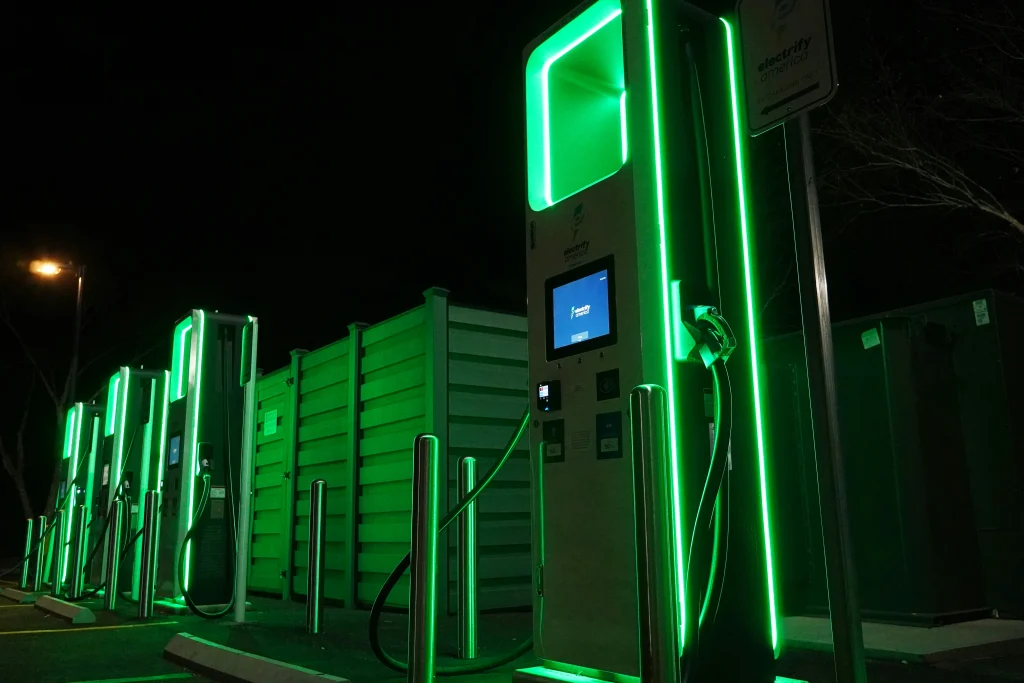
Local utilities frequently lack immediate capacity to supply multiple megawatts of power to single industrial sites, stalling commercial electric vehicle deployments worldwide.
Constructing localized solar generation paired with energy storage buffers the grid, allowing depots to draw baseline power steadily rather than creating massive demand spikes.
Technical research published by the National Renewable Energy Laboratory indicates that microgrid architectures reduce utility interconnect upgrade costs significantly while accelerating fleet deployment timelines.
Why are fleet operators switching to solar-assisted charging?
Reducing total cost of ownership remains the primary driver behind commercial fleet electrification, making localized power generation exceptionally attractive to logistical planners.
Utility electricity rates fluctuate throughout the day, subjecting fleets reliant on unbuffered grid power to extreme peak-demand pricing spikes during rapid midday or evening charging windows.
Learn more: Can Solar Panels Cover Your EV Charging Needs? A Case Study
Generating clean electricity directly overhead shields logistics operators from volatile energy prices while ensuring long-term operational cost predictability.
Solar Charging Depots Could Support long-haul freight operations by keeping fuel expenses stable, reducing dependency on fossil-fuel-heavy regional power plants, and meeting strict corporate sustainability goals.
When should commercial fleets invest in microgrid infrastructure?
Logistics fleets operating more than fifteen heavy-duty vehicles or thirty medium-duty delivery vans benefit immediately from investing in microgrid infrastructure.
Early deployment prevents operational halts caused by regional utility grid constraints when fleet managers expand their electric vehicle count across consecutive fiscal quarters.
Read more: Desert Solar Projects Reshaping Renewable Energy Markets
Site evaluations must assess physical canopy space, local daily solar irradiance, vehicle dwell times, and regional utility demand rate structures.
Guidelines provided by the International Energy Agency highlight that integrated solar and storage depots offer essential resilience against extreme weather events and centralized grid blackouts.
Which operational challenges must fleet managers address?
Installing high-capacity solar depots requires substantial upfront capital expenditure for structural canopy framing, lithium-ion storage BESS units, and high-voltage power electronics.
Fleet operators must navigate complex municipal zoning permits, structural engineering approvals for carports, and utility interconnection agreements before groundbreaking begins.
Learn more: Why We Need More Charging Stations for Electric Cars
Additionally, managing variable solar power production requires sophisticated energy management software to ensure vehicles receive adequate charge regardless of weather conditions.

Selecting scalable modular systems allows fleet operators to expand canopy generation capacity incrementally as additional electric vehicles join the active operational roster.
Establishing localized renewable generation creates a resilient, cost-effective foundation for zero-emission logistics, turning fleet parking areas into self-sustaining power plants.
Solar Charging Depots Could Support global transport electrification goals, providing the reliable high-power charging infrastructure necessary to keep commercial transport moving efficiently.
Frequently Asked Questions
Can solar depots charge commercial electric trucks entirely off-grid?
While solar canopies can charge light-duty vans off-grid, heavy-duty Class 8 trucks typically require hybrid systems combining solar, stationary storage, and grid connections.
How much space is required for a commercial fleet solar canopy?
A commercial solar canopy generally requires roughly 60 to 80 square feet of overhead space per kilowatt of installed solar capacity across parking bays.
What is the expected payback period for a fleet solar charging depot?
Depending on regional utility rates, incentives, and fleet utilization, payback periods for integrated solar charging depots typically range between five and eight years.
