
How Multi-Motor Configurations Improve Torque Distribution in Heavy-Duty Electric Trucks

Research shows Multi-Motor Configurations Improve Torque Distribution in heavy-duty electric trucks by allowing independent control over each wheel, drastically enhancing traction and stability.
As the global logistics industry pivots toward sustainability, the engineering behind Class 8 electric vehicles (EVs) is evolving rapidly.
Traditional single-motor drivetrains are being replaced by sophisticated multi-motor setups. This transition is not merely about power; it is about precision, efficiency, and safety.
In this article, we explore:
- The mechanics of independent wheel control.
- Energy efficiency gains through regenerative braking.
- How software optimizes power delivery in real-time.
- A comparison of dual versus quad-motor architectures.
What is the Role of Multi-Motor Systems in Heavy-Duty EVs?
Modern electric trucks utilize multiple permanent magnet synchronous motors to handle the immense weight of freight.
Unlike internal combustion engines, these systems eliminate the need for heavy mechanical differentials.
Each motor operates as a dedicated power source for a specific axle or wheel.
This decentralization allows for instantaneous adjustments to power output, which is crucial when navigating steep grades or slippery surfaces.
By removing traditional drive shafts, manufacturers reduce mechanical complexity and weight.
++What Happens to Electric Cars in a Blackout? Backup Strategies
This weight saving is redirected into battery capacity, effectively extending the operational range of the vehicle without compromising payload.
How Multi-Motor Configurations Improve Torque Distribution on Challenging Terrain?
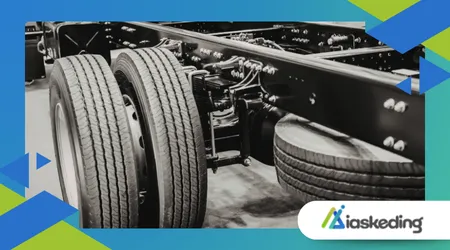
Precise torque vectoring is the primary reason why Multi-Motor Configurations Improve Torque Distribution so effectively in the latest 2025 truck models.
Software monitors wheel slip thousands of times per second.
When a sensor detects a loss of traction, the system shifts power to the wheels with the most grip. This happens significantly faster than any mechanical limited-slip differential could ever react.
For heavy-duty applications, this means fewer jackknife incidents and better control during downhill descents.
++Can You Charge Your EV in the Rain? Safety Facts Explained
The ability to apply negative torque independently also serves as a secondary, highly reliable braking mechanism.
Why Does Independent Power Control Increase Battery Efficiency?
Efficiency in electric trucking is measured by kilowatt-hours per mile.
Multi-motor systems allow for “motor shedding,” where certain motors are deactivated during highway cruising to minimize energy consumption.
When the truck requires peak performance for acceleration, all motors engage. Once at cruising speed, the system maintains velocity using only the most efficient motor mapping available at that moment.
Furthermore, multi-motor setups maximize regenerative braking energy capture.
Explore more: The Electrification Revolution: How Electric Trucks Are Impacting the Mining Industry
By using multiple motors as generators during deceleration, the system recovers more energy compared to a single-unit configuration, extending daily range.
Which Architecture is Best: Dual, Triple, or Quad-Motor?
The choice of architecture depends on the specific duty cycle of the vehicle. Long-haul trucks often favor dual-motor setups for a balance of cost-effectiveness and reliable highway performance.
Specialized vocational trucks, such as those used in construction or mining, benefit from quad-motor systems.
These provide the highest level of redundancy and the most granular control over torque distribution.
According to technical specifications from Tesla Semi Engineering, utilizing multiple independent motors ensures that even if one unit fails, the truck remains operational at reduced power.
Comparative Performance: Single vs. Multi-Motor Systems
| Feature | Single Motor System | Multi-Motor Configuration (2025) |
| Torque Precision | Mechanical/Delayed | Digital/Instantaneous |
| Drivetrain Redundancy | None | High (Fail-safe modes) |
| Weight Distribution | Front/Rear Heavy | Balanced/Low Center of Gravity |
| Energy Recovery | Standard Regen | Advanced Multi-Axle Regen |
| Maintenance | High (Mechanical parts) | Low (Fewer moving parts) |
What are the Maintenance Advantages of Decentralized Motors?
Maintenance managers prefer multi-motor designs because they simplify the drivetrain.
By eliminating the transmission and complex transfer cases, the number of potential failure points in the vehicle decreases.
++The Top 5 Electric Trucks for Urban Waste Collection
Technicians can often service or replace individual motor modules without dismantling the entire propulsion system.
This modularity reduces downtime, which is the most critical metric for any profitable fleet operation.
Modern telematics systems provide real-time health monitoring for each motor.
This allows for predictive maintenance, where components are replaced based on actual wear data rather than arbitrary mileage intervals.
How Does Torque Vectoring Enhance Driver Safety?
Safety is the ultimate beneficiary of advanced torque management.
Multi-motor trucks can execute “active yaw control,” which helps the driver maintain the intended path during emergency steering maneuvers.
By applying more torque to the outer wheels during a turn, the system helps rotate the massive vehicle more fluidly. This reduces driver fatigue and makes the truck feel more agile.
In extreme weather conditions like ice or heavy rain, the software ensures that no single wheel receives more power than the surface can handle.
This prevents the dangerous wheel-spin common in diesel trucks.
When Should Fleets Invest in Multi-Motor Technology?
The transition to multi-motor platforms should occur as fleets replace aging diesel assets. While the initial capital expenditure is higher, the total cost of ownership (TCO) is demonstrably lower over five years.
Current federal incentives and carbon credits often offset the price gap.
Additionally, the superior performance in “start-stop” urban environments makes these trucks ideal for last-mile delivery and regional haulage.
As charging infrastructure expands across the United States, the reliability of these high-performance drivetrains becomes the deciding factor.
Fleet operators are prioritizing the uptime that multi-motor configurations inherently provide.
Conclusion: The Future of Freight is Multi-Motor
The evidence is clear that Multi-Motor Configurations Improve Torque Distribution while providing unmatched safety and efficiency.
This technology represents the pinnacle of modern automotive engineering for heavy-duty transport.
By moving away from centralized power, the industry has unlocked new levels of performance that were previously impossible with internal combustion.
These trucks are smarter, safer, and significantly more sustainable.
For more technical insights on the evolution of electric drivetrains and power electronics, visit the Department of Energy (DOE) Vehicle Technologies Office.
FAQ: Frequently Asked Questions
Does having more motors decrease the overall reliability?
No, it actually increases reliability through redundancy. If one motor experiences a technical fault, the remaining motors can usually power the truck to a safe service location.
How much weight do multi-motor systems save?
By removing the transmission, drive shafts, and heavy differentials, a multi-motor system can save several hundred pounds, despite the added weight of the extra motor units themselves.
Can multi-motor trucks handle steep mountain passes?
Yes, they excel on grades. The ability to distribute torque across multiple axles prevents overheating and provides constant, smooth power delivery that traditional engines cannot match.
Is the software for torque distribution difficult to update?
Most modern electric trucks support over-the-air (OTA) updates. This allows manufacturers to improve torque distribution algorithms and efficiency remotely without requiring a physical shop visit.
