
What Happens to Electric Cars in a Blackout? Backup Strategies
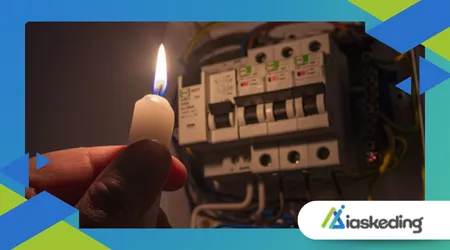
The question of What Happens to Electric Cars in a Blackout has shifted from a theoretical concern to a central topic of modern residential energy resilience and urban planning.
As of late 2025, the integration of bidirectional charging technology has transformed the electric vehicle from a simple consumer of energy into a vital mobile battery system.
While a traditional power outage once signaled a total loss of mobility and comfort, today’s EV landscape offers sophisticated backup strategies that can keep both your car and your household running during extended grid failures.
Executive Summary: Navigating Energy Instability
Understanding the relationship between EVs and the grid is essential for every modern homeowner. This guide explores:
- The impact of grid failures on standard and smart charging infrastructure.
- Advanced Vehicle-to-Home (V2H) and Vehicle-to-Load (V2L) technologies.
- Real-world data on how long an EV can sustain a household.
- Practical preparation steps for future-proofing your energy security.
How Does a Power Outage Impact Standard EV Charging?
When the grid goes dark, standard residential Level 1 and Level 2 chargers immediately cease operation.
These systems are designed with safety interlocks that prevent “islanding,” a condition where power flows back into the grid, potentially endangering utility workers.
Consequently, if you rely solely on a basic home setup, you cannot add range to your vehicle until the utility company restores service.
For most drivers in 2025, the primary risk is being caught with a low state of charge. If a blackout occurs at 2:00 AM while your car is at 20%, you may find yourself stranded.
++Dynamic Wireless Charging Lanes: Why Trucks Benefit More Than Cars or Bikes
However, the inherent efficiency of electric motors means that even a partially charged battery often contains enough energy to cover emergency trips or provide hours of climate-controlled shelter within the vehicle.
What Happens to Electric Cars in a Blackout With Bidirectional Tech?
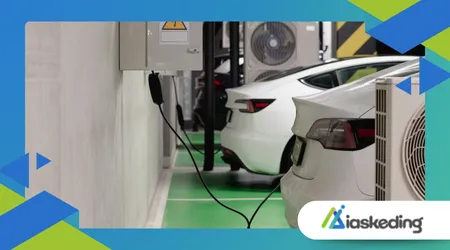
Modern vehicles are no longer passive recipients of electricity. Through bidirectional charging, specifically V2H (Vehicle-to-Home), your car becomes a massive backup generator.
In a typical 2025 scenario, an EV with an 80 kWh battery can power an average American home’s essential loads for several days, outperforming traditional home batteries like the Tesla Powerwall 3.
++The Truth About Towing With an Electric Car
This technology requires a compatible bidirectional charger and an automatic transfer switch.
When the system detects a grid failure, it disconnects the house from the utility lines and initiates a discharge from the car.
This provides a seamless transition, keeping refrigerators running, lights on, and medical equipment operational without the noise or emissions of a gasoline generator.
What Are the Differences Between V2L and V2H Strategies?
It is important to distinguish between “whole-home” backup and “localized” power.
Vehicle-to-Load (V2L) is a standard feature on many 2025 models, allowing users to plug appliances directly into the car’s outlets.
This is ideal for powering a microwave, a portable heater, or a laptop during a short-term outage without requiring expensive home electrical upgrades.
In contrast, V2H is an integrated infrastructure solution. It treats the vehicle as a primary energy source for the entire residence.
++Best EV Apps in for Charging, Navigation, and Efficiency
While V2L is perfect for “glamping” or minor emergencies, V2H is a professional-grade resilience strategy.
The choice depends on your budget, as V2H installations typically involve significant hardware costs and specialized electrical permits.
Comparative Energy Capacity: EV vs. Home Battery (2025 Data)
To understand the scale of EV backup potential, we must look at the energy density available in modern consumer vehicles compared to dedicated home storage solutions.
| Storage Solution | Typical Capacity (kWh) | Continuous Power (kW) | Backup Duration (Essential Loads) |
| Tesla Powerwall 3 | 13.5 kWh | 11.5 kW | 12–18 Hours |
| Standard EV (e.g., VW ID.4) | 77.0 kWh | 6.0 – 11.0 kW | 3–5 Days |
| Large EV (e.g., Ford F-150 Lightning) | 131.0 kWh | 9.6 kW | 7–10 Days |
| Portable Power Station | 2.0 kWh | 2.2 kW | 2–4 Hours |
Data based on average 2025 residential consumption of 29 kWh/day, reduced to 10-15 kWh/day during emergencies.
Which Public Charging Options Remain Functional?
During a regional blackout, not all public infrastructure remains offline. Many Tier 1 charging networks have begun integrating onsite battery storage and solar canopies.
These “microgrid” stations can operate independently of the primary grid, providing DC fast charging even when the surrounding city is in the dark.
Furthermore, critical infrastructure corridors often receive priority during power restoration.
If your home is without power, a 15-minute drive to a functional fast charger can replenish your vehicle, which you can then bring back to serve as a power source for your home.
This mobile nature of energy is a unique advantage of the electric ecosystem.
For more technical details on how modern grids are adapting to these challenges, you can consult the World Economic Forum’s latest report on grid flexibility and energy resilience.
Why Is Solar Integration the Ultimate Backup Plan?
The most robust strategy for answering What Happens to Electric Cars in a Blackout involves a “closed-loop” solar-plus-EV system.
When you pair rooftop solar panels with a bidirectional EV, you create a self-sustaining energy island. During the day, the sun charges the vehicle; at night, the vehicle powers the home.
This setup eliminates the “fueling” problem entirely. While gas stations require electricity to pump fuel, a solar-integrated home continues to generate energy indefinitely.
In 2025, smart energy management systems (HEMS) automatically prioritize loads, ensuring that the car maintains enough “buffer” for driving while sacrificing non-essential appliances like dishwashers or clothes dryers.
What Are the Top Preparation Steps for EV Owners?
Preparation is the difference between a minor inconvenience and a crisis. First, always maintain a “safety floor” for your battery.
During storm seasons or periods of high grid stress, keep your vehicle’s state of charge above 50%. This ensures you have enough range for an evacuation or multiple days of home backup.
Second, invest in a high-quality V2L adapter if your car supports it. This is the most cost-effective way to access your battery’s energy. Finally, ensure your home’s electrical panel is labeled clearly.
Knowing which breakers control the furnace fan or the refrigerator allows you to manage your car’s energy discharge efficiently and prolong your backup duration.
Conclusion: The New Era of Energy Autonomy
The narrative surrounding What Happens to Electric Cars in a Blackout has shifted from vulnerability to resilience. We have moved past the era where a power cut meant a dead car and a dark home.
Today, your vehicle is a sophisticated energy asset capable of sustaining your family for nearly a week.
By leveraging V2H technology, solar integration, and smart charging habits, EV owners now possess a level of energy autonomy that was once the exclusive domain of industrial facilities.
To explore specific vehicle models currently supporting these advanced bidirectional features, check the 2025 Bidirectional EV Guide by Zecar.
FAQ: Frequently Asked Questions
Can I charge my EV using a portable gasoline generator?
Yes, but it is inefficient and requires a “clean” sine wave inverter. Most portable generators lack the grounding necessary for EV chargers to initiate, often requiring a specialized grounding plug to function.
Will using my EV as a home backup ruin the battery?
Modern LFP (Lithium Iron Phosphate) batteries are rated for thousands of cycles. Using the battery for home backup occasionally has a negligible impact on long-term health compared to the wear and tear of daily driving.
How much does it cost to install a V2H system in 2025?
A full V2H setup, including a bidirectional charger and a home integration kit, typically costs between $4,000 and $7,000, excluding labor and any necessary electrical panel upgrades.
