
Electric Car LFP Battery Adoption Changing Market Prices
Observing how LFP Battery Adoption Changing Market Prices has reshaped the automotive landscape in 2026 provides a clear window into a future of truly affordable and sustainable transportation.
The shift away from high-cost nickel and cobalt toward lithium iron phosphate (LFP) chemistry represents one of the most aggressive pivots in industrial history.
For years, the primary barrier to electric vehicle (EV) ownership was the prohibitive cost of the battery, which often swallowed nearly half the vehicle’s price tag.
Now, that barrier is finally crumbling as manufacturers prioritize thermal stability and sheer durability over the vanity of extreme energy density.
This transition is not merely a technical update; it is a fundamental economic realignment. It influences everything from deep-sea mining investments to the stickers on showroom windows.
By understanding these shifts, consumers can finally navigate a market that is becoming accessible to more than just the early adopters.
What is driving the mass adoption of LFP batteries in 2026?
The real engine behind this change is the pursuit of a “true” mass-market electric vehicle that can go toe-to-toe with internal combustion engines on the initial purchase price.
Lithium iron phosphate batteries utilize iron and phosphorus, materials that are vastly more abundant and easier to dig up than the rare metals found in traditional NCM (Nickel Cobalt Manganese) cells.
Manufacturers realized that while NCM offers long, headline-grabbing ranges, the average daily commute rarely exceeds 40 miles.
Using nickel-based batteries for a grocery-getter is, frankly, expensive overkill. By choosing LFP, automakers can slash production costs by nearly 30% per kilowatt-hour.
This is not a theoretical saving; it is finally showing up in the monthly payments of average drivers.
This strategic pivot ensures that LFP Battery Adoption Changing Market Prices remains a permanent pillar of the global automotive economy.
How does LFP chemistry differ from traditional EV batteries?
To get a grip on the price shift, we need to look at the structural differences that make LFP both cheaper to build and significantly safer for a family car.
LFP batteries use a crystalline structure that is inherently more stable than the layered oxides found in nickel-rich chemistries. This reduces the risk of thermal runaway to almost zero.
Because of this stability, engineers can ditch the complex, heavy cooling systems and reinforced casings required by more volatile cells.
While LFP is heavier, meaning you get less range for the same weight, the ability to charge to 100% every single night without degrading the hardware is a massive practical win.
It is a trade-off: you lose a bit of maximum distance but gain a battery that won’t give up on you after five years of fast charging.
For a deeper technical analysis of how battery materials are sourced, the International Energy Agency (IEA) provides comprehensive reports on global mineral supplies and EV outlooks.
Why is the removal of cobalt essential for market stability?
Cobalt has long been the “blood diamond” of the battery world, plagued by volatile pricing and disturbing ethical questions regarding its extraction, primarily in the Congo.
By cutting cobalt out of the cathode, LFP technology bypasses these geopolitical headaches and creates a predictable cost structure for massive car factories.
This independence from volatile rare-earth markets allows companies to set pricing strategies that don’t fluctuate every time there is a mining strike or a trade war.
Consequently, the trend of LFP Battery Adoption Changing Market Prices has brought a much-needed stabilization to the second-hand EV market.
Buyers feel more confident in the longevity of these cobalt-free cells, and that confidence translates into better resale values and lower insurance premiums across the board.
Which market segments are benefiting most from this technology?
The entry-level “city car” and the commercial delivery van segments are the undeniable winners in this transition toward iron-based storage.
Fleet operators care about the total cost of ownership (TCO) above all else. The high cycle life of LFP batteries, often surviving over 3,000 full charges, makes them perfect for the “stop-and-go” abuse of a delivery route.
Read more: Carbon Footprint Gap Between LFP and NMC Batteries
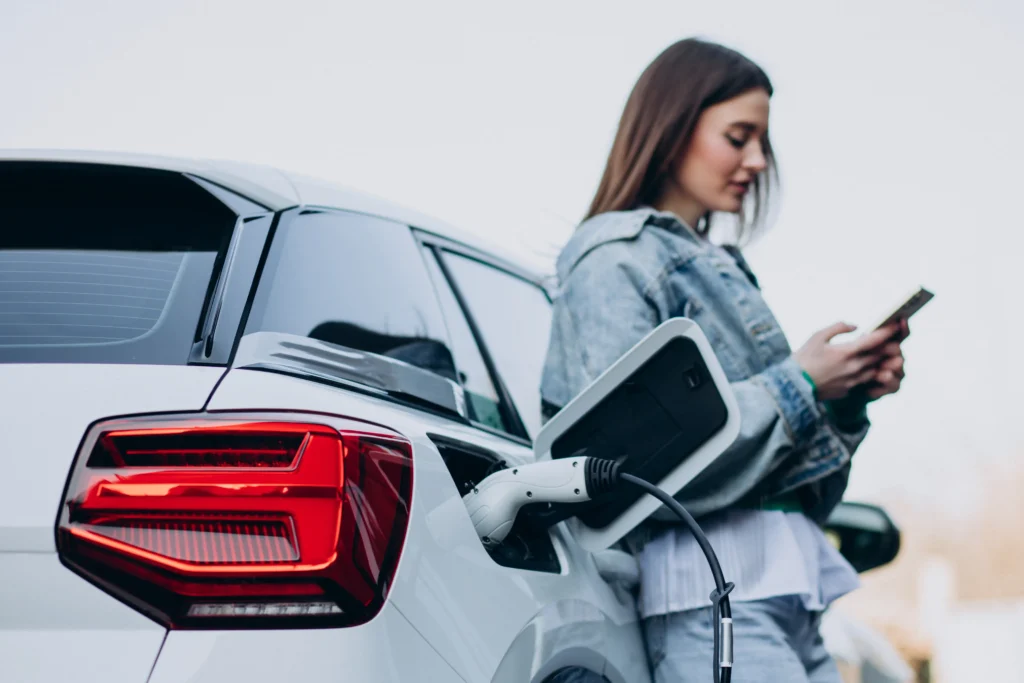
In the consumer space, we are seeing $25,000 electric hatchbacks with 200 miles of range, a price point that felt like a fantasy just a few years ago.
This democratization of tech is a direct result of scaling LFP production lines across Asia, Europe, and North America.
As these factories reach peak efficiency, the downward price trend continues, effectively bringing luxury-level engineering to the middle class.
LFP vs. NCM Battery Performance in 2026
The following table highlights the key metrics that determine why manufacturers choose specific chemistries for different parts of their lineup.
| Metric | LFP (Iron Phosphate) | NCM (Nickel Cobalt Manganese) |
| Average Cost per kWh | $70 – $85 | $110 – $130 |
| Cycle Life (Full Charges) | 3,000+ | 1,000 – 1,500 |
| Energy Density | Lower (160-190 Wh/kg) | Higher (250-300 Wh/kg) |
| Safety Profile | Extremely High Stability | High (Requires Active Cooling) |
| Optimal Usage | Daily Commuting / Fleets | Long-Range / Performance |
| Charging Habit | 100% Recommended | 80% Recommended for Longevity |
How does LFP adoption impact the global charging infrastructure?
The shift toward iron-based batteries is subtly changing how we build our charging networks, as these cars handle frequent “top-ups” much more gracefully.
Since LFP owners are encouraged to charge to 100%, there is less of that nagging “range anxiety” about battery health.
This leads to a more consistent, predictable load on the power grid. Grid operators are also eyeing these batteries for vehicle-to-grid (V2G) tech; their high cycle life means they can feed power back into your house without wearing out.
Learn more: Renewable Energy Sodium Batteries Challenging Lithium
The widespread LFP Battery Adoption Changing Market Prices is therefore not just about the car on your driveway.
It is about integrating that car into a smarter, more resilient energy ecosystem that benefits everyone, not just the driver.
What are the remaining challenges for LFP technology?
Despite the clear benefits, LFP batteries still face some friction, particularly when the temperature drops well below zero or when weight is a dealbreaker.
In sub-zero climates, the chemical reaction inside an LFP cell slows down more noticeably than in NCM cells.
This can lead to sluggish charging speeds during a winter cold snap. Manufacturers are solving this with clever pre-heating systems that use a sliver of energy to keep the battery in its “sweet spot.”
Learn more: Electric Car Depreciation: A Model-by-Model Breakdown
For heavy-duty long-haul trucks or high-performance supercars, the weight-to-power ratio of LFP still isn’t quite there yet.
However, manganese-enhanced versions (LMFP) are quickly closing this gap, promising more range without sacrificing the affordability that defines this movement.
The long-term environmental impact of iron-based batteries
From a sustainability standpoint, LFP is a clear winner. Iron and phosphate are far less damaging to refine and, more importantly, much easier to recycle.
The recycling industry for LFP is booming in 2026. The lack of toxic heavy metals makes these processing plants simpler and safer for the workers involved.
Reclaimed iron and lithium can be fed back into the production loop with almost zero loss in quality. This supports a circular economy that finally moves us away from our reliance on destructive new mining projects.
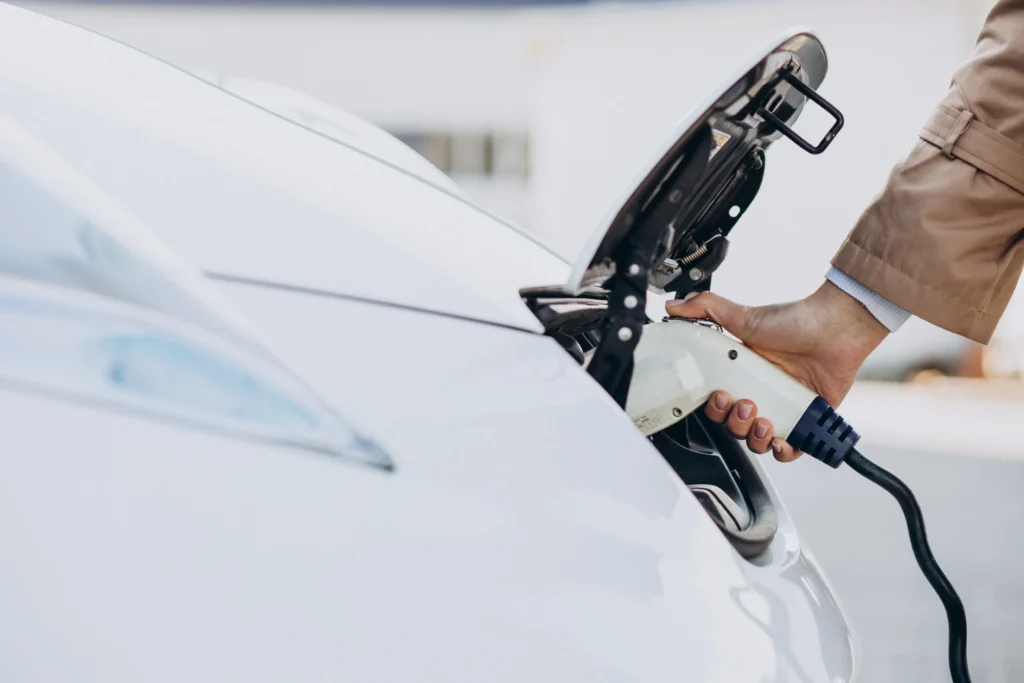
Choosing an LFP-powered vehicle has become a statement of both financial common sense and genuine environmental stewardship in a world that can no longer afford the alternatives.
For the latest updates on EV market share and pricing trends, BloombergNEF remains the gold standard for independent energy and transport research.
FAQ: Frequently Asked Questions
Does an LFP battery mean the car has less range?
Typically, yes, by about 10-15%. However, since you can charge it to 100% daily without damage, your “usable” range is often very similar to an NCM car.
Why are LFP batteries considered safer?
They have a much higher thermal runaway threshold. Basically, they are far less likely to catch fire even in the event of a high-impact collision or puncture.
Should I charge my LFP car to 100% every night?
Yes! Unlike other batteries that prefer staying between 20% and 80%, LFP batteries actually need that full charge to keep the car’s computer accurately calibrated.
Will the battery last as long as the car?
Probably longer. With a life of 3,000+ cycles, many LFP batteries could theoretically travel over 500,000 miles before they start to feel “tired.”
How do LFP cars perform in the snow?
They can be a bit slower to charge in the cold, but modern thermal management has mostly fixed the dramatic range losses seen in earlier EV generations.
