
How Wind Turbines Are Installed Step-by-Step
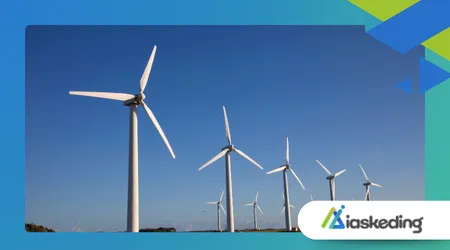
Understanding how wind turbines are installed demystifies their imposing presence and reveals a meticulous, balletic coordination of heavy machinery and skilled human endeavor.T
he silent giants that dot our landscapes, harvesting the invisible power of the wind, represent a triumph of modern engineering.
This intricate process is a testament to our collective drive for sustainable energy.
These monumental structures don’t simply materialize; their erection involves a carefully choreographed sequence.
From the initial groundwork to the final commissioning, every step is critical. We’re talking about components that weigh hundreds of tons, lifted hundreds of feet into the air.
The sheer scale of a wind turbine installation is staggering. Each phase demands precision and adherence to rigorous safety protocols. It’s a symphony of specialized equipment and expert crews working in unison.
Laying the Foundation: The Unseen Anchor
Before any tower sections arrive, the site undergoes extensive preparation. This involves careful surveying and geotechnical analysis to ensure stability.
A robust foundation is paramount, often requiring massive concrete pours.
++How Governments Are Regulating E-Scooter Sharing
This base distributes the immense weight of the turbine and withstands powerful wind loads. Think of it as the deepest roots of a mighty tree, anchoring it against any storm.
Without this solid footing, the entire structure would be compromised.
Transporting the Colossus: A Logistical Masterpiece
Moving turbine components to the site presents significant logistical challenges.
Blades alone can stretch over 80 meters, demanding specialized trailers and meticulously planned routes. Roads may need temporary modifications or even complete construction.
++What Is Net-Zero Energy and Why It Matters
Nacelles, housing the turbine’s generating components, also require custom transport solutions. This phase often involves police escorts and careful navigation around obstacles.
It’s a massive undertaking, akin to moving an entire factory across varied terrain.
Erecting the Tower: Segment by Segment
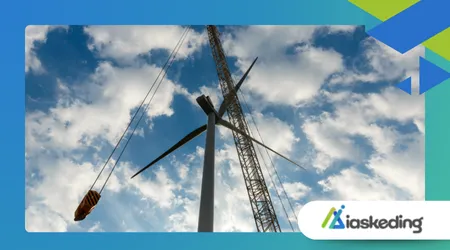
Once on site, the tower sections are lifted into place using colossal cranes.
These sections are typically conical steel tubes, designed for strength and stability. Each segment is precisely bolted and welded to the one below it.
++The Truth About Renewable Energy Costs
This process builds the tower skyward, piece by painstaking piece.
Highly experienced rigging teams guide each section into position, ensuring perfect alignment. It’s a vertical puzzle, where every connection must be flawless.
Hoisting the Nacelle: The Heart of the Turbine
With the tower complete, the nacelle is the next major component to be lifted.
This is the turbine’s brain and powerhouse, containing the gearbox, generator, and control systems. Its weight demands the largest cranes on site.
The nacelle is carefully maneuvered and bolted onto the top of the tower. This delicate operation requires calm nerves and exceptional skill. Imagine placing a bus-sized engine atop a skyscraper with pinpoint accuracy.
Attaching the Blades: The Final Touches
Finally, the colossal blades are attached to the rotor hub. This can be done on the ground before the hub is lifted or, more commonly, one blade at a time once the hub is atop the nacelle.
Each blade is hoisted individually and bolted into place.
Read more: How are Offshore wind turbines installed?
This is often the most visually dramatic part of the installation. The blades, once secured, complete the iconic silhouette of the wind turbine. They are the visible manifestation of the wind’s harnessed power.
Electrical Connection and Commissioning: Bringing It to Life
With all structural components in place, electrical engineers connect the turbine to the grid. This involves intricate wiring and comprehensive testing of all systems.
The turbine’s internal controls are configured and calibrated.
The commissioning phase involves a series of rigorous tests to ensure optimal performance and safety.
Technicians monitor vibration, power output, and system responses under varying wind conditions. Only after passing these tests is the turbine fully operational.
The Economics of Scale: A Growing Imperative
The increasing scale of wind turbines directly impacts their installation process.
Larger turbines, while more complex to install, offer significant economic advantages. They capture more wind, leading to higher energy output and lower per-unit electricity costs.
For example, a modern 15 MW offshore wind turbine can generate enough electricity to power over 15,000 homes annually.
This efficiency drives the push for ever-larger designs, further emphasizing the expertise required for how wind turbines are installed.
The evolution of these machines demands constant innovation in installation techniques and machinery.
Global Investment in Wind Power
The global commitment to renewable energy sources continues to accelerate.
According to a report by the International Energy Agency (IEA) in their 2024 “Renewables 2024” report, global renewable electricity capacity additions are set to continue their record-breaking expansion, with wind power playing a crucial role.
This sustained growth underscores the importance of efficient and safe wind turbine installation practices worldwide. The demand for skilled professionals in this field is also escalating.
| Component | Typical Weight (metric tons) | Typical Length/Height (meters) |
| Tower Section | 50-100+ | 20-40 |
| Nacelle | 80-200+ | 10-15 |
| Rotor Blade (each) | 15-40+ | 60-100+ |
| Foundation (concrete) | 1,000-5,000+ | N/A |
This table illustrates the massive scale of components involved when considering how wind turbines are installed. Each element demands specialized handling.
The Human Element: Expertise and Dedication
Beyond the impressive machinery, the human element is central to every installation. Engineers, riggers, crane operators, and electricians work in concert.
Their collective expertise ensures the safe and efficient completion of these complex projects.
Imagine a team of surgeons performing a delicate operation, but instead of a human body, it’s a colossal machine, and the operating room is hundreds of feet in the air.
This analogy captures the precision and teamwork involved. Their dedication to safety and quality is unwavering.
Overcoming Challenges: Innovation on the Horizon
Installing wind turbines, especially offshore, presents unique challenges.
Weather windows are critical, and specialized vessels and jack-up rigs are often required.
Research into new installation methods, such as modular construction and self-erecting cranes, continues to advance the field.
These innovations aim to reduce installation time and cost, making wind energy even more competitive.
The continuous drive to refine how wind turbines are installed is testament to the industry’s dynamism. Are we not witnessing a new era of engineering marvels?
The Future of Wind Energy: A Landscape Transformed
As the world transitions to a cleaner energy future, wind turbines will play an increasingly vital role.
Understanding the intricate process of their installation fosters appreciation for this complex technology. These silent giants are not just machines; they are symbols of our progress.
They represent a significant step towards a sustainable future, generating clean power for generations.
The journey from component parts to a fully operational wind farm is a testament to human ingenuity. It underscores our ability to harness nature’s power responsibly.
Conclusion: Powering Tomorrow, One Turbine at a Time
The detailed process of how wind turbines are installed is a remarkable feat of engineering, logistics, and human collaboration.
From the initial foundation to the final commissioning, each stage is executed with precision and expertise.
As we continue to expand our renewable energy infrastructure, the methods for installing these vital structures will only become more sophisticated and efficient.
The wind turbine stands as a powerful symbol of our commitment to a greener planet, quietly turning the winds of change into sustainable power for all.
Frequently Asked Questions
How long does it take to install a wind turbine?
The installation time for a single wind turbine can vary significantly, generally taking from a few days to several weeks, depending on the turbine’s size, weather conditions, terrain complexity, and the team’s experience. Entire wind farm projects, involving multiple turbines, take months or even years.
What are the main risks in wind turbine installation?
Key risks include adverse weather conditions (strong winds, lightning), working at height safety, handling extremely heavy components, mechanical failures of lifting equipment, and logistical challenges during transport. Rigorous safety protocols and training are essential to mitigate these risks.
Can wind turbines be installed on any type of terrain?
While wind turbines can be installed on various terrains, soil characteristics are crucial for foundation stability. Rocky or unstable ground may require more complex and expensive foundation methods. Areas with consistent winds and logistical access are preferred.
How is technology changing the installation process?
Technology is introducing more powerful and efficient cranes, automation tools for assembly, and simulation software that optimizes planning. Furthermore, research into modular installation methods and self-erecting turbines aims to reduce the time and cost of the process.
