
What to Know Before Buying Your First E-Motorcycle
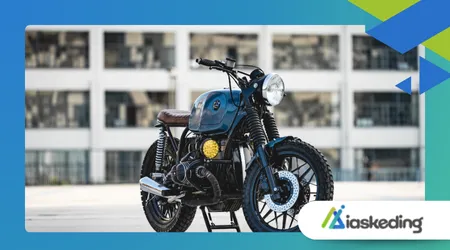
When buying your first e-motorcycle, a wave of innovation is sweeping through personal transportation.
Electric motorcycles offer a thrilling and sustainable alternative to traditional gasoline bikes. This guide explores crucial considerations before you make the leap.
This emerging market presents unique advantages. Reduced emissions are a significant draw, contributing to cleaner urban environments.
Furthermore, lower operating costs often appeal to budget-conscious riders.
However, informed decisions are paramount. Understanding the nuances of electric vehicles is key. You’ll navigate new terminology and performance metrics.
The transition requires a shift in perspective. Charging habits differ from fueling up at a gas station. Range anxiety can be a real concern for some.
Performance and Power: Understanding Your Ride
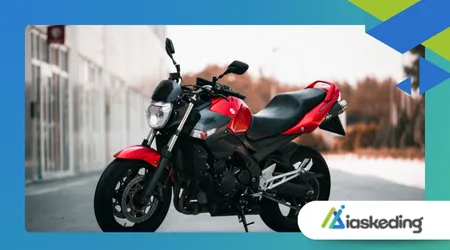
Electric motorcycles deliver instant torque. This characteristic translates into exhilarating acceleration. You’ll notice the difference immediately.
Power is measured in kilowatts (kW). This metric directly impacts the bike’s top speed. Higher kW means more raw power.
++How Wind Turbines Are Installed Step-by-Step
Consider your riding style. Do you crave highway speeds or prefer city commuting? Your choice influences the power needed.
Peak torque is another vital specification. It indicates the twisting force available. This directly affects responsiveness and pull.
Battery voltage also plays a role. Higher voltage often translates to greater efficiency. It contributes to overall performance.
++Can You Travel Long Distance with an Electric Motorcycle?
Remember, the feeling is different. Electric bikes are remarkably quiet. This can be a pleasant surprise.
Range and Charging Infrastructure: Going the Distance
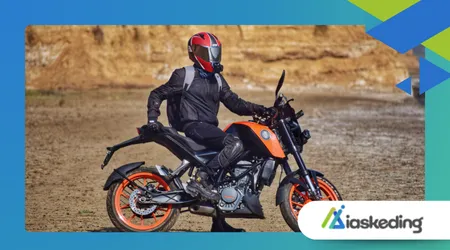
Range is perhaps the most critical factor. It dictates how far you can travel on a single charge. Don’t underestimate its importance.
Manufacturers provide estimated ranges. However, real-world conditions vary. Factors like speed and terrain impact mileage.
The Battery Management System (BMS) optimizes efficiency. It monitors cell health and regulates power. This extends battery life.
Charging options are diverse. Level 1 uses a standard home outlet. This is the slowest method.
++How to Charge an Electric Motorcycle at Home
Level 2 charging uses a 240-volt outlet. It significantly reduces charging times. Many homes can accommodate this.
DC fast charging is the quickest. These stations are less common. They offer rapid top-ups on the go.
Public charging networks are expanding. Apps like ChargePoint or Electrify America help locate stations. Planning routes becomes essential.
For example, imagine a rider commuting 50 miles daily. A bike with a 100-mile real-world range offers a comfortable buffer. Conversely, a 60-mile range might necessitate a mid-day charge.
Read more: The most common questions when buying an electric motorcycle: everything you need to know
Battery Technology and Longevity: The Heart of Your E-Motorcycle
The battery is the most expensive component. Its chemistry impacts performance and lifespan. Lithium-ion is currently dominant.
Look for warranties on battery packs. This provides peace of mind. A good warranty covers degradation over time.
Battery health degrades naturally. Cycles of charging and discharging contribute. Proper care extends its life.
Avoid extreme temperatures when storing. Both intense heat and cold are detrimental. They accelerate capacity loss.
Research from the National Renewable Energy Laboratory (NREL) in 2023 indicates that the average lifespan of an electric vehicle battery pack is around 10 to 12 years under normal usage conditions, though individual results vary.
Consider the battery’s energy density. Higher density means more power in a smaller package. This contributes to a lighter bike.
Battery swapping technology is emerging. Companies like Gogoro are pioneering this. It offers a quick alternative to charging.
Maintenance and Ownership Costs: A Different Equation
Electric motorcycles require less maintenance. There are no oil changes or spark plug replacements. This saves time and money.
Brake pads may last longer. Regenerative braking reduces wear. The motor assists in slowing down.
Tires remain a regular expense. They wear down like on any motorcycle. Plan for replacements.
Electricity costs are generally lower. Fueling up is far more expensive. This is a significant long-term saving.
However, initial purchase prices can be higher. This is the primary hurdle for some. Incentives can help offset this.
Government incentives vary by region. Tax credits or rebates may apply. Research local programs.
Insurance premiums might differ. Some insurers offer discounts for electric vehicles. It’s worth checking.
Think of it like owning a high-tech appliance versus a complex machine. The latter needs more constant attention, while the former simply does its job with minimal fuss.
Riding Experience and Ergonomics: Comfort and Control
Test rides are crucial. They provide a firsthand feel. You’ll experience the unique power delivery.
Assess the bike’s weight and balance. Electric motorcycles often have a lower center of gravity. This can improve handling.
Ergonomics are highly personal. Check the seat height and riding position. Ensure comfort for longer rides.
Control layouts might differ slightly. Familiarize yourself with new switches. Indicators for battery status are important.
The quietness can be startling. You’ll hear ambient sounds more clearly. This enhances the riding experience.
Vibration is significantly reduced. This leads to a smoother ride. Fatigue is often lessened.
Consider the bike’s purpose. Will it be a commuter, a weekend warrior, or both? Match the bike to your needs.
For example, a Zero SR/S offers a more upright, comfortable touring posture, whereas a LiveWire S2 Del Mar is designed for a more agile, sporty feel. Your body type and intended use will guide your choice.
Resale Value and Future-Proofing: Looking Ahead
The electric motorcycle market is evolving. Technology advances rapidly. This impacts future values.
Early adopters often face depreciation. Newer models offer improved features. This is a common pattern.
However, demand for used electrics is growing. As the market matures, values will stabilize. This is a positive trend.
Software updates are common. Manufacturers push over-the-air improvements. This keeps your bike current.
Consider the manufacturer’s reputation. A strong brand often retains value better. This is true for all vehicles.
Parts availability is important. Ensure long-term support. You don’t want a stranded bike.
Regulatory changes could impact future use. Stay informed about local laws. This protects your investment.
Table 1: Comparative Overview of E-Motorcycle Attributes
| Feature | Gasoline Motorcycle | Electric Motorcycle |
| Fuel/Energy Source | Gasoline | Electricity |
| Noise Level | High | Low |
| Emissions | High | Zero |
| Maintenance Needs | High | Low |
| Instant Torque | Variable | High |
| Charging Time | Minutes | Hours (or Minutes with DC Fast) |
| Initial Cost | Generally Lower | Generally Higher |
| Fuel Cost | High | Low |
Safety Features and Technology: Riding Smart
Modern electric bikes boast advanced safety. Anti-lock braking systems (ABS) are standard. Traction control enhances stability.
Connectivity features are common. GPS navigation is often integrated. Smartphone integration is increasingly vital.
Advanced Rider Assistance Systems (ARAS) are emerging. These include blind-spot monitoring. They enhance situational awareness.
LED lighting offers superior visibility. Daytime running lights improve safety. Be seen on the road.
Telematics systems can track your bike. This is useful for security. It can also provide riding data.
Does your current gasoline bike offer the same level of integrated tech? Probably not.
Consider connectivity for software updates. This ensures your bike remains cutting-edge. It adds value over time.
The Environmental Impact: A Greener Ride
Buying your first e-motorcycle significantly reduces your carbon footprint. Zero tailpipe emissions contribute to cleaner air. This benefits urban residents.
The electricity source matters. Renewable energy minimizes the overall impact. Support green grids when possible.
Battery recycling programs are expanding. Responsible disposal is crucial. Manufacturers are investing here.
The production process has an impact. However, the lifetime emissions are lower. This makes them a greener choice.
Embracing electric transport pushes innovation. It drives the transition to sustainable mobility. You’re part of the solution.
Conclusion: Making an Informed Decision
Buying your first e-motorcycle is an exciting venture. It’s a leap into the future of personal transport. Careful consideration ensures a rewarding experience.
Research extensively before committing. Understand the unique characteristics. Match the bike to your needs and lifestyle.
The market offers diverse options. From commuters to high-performance machines, a bike exists for everyone.
The benefits are clear: reduced emissions, lower operating costs, and a thrilling ride. Embrace the electric revolution.
Frequently Asked Questions
How long does it take to charge an electric motorcycle?
Charging time varies greatly depending on the type of charger and battery capacity. A Level 1 charger (standard household outlet) can take 8 to 12 hours for a full charge. A Level 2 charger (240V) can reduce this to 3 to 5 hours. DC fast charging (Level 3) can charge the battery from 0 to 80% in 30 to 60 minutes, depending on the model.
Are electric motorcycles more expensive than gasoline ones?
Generally, the initial cost of an electric motorcycle can be higher than that of a comparable gasoline model. However, maintenance and “fuel” (electricity) costs are significantly lower, which can offset the initial investment over time. Additionally, many governments offer tax incentives and subsidies for purchasing electric vehicles.
What is the lifespan of an electric motorcycle battery?
Most manufacturers offer battery warranties ranging from 5 to 8 years or a certain number of miles/kilometers. With advancements in battery technology, the actual lifespan is expected to be even longer, potentially reaching 10 years or more with proper care.
