
The Cost of Charging vs Fueling Non-Car EVs
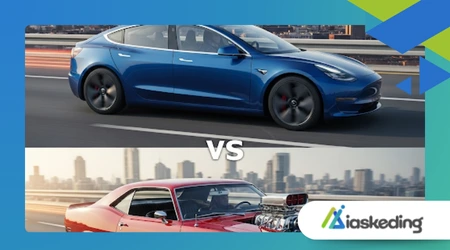
The cost of charging vs fueling non-car EVs is reshaping how we think about transportation beyond cars. Electric bikes, scooters, motorcycles, boats, and even small aircraft are entering the market, each with unique energy demands.
But which is truly cheaper—plugging in or filling up? The answer isn’t just about per-mile expenses. Charging infrastructure, battery lifespan, government incentives, and fluctuating energy prices all play critical roles.
As we move deeper into 2025, the debate intensifies. Gas prices remain volatile, while renewable energy adoption makes electricity costs more stable.
Yet, hidden factors like battery degradation and charging accessibility complicate the equation.
This guide dives into real-world comparisons, expert insights, and hard data to help you make an informed decision.
Breaking Down the Numbers: Electricity vs. Traditional Fuels
When comparing the cost of charging vs fueling, electricity almost always wins on a per-mile basis.
However, the real savings depend on usage patterns, local energy prices, and vehicle efficiency.
For example, a high-performance electric motorcycle like the Zero SR/S costs roughly $0.03 per mile to charge, while a comparable gas-powered bike like the Yamaha YZF-R1 averages $0.15 per mile. Over 10,000 miles, that’s a $1,200 difference.
But what about larger EVs? An electric delivery van, such as the BrightDrop Zevo 600, consumes about $0.10 per mile in electricity, while a diesel equivalent (like the Ford Transit) runs closer to $0.30 per mile. Fleet operators switching to EVs report 60% lower fuel costs annually.
Still, gasoline and diesel retain one advantage: energy density. A five-minute fill-up grants 300+ miles of range, whereas fast-charging an electric scooter to full can take 30-60 minutes. For commercial operators, downtime matters as much as cost.
The Hidden Costs: Battery Replacement and Depreciation
While charging is cheaper in the short term, battery degradation is the elephant in the room. Most lithium-ion batteries in e-bikes and scooters lose about 20% capacity after 500 full cycles, according to BloombergNEF’s 2025 report.
++Electric Car Depreciation: A Model-by-Model Breakdown
Replacing an e-bike battery typically costs $400-$800, while high-performance electric motorcycle batteries can exceed $3,000. Compare this to gas engines, which may need $1,000-$2,000 rebuilds after 50,000+ miles but often last decades with proper maintenance.
Resale value also favors gas-powered models currently. A 3-year-old gas scooter retains 60-70% of its value, while an equivalent e-scooter drops to 40-50% due to battery concerns.
Infrastructure: The Hidden Battle in EV Adoption
Charging an EV at home is convenient, but what happens on the road? Gas stations outnumber charging points 10 to 1 in most regions, according to the U.S. Department of Energy (2024).
Urban dwellers with private parking benefit most from EVs. But those in apartments or rural areas face hurdles. An electric dirt bike rider in Montana might struggle to find a fast charger, while gasoline is always at the nearest station.
++Charging an Electric Car: Everything You Need to Know About EV Charging Stations
Governments are investing heavily in charging networks. The Bipartisan Infrastructure Law allocated $7.5 billion for EV charging stations across the U.S. Yet, rollout delays and uneven distribution persist.
Meanwhile, gas stations are adapting. Some now offer EV charging alongside traditional pumps, hedging their bets as the market shifts.
Maintenance: The Silent Budget Killer
One of the strongest arguments for EVs is reduced maintenance. No oil changes, spark plugs, or transmission repairs mean fewer trips to the mechanic.
An electric scooter might need just brake pads and tires over five years, while a gas scooter requires regular tune-ups, belt replacements, and carburetor cleanings.
But batteries don’t last forever. Most lithium-ion packs in e-bikes and scooters degrade after 1,000-1,500 charge cycles, losing about 20% capacity. Replacement costs range from $500 to $2,000, depending on the model.
++E-Mopeds vs E-Bikes: Which One Should You Buy?
For larger EVs like electric boats, battery replacements can exceed $10,000. While fuel engines also wear out, rebuilds are often cheaper than a full battery swap.
Energy Prices & Policy: The Wild Cards
Electricity rates vary wildly by region. In states with heavy renewable investment (like Texas or California), off-peak charging can be incredibly cheap.
But in areas reliant on coal or natural gas, electricity costs more—sometimes erasing EV savings. The EIA’s 2025 report shows that residential electricity averages $0.14 per kWh, but ranges from $0.10 (Washington) to $0.28 (Hawaii).
Government incentives tip the scales further. The U.S. federal tax credit still offers up to $1,000 for e-bikes and $7,500 for commercial EVs. Some states add extra rebates, making EVs even more attractive.
Fossil fuels aren’t going quietly. Oil lobbyists push back against EV subsidies, arguing they distort the market. The debate rages on.
The Future of Charging: Wireless and Solar Innovations
Emerging technologies could further tilt the cost of charging vs fueling debate. Dynamic wireless charging roads, currently in testing in Michigan and Sweden, allow EVs to charge while moving.
Solar-integrated EVs are another game-changer. Lightyear’s solar-electric car achieves up to 40 miles of free daily range from sunlight. Similar tech is coming to e-bikes and boats, potentially eliminating charging costs entirely for some users.
These innovations promise to address range anxiety and infrastructure gaps, making EVs viable for more consumers.
Read more: U.S. Department of Energy – Alternative Fuel Station Counts
International Energy Agency – Global EV Outlook 2024
Final Verdict: Which Wins?
The cost of charging vs fueling leans heavily toward EVs for most users—especially daily commuters and urban dwellers. Lower per-mile costs, tax incentives, and reduced maintenance make them financially compelling.
But gasoline still holds advantages in range, refueling speed, and accessibility. For long-haul trips or off-grid use, gas-powered options remain practical.
As battery tech improves and charging networks expand, the gap will widen. The future is electric—but we’re not quite there yet.
FAQs: Common Questions Answered
Q: How much does it cost to charge an e-bike vs. a gas scooter?
A: Charging an e-bike costs about $0.05-$0.10 per charge (30-50 miles), while fueling a gas scooter runs $3-$5 for the same distance.
Q: Do electric boats save money compared to diesel?
A: Yes, but with caveats. Electric boats cost 50-70% less per mile in fuel, but battery replacements are expensive.
Q: Are EV charging stations becoming more common?
A: Yes, but unevenly. Urban areas see rapid growth, while rural regions lag behind.
Q: How long do EV batteries last in non-car vehicles?
A: Typically 3-8 years, depending on usage and maintenance.
Q: Will gas prices keep rising?
A: Likely. Geopolitical tensions and declining oil reserves suggest upward pressure.
