
The Decarbonization of Maritime Shipping: Electric vs. Ammonia-Powered Ships
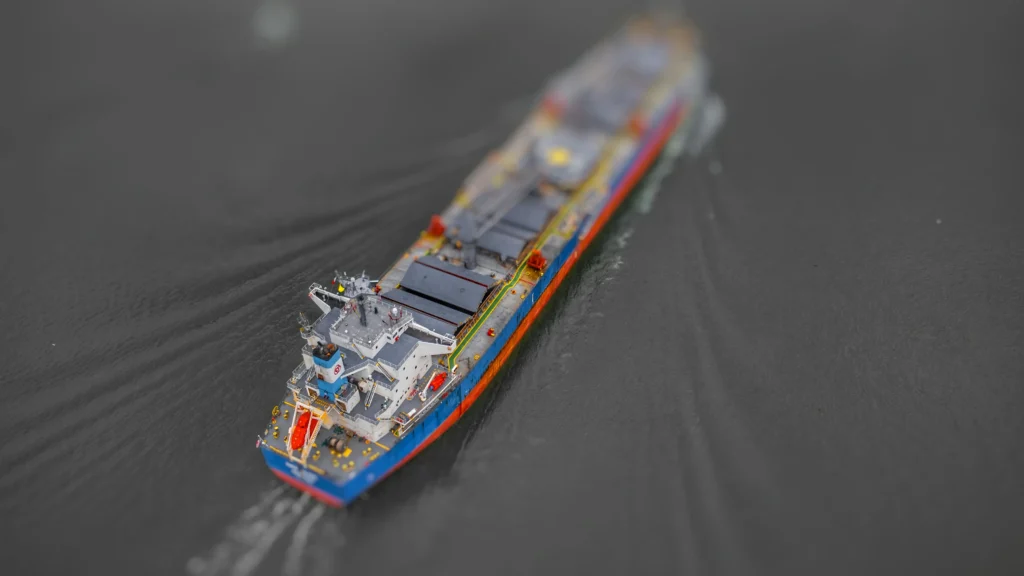
The Decarbonization of Maritime Shipping represents the most significant industrial pivot since the transition from sail to steam, fundamentally altering how global trade interacts with the planet.
In 2026, the maritime sector faces immense pressure from the International Maritime Organization (IMO) to slash greenhouse gas emissions, sparking a fierce technological rivalry between two frontrunners: electric propulsion and ammonia-based fuels.
While both promise a cleaner horizon, they cater to vastly different operational profiles.
This analysis explores the technical trade-offs, infrastructure gaps, and economic realities of these green pathways, helping you understand which technology will likely power regional ferries versus the massive transoceanic cargo vessels that sustain the global economy.
Why is the Decarbonization of Maritime Shipping Accelerating Now?
International shipping accounts for nearly 3% of global carbon emissions a figure that was set to skyrocket as trade expanded.
The Decarbonization of Maritime Shipping shifted from a voluntary “green” goal to a legal and financial necessity after the IMO set rigorous targets for reaching net-zero by 2050.
Financial institutions have also tightened the screws through the Poseidon Principles, linking ship financing directly to climate performance.
There is something unsettling about how long the industry relied on “bottom-of-the-barrel” heavy fuel oil, but that era is definitively closing in 2026.
Beyond regulatory pressure, cargo owners now demand green supply chains to meet their own ESG targets.
This market pull is forcing shipowners to choose: do they retrofit existing hulls or invest in radical new propulsion systems today? It is no longer a question of “if,” but of which fuel will dominate the next thirty years.
What are the Practical Advantages of Electric Ships?
Electric vessels utilize massive lithium-ion battery banks to drive electric motors, offering a silent and vibration-free solution for specific maritime niches.
For the Decarbonization of Maritime Shipping, batteries currently excel in short-range applications like urban ferries and tugboats.
The efficiency of electric motors is staggering, converting over 90% of stored energy into propulsion.
This compares favorably to the 40% efficiency of traditional internal combustion engines, which waste the majority of their energy as heat.
However, energy density remains a stubborn bottleneck for larger vessels.
To power a container ship across the Pacific, the batteries would displace nearly half the cargo space, making pure electric transoceanic travel commercially unviable with current technology.
For now, electricity is a local hero, not a global voyager.
How does Ammonia Solve the Long-Distance Challenge?
Ammonia (NH3) is a carbon-free molecule that can be burned in modified internal combustion engines or used in fuel cells.
It provides a credible answer to the Decarbonization of Maritime Shipping for large bulk carriers that travel thousands of miles without stopping.
Unlike hydrogen, ammonia does not require extreme cryogenic temperatures, making it easier to store in existing port infrastructure.
It remains liquid at -33°C, a temperature range already mastered by the global fertilizer transport fleet.
The primary hurdle is its toxicity. Strict “double-walled” piping and advanced leak detection are mandatory, as a single spill could be catastrophic for a ship’s crew.
For a technical deep dive into these evolving safety standards, the DNV Maritime provides rigorous classification rules that are currently shaping the next generation of ammonia-ready vessels.
Electric vs. Ammonia Propulsion (2026 Benchmarks)
| Feature | Battery-Electric | Green Ammonia (ICE) |
| Energy Density | ~0.25 kWh/kg | ~5.17 kWh/kg |
| Best Use Case | Ferries, Tugs, River Barges | Bulk Carriers, Large Tankers |
| CO2 Emissions | Zero (if grid is green) | Zero (well-to-wake) |
| Refueling Time | 30 mins – 4 hours | Comparable to Heavy Fuel Oil |
| Retrofit Potential | Low (requires redesign) | High (engine mods possible) |
| System Maturity | Commercialized (Short-range) | Pilot Phase / Early Adoption |
Which Technology Offers the Best Economic Value?
Deciding between these technologies requires a “Total Cost of Ownership” (TCO) analysis that accounts for more than just the price of a engine.
Electric ships have higher upfront costs due to battery prices but boast nearly zero engine maintenance and incredibly low energy costs.
Ammonia-powered ships are cheaper to build but face high operational costs because green ammonia, produced from renewable hydrogen, is currently expensive to manufacture.
Read more: Hydrogen vs. Electric: Future of non-automobile transport
This cost disparity is expected to narrow as global green hydrogen production scales throughout the late 2020s.
Governments are bridging this gap by implementing carbon taxes on traditional fuels, effectively subsidizing the Decarbonization of Maritime Shipping.
This policy shift might be unpopular with traditionalists, but it is the only way to level the playing field for clean technology in a profit-driven industry.
What Infrastructure is Needed for a Green Maritime Future?
A ship is only as clean as the port where it refuels. Port authorities are currently racing to install mega-watt charging stations and ammonia bunkering terminals.
Port electrification requires massive grid upgrades to prevent local blackouts during peak vessel charging sessions.
For ammonia, the challenge is building a “Green Corridor” a specific route where refueling is guaranteed at both ends.
Without these corridors, shipowners are hesitant to commit to ammonia-ready vessels, creating a classic “chicken and egg” dilemma that requires international cooperation to solve.
This infrastructure pivot also requires a massive retraining of the global maritime workforce.
Engineers who spent decades working with diesel must now master high-voltage systems and chemical handling. This shift is often maligned in the industry, but it is necessary for career longevity.
What are the Environmental Risks of Each Pathway?
While both fuels reduce carbon, they carry unique environmental baggage that we shouldn’t ignore.
Battery production involves intensive mining for lithium and cobalt, often in regions with questionable labor practices.
This “hidden” footprint is a valid criticism that the industry must address through better recycling.
Read more: The Environmental Impact of Traditional Energy vs Renewable
Ammonia combustion can produce nitrous oxides (NOx), which are potent greenhouse gases.
Modern ships must utilize Selective Catalytic Reduction (SCR) systems to neutralize these gases, adding complexity and weight to the engine room that many operators find frustrating.
To explore the latest data on maritime environmental impact and international policy, the International Maritime Organization offers comprehensive reports on greenhouse gas strategies.
These documents confirm that no single fuel is a “silver bullet” for every vessel type.
The Decarbonization of Maritime Shipping is not a choice between electric and ammonia, but a strategic alignment of technology with distance.
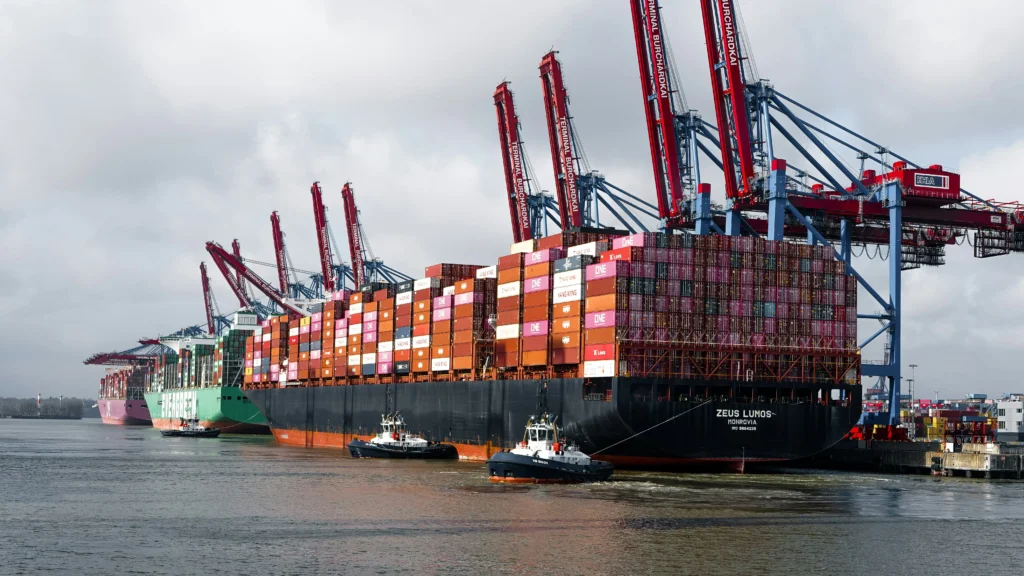
Electric power will dominate our coastal waters and rivers, providing clean air for port cities. Meanwhile, ammonia is the heavy lifter destined to move the world’s commodities across the deep ocean. Both require a radical rethink of safety, infrastructure, and economics.
As we navigate through 2026, the industry’s success depends on bold investment and a willingness to abandon the comfort of oil.
The path is complex, but the destination, a silent, soot-free horizon, is worth the struggle. We are witnessing the rebirth of the shipping industry into a tech-centric, planet-conscious powerhouse.
FAQ: Navigating the Future of Shipping
Can a container ship be 100% electric today?
Technically, yes, but commercially, it’s impossible. The weight of the batteries required for a transpacific voyage would leave almost no room for containers. Electric is currently restricted to routes under 100 miles.
Is ammonia flammable?
Ammonia has a narrow flammability range, making it relatively difficult to ignite. However, the primary safety concern for maritime use remains its high toxicity if inhaled by the crew.
How much more expensive is a green ship?
Initially, a green ship can cost 20% to 30% more than a diesel equivalent. However, carbon taxes and significantly lower maintenance costs are expected to close this gap by the end of the decade.
Will green shipping increase the price of consumer goods?
Estimates suggest that shipping a pair of sneakers on a zero-carbon vessel might add only a few cents to the final retail price. The cost of fuel is a small fraction of the total product value.
What is “Blue” Ammonia vs “Green” Ammonia?
Blue ammonia is made from fossil fuels with carbon capture, while Green ammonia is made using 100% renewable electricity. Green ammonia is the ultimate goal for a truly sustainable maritime industry.
