
Electric Transport Swap Battery Safety in Urban Housing
The discourse surrounding Swap Battery Safety in Urban Housing has evolved rapidly in 2026 as cities transition toward micro-mobility solutions to combat dense traffic and carbon emissions.
While battery swapping stations offer unparalleled convenience for electric two-wheelers, integrating these high-density energy hubs into residential zones requires rigorous technical standards and architectural foresight.
Ensuring the safety of residents while promoting sustainable transport is the primary challenge for urban developers and fire safety boards globally this year.
This article analyzes the current landscape of battery technology, the regulatory frameworks governing indoor installations, and the practical measures necessary to mitigate risks associated with thermal runaway.
What is the current standard for battery swapping security?
Modern infrastructure for electric transport relies on automated kiosks that monitor each cell’s health in real-time, significantly improving Swap Battery Safety in Urban Housing compared to older models.
These stations utilize advanced sensors to detect chemical leaks, moisture ingress, and irregular voltage patterns before a critical failure occurs.
In 2026, the industry has shifted toward standardized communication protocols, allowing different vehicle brands to use the same secure infrastructure safely.
This interoperability ensures that only certified, high-quality batteries enter the residential ecosystem, effectively filtering out degraded or tampered cells that pose significant fire hazards.
Furthermore, state-of-the-art swapping hubs now feature “isolation chambers” that can physically seal a compromised battery pack from the rest of the unit.
This mechanical barrier prevents the spread of heat and toxic fumes, providing an essential layer of protection for densely populated apartment complexes.
How do thermal management systems prevent residential hazards?
Temperature control is the cornerstone of safety, as lithium-ion cells are sensitive to external heat and internal resistance during rapid charging cycles.
Automated swapping stations employ active liquid cooling or high-velocity air systems to maintain an optimal thermal environment for every stored module.
Smart charging algorithms prioritize “gentle” cycles during off-peak hours, reducing the stress on the battery’s internal chemistry and extending its lifespan.
By avoiding the extreme heat generated by ultra-fast charging, these stations maintain the structural integrity of the cells, ensuring long-term reliability for the end-user.
According to technical briefs from the International Energy Agency (IEA), the global adoption of standardized safety metrics has reduced battery-related incidents in urban areas by over 40% since 2024.
These improvements stem directly from the integration of real-time monitoring and better thermal insulation materials.
Comparative Safety Features of Urban Swapping Stations (2026)
| Safety Feature | Functionality | Residential Impact | Required Standard |
| Aerosol Suppression | Rapidly cools and extinguishes lithium fires. | Prevents building damage. | UL 2736 |
| BMS Cloud Sync | Continuous health monitoring via 5G. | Predicts failures early. | ISO 26262 |
| Seismic Anchoring | Secures unit during ground movement. | Prevents mechanical crush. | IBC 2024 |
| Smart Ventilation | Exhausts toxic gases via dedicated flues. | Protects air quality. | NFPA 855 |
| IP67 Rating | Full protection against dust and water. | Prevents short circuits. | IEC 60529 |
Why is architectural placement vital for swap battery safety?
The physical location of a swapping kiosk within an urban housing project determines the effectiveness of emergency response efforts in a crisis.
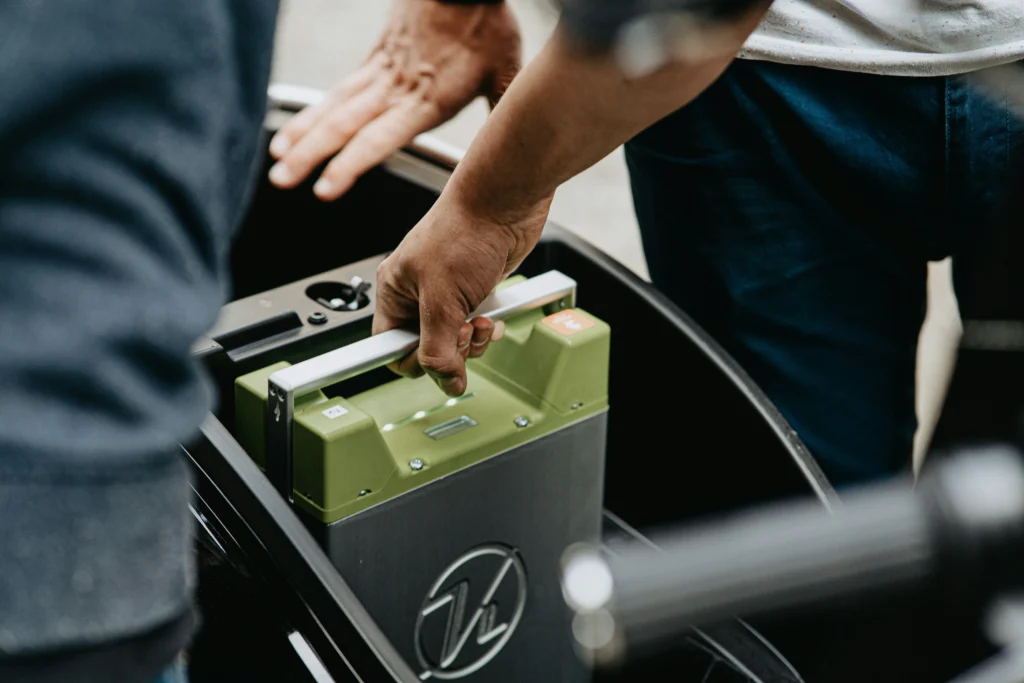
Experts recommend placing these units in open-air ground levels or specially ventilated “energy rooms” that are separate from primary residential exits.
Proactive urban planning ensures that Swap Battery Safety in Urban Housing is considered during the initial blueprint phase rather than as an afterthought.
Learn more: Electric Motorcycle Swappable Battery Network Limits
This includes installing non-combustible walls and dedicated drainage systems to manage the water used in traditional firefighting, should an unlikely ignition occur.
Modern building codes now mandate that these stations be placed at a specific distance from gas lines and electrical transformers.
By creating these “safety zones,” developers can offer the convenience of electric transport without compromising the structural or personal safety of the community.
Which regulations govern battery swapping in multi-family dwellings?
In 2026, the NFPA 855 standard serves as the global benchmark for the installation of stationary energy storage systems, including battery swapping infrastructure.
These regulations dictate the maximum energy density allowed per square meter and the specific fire ratings for surrounding materials.
Local municipalities in cities like London, Singapore, and New York have introduced even stricter “micro-mobility permits” for residential buildings.
Read more: Electric Transport Battery Swapping Scaling in Cities
These permits require building managers to undergo specialized training and maintain annual certifications for all on-site battery infrastructure to ensure ongoing compliance.
Insurance companies have also influenced the market by offering lower premiums to properties that utilize certified “Tier 1” swapping operators.
This financial incentive encourages housing associations to invest in high-quality systems that exceed the minimum legal requirements for fire prevention and containment.
When should homeowners associations upgrade their charging infrastructure?
Transitioning from individual “plug-in” charging to centralized swapping is often the safest move for older urban housing units with outdated electrical wiring.
Individual charging in small apartments often leads to overloaded circuits and unmonitored charging, which are significant contributors to residential fires.
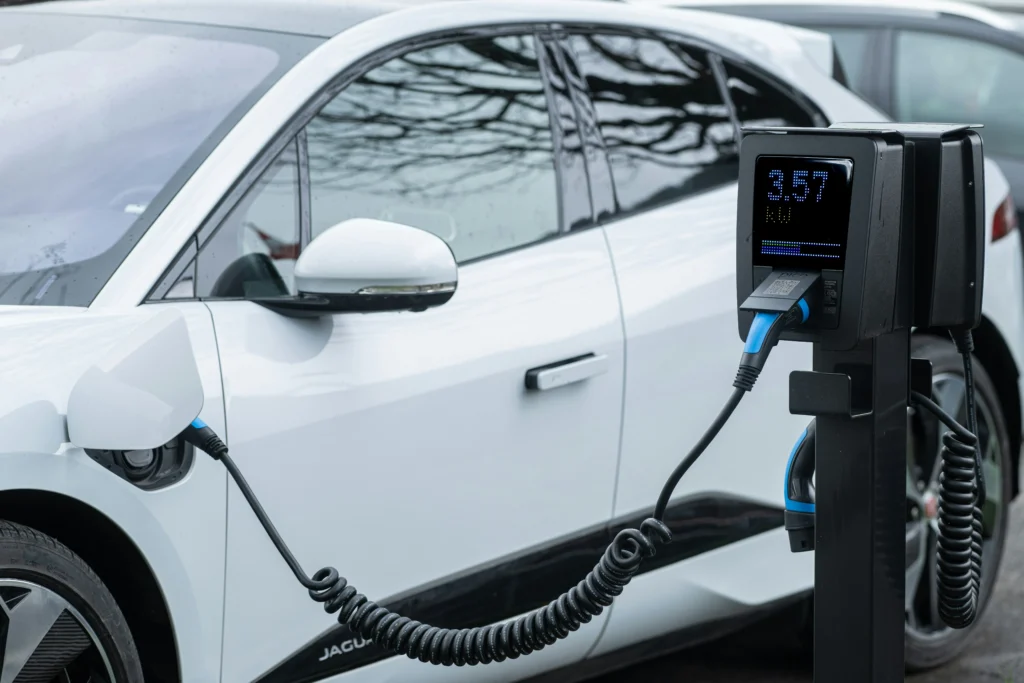
Centralized kiosks manage the load more effectively, distributing power based on the building’s current demand and ensuring that no single circuit is stressed.
Learn more: Community battery banks: the new model preventing blackouts in coastal regions
Upgrading to a professional swapping system allows for professional oversight of the entire energy cycle, significantly enhancing Swap Battery Safety in Urban Housing.
Building committees should evaluate their infrastructure every three years to keep pace with the rapid advancements in battery chemistry.
Moving toward newer “LFP” (Lithium Iron Phosphate) cells or solid-state options can further reduce risk, as these materials are inherently more stable under high-heat conditions.
FAQ: Safety and Logistics in Urban Housing
Are swapped batteries more prone to fire than those charged at home?
Actually, swapped batteries are generally safer because they are maintained by professional operators in controlled environments. Stations utilize sophisticated cooling and monitoring systems that the average home charger lacks, ensuring that any degraded or dangerous battery is removed from the loop immediately.
What happens if a battery starts to smoke inside the swapping kiosk?
Modern kiosks are equipped with internal sensors that trigger automatic fire suppression systems, such as condensed aerosols, which can extinguish a fire without water. Simultaneously, the system alerts the local fire department and the service operator via 5G, providing precise coordinates and diagnostic data.
Can swapping stations be installed in underground parking garages?
While possible, underground installation requires significantly higher investment in forced ventilation and fire-rated enclosures. Most 2026 urban safety codes prefer ground-level, semi-open installations to allow for natural gas dispersal and easier access for emergency vehicles if a thermal event occurs.
The successful integration of electric transport into our cities depends on our ability to manage energy density with intelligence and caution.
By prioritizing Swap Battery Safety in Urban Housing, we create a sustainable future where convenience does not come at the expense of our living environments.
The technological strides made in 2026 demonstrate that with the right combination of smart monitoring, architectural planning, and strict regulation, battery swapping is a secure and efficient solution for the modern urban dweller.
As we continue to refine these systems, the goal remains clear: to provide clean, accessible mobility that is as safe as it is innovative.
To explore the latest updates on lithium-ion safety research and urban transport policy, the National Fire Protection Association (NFPA) remains the definitive source for current codes and standards.
