
Electric Motorcycle Sodium Battery Cost Disruption
The Sodium Battery Cost Disruption is fundamentally altering the trajectory of the electric motorcycle industry in 2026.
It offers a much-needed escape from the volatile pricing and ethical entanglements of lithium-dependent supply chains.
As urban mobility demands affordable, resilient solutions, sodium-ion technology has emerged as the critical catalyst for mass adoption, particularly in the high-volume markets of Asia and Latin America.
What is the Sodium Battery Cost Disruption in 2026?
This shift refers to the massive drop in manufacturing overhead achieved by ditching expensive lithium and cobalt for abundant sodium salts.
By 2026, major manufacturers have scaled production lines to a point where electric motorcycle brands can slash battery pack costs by nearly 30% compared to traditional lithium chemistries.
The change isn’t just about shaving pennies off a bill; it is a structural pivot in how we power light vehicles.
There is something unsettling about our decade-long reliance on rare earth metals, but sodium-ion technology finally provides a pathway toward true energy democracy for the average commuter.
How does sodium-ion technology affect motorcycle pricing?
For the rider, the most tangible result is the arrival of electric motorcycles that finally go toe-to-toe with internal combustion engine (ICE) models on price.
Manufacturers no longer have to pass the “lithium tax” onto the buyer, allowing entry-level electric commuters to sit comfortably under the $2,000 threshold.
Lower raw material costs translate directly into cheaper replacement packs and lower insurance premiums.
This economic shift suele ser mal interpretado (is often misinterpreted) as a move toward “budget” or inferior quality, when it is actually a triumph of material science efficiency over scarcity-driven markets.
Why is sodium superior for urban electric motorcycles?
While lithium-ion still wears the crown for long-range performance, sodium-ion cells are the unsung heroes of the city.
They excel where temperature fluctuations and rapid, frequent charging are the norm.
Sodium batteries stay steady in sub-zero winters and offer a much lower risk of thermal runaway, which is a major win for safety in dense apartment parking.
Learn more: What Riders Discover After 90 Days Riding Only Electric Motorcycles
The sheer abundance of sodium ensures that this Sodium Battery Cost Disruption isn’t a temporary market fluke. It is a permanent baseline shift.
This allows manufacturers to plan long product cycles without the constant fear of a geopolitical squeeze on their primary energy components.
Sodium vs. Lithium (2026 Data)
| Specification | Sodium-Ion (Na-ion) | Lithium Iron Phosphate (LFP) | Lithium NCM |
| Material Cost ($/kWh) | $40 – $55 | $70 – $85 | $110 – $130 |
| Energy Density (Wh/kg) | 140 – 160 | 160 – 190 | 240 – 280 |
| Cycle Life (80% DoD) | 3,000+ | 4,000+ | 2,000+ |
| Charge Rate (0-80%) | 15 Minutes | 30 Minutes | 45 Minutes |
| Low Temp Performance | 90% at -20°C | 60% at -20°C | 80% at -20°C |
Which brands are leading the sodium battery transition?
Early movers in the two-wheeler space, particularly out of China and India, have already swapped lithium for salt in their flagship commuter scooters.
These brands realized that for a 50-mile daily trip, the slightly lower energy density of sodium is a negligible trade-off for a significantly lower monthly payment.
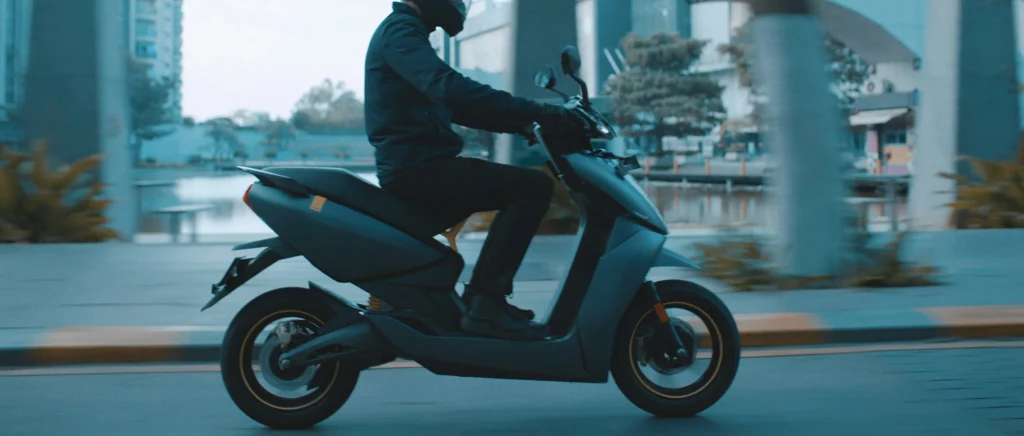
As we move through 2026, startups in Europe and North America are catching on, targeting the “urban explorer” niche with lightweight, salt-powered scramblers.
The Sodium Battery Cost Disruption is effectively forcing every major player to rethink their mid-range portfolio or risk being priced out of the suburban market.
For a deeper look into the global safety protocols for these new packs, the International Electrotechnical Commission (IEC) provides the necessary regulatory frameworks for 2026 storage systems.
When will sodium batteries reach peak market penetration?
Analysts suggest that by the end of 2027, sodium-ion will account for nearly 40% of all new electric two-wheeler sales.
The transition is moving faster than most expected because existing lithium production equipment can often be repurposed for sodium with only minor technical tweaks.
Read more: Renewable Energy Sodium Batteries Challenging Lithium
This modularity in production has accelerated the Sodium Battery Cost Disruption, bypassing the massive capital hurdles that usually kill off new chemistries.
We are witnessing a rare moment where environmental sustainability and aggressive corporate cost-cutting are perfectly aligned toward the same practical goal.
What are the performance trade-offs for riders?
You might notice that a sodium-powered bike is slightly heavier than a premium lithium equivalent with the same range.
However, this weight is usually positioned low in the frame, which can actually help with stability when you’re weaving through heavy city traffic.
Learn more: Electric Motorcycle Fast Charging vs Heat Tradeoffs
Most riders won’t even notice the weight, focusing instead on the fast-charge capability.
Sodium’s ability to handle high-current charging without frying the cell chemistry is its most underrated feature, allowing for a 15-minute top-up that covers your next twenty miles.
How the supply chain benefits from salt-based batteries
Since sodium is found almost everywhere, manufacturing is no longer tethered to a few specific mining districts.
This geographic diversity slashes the carbon footprint of shipping and protects the industry from localized labor strikes or political unrest that can paralyze lithium supplies.
The Sodium Battery Cost Disruption is essentially an insurance policy for the EV industry. It ensures that a “lithium crunch” won’t stall the transition to electric.

Every ton of salt processed for a battery is a step away from the high-stakes mineral race of the early 2020s.
The evolution of these power units proves that the future of mobility is about more than just being electric, it’s about being accessible.
To monitor the real-time pricing of battery-grade raw materials, consult the London Metal Exchange (LME) for updated commodity data.
FAQ: Frequently Asked Questions
1. Are sodium batteries heavier than lithium ones?
Yes. Sodium-ion has a lower energy density, so a pack for a 100-mile range will be about 15-20% heavier than a comparable lithium-ion battery.
2. Can I use a standard lithium charger for a sodium battery?
No. Sodium-ion cells have different voltage curves. You must use a charger specifically calibrated for sodium-ion to avoid damaging the cells.
3. Do sodium batteries catch fire as easily as lithium?
Sodium-ion is inherently more stable and less prone to thermal runaway, though they still require a robust Battery Management System (BMS) for safety.
4. How long do sodium batteries last?
In urban use, expect over 3,000 full charge cycles. For the average rider, this translates to roughly 8 to 10 years of service before you notice a significant drop in capacity.
5. Will sodium replace lithium in all electric vehicles?
Unlikely. Lithium will remain the standard for high-performance cars and long-haul trucks, but sodium is set to dominate the budget commuter and motorcycle sectors.
