
Renewable Energy Thermodynamic Solar Storage Comeback
The thermodynamic Solar Storage Comeback isn’t just a technical shift; it’s a necessary admission that chemical batteries alone can’t carry the weight of a heavy-industrial grid.
In 2026, we are seeing a massive resurgence of Concentrated Solar Power (CSP) paired with molten salt and sand-based storage.
It’s a move away from the limitations of short-cycle electrons toward the brute reliability of thermal inertia.
By decoupling energy generation from the immediate whims of the weather, these systems provide a baseload that actually rivals fossil fuel plants.
This isn’t just about “going green”, it’s about using the fundamental physics of heat to build a grid that doesn’t blink when the sun goes down.
What is the thermodynamic Solar Storage Comeback?
We are seeing a strategic pivot where heat is treated as the primary medium for energy preservation.
This comeback is defined by a new generation of CSP plants that focus sunlight onto a central receiver to heat a medium, usually salt or ceramic particles.
Unlike the early, somewhat clunky solar towers of the last decade, 2026 installations leverage supercritical carbon dioxide (sCO2) to squeeze more work out of every degree of temperature.
These improvements have transformed a once-expensive experiment into a bankable competitor for 24/7 power.
There is something inherently logical about using the sun to create heat for a turbine directly, rather than converting it to DC current first.
It bypasses layers of electrical conversion loss and taps into the same mechanical engineering that has powered our cities for over a century.
How does modern thermodynamic storage outperform lithium-ion?
Lithium-ion batteries are great for balancing a grid for an hour or two, but they face a steep “economic wall” when you try to push them to ten or twelve hours of storage.
Thermal systems don’t care about “cycles.” They don’t degrade after a few thousand uses, and they don’t lose capacity as they age.
By using abundant materials like salt or rocks, the thermodynamic Solar Storage Comeback offers a solution that is both geographically flexible and environmentally honest.
These systems can hold gigawatt-hours of energy for days with negligible thermal leakage. It’s basically a massive, high-tech thermos for the grid.
Crucially, these plants provide “synchronous inertia.”
Because they use spinning turbines, they help maintain the grid’s frequency, a stabilizing force that inverter-heavy solar and wind farms simply cannot provide without massive, expensive electronic workarounds.
For a deeper look at the technical standards and the global progress of these systems, the International Energy Agency (IEA) provides extensive reports on solar thermal roadmaps.
Their data highlights how thermal storage is becoming a cornerstone of net-zero strategies.
Why are utilities returning to CSP after the PV dominance?
For years, Photovoltaics (PV) was the king because it was cheap. But the “duck curve”, that frustrating gap where solar production drops just as evening demand spikes, forced a reckoning.
Utilities realized that a grid made entirely of PV and no storage is a recipe for instability and wasted energy.
This return to thermodynamics is a direct answer to market saturation.
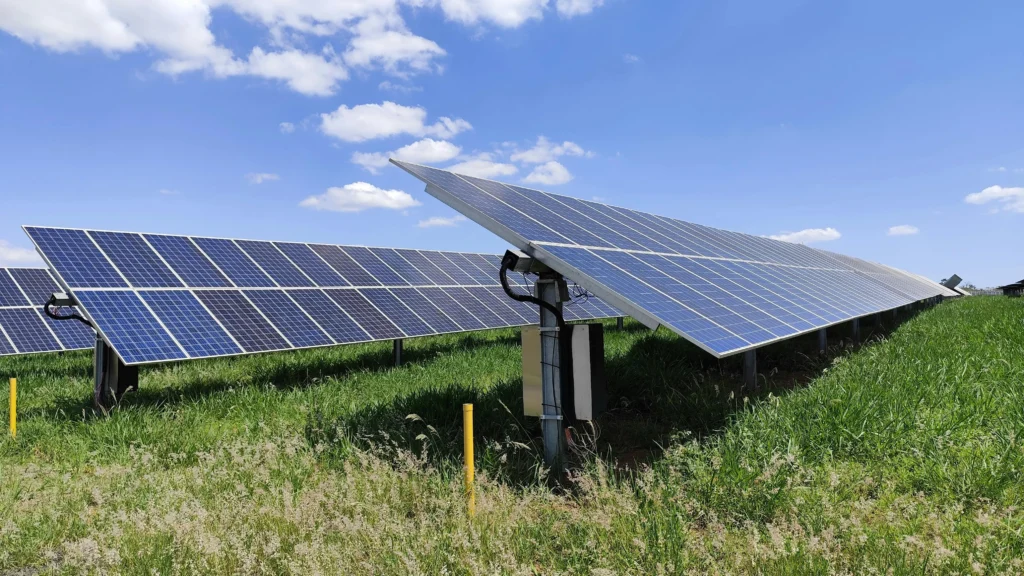
By integrating thermal storage, a plant can sell its electricity at 8:00 PM when prices are high and the sky is dark. It turns solar energy from a volatile commodity into a predictable, dispatchable asset.
It helps that the “complexity tax” of CSP is falling.
Modern software now manages thousands of heliostats with millimeter precision, keeping the receiver at peak temperature even when clouds pass over. The hardware is finally as smart as the physics.
Comparison of Energy Storage Technologies (2026)
| Storage Type | Duration | Lifecycle (Years) | Energy Density | Environmental Risk |
| Molten Salt (CSP) | 6 – 16 Hours | 30+ | High (Thermal) | Low (Non-toxic) |
| Lithium-Ion (LFP) | 1 – 4 Hours | 10 – 15 | High (Chemical) | Moderate (Mining) |
| Compressed Air | 8 – 24 Hours | 40+ | Moderate | Low (Geological) |
| Sand/Particle | 10 – 100 Hours | 30+ | High (Sensible) | Very Low |
| Flow Batteries | 4 – 10 Hours | 20+ | Low | Moderate (Chemicals) |
Which regions are leading the resurgence?
The “Sun Belt”, the Southwestern US, North Africa, and the Middle East, is the natural staging ground.
You need high direct normal irradiance (DNI) to make mirrors work effectively, and these regions have it in spades.
China is currently building massive “Renewable Energy Bases” that combine miles of PV with central CSP towers.
Read more: How to Choose the Right Solar Panel System
This hybrid approach uses the thermodynamic Solar Storage Comeback as the “anchor” for the entire region. It’s a blueprint for industrial-scale decarbonization.
In Europe, the focus is shifting to industrial process heat. Decarbonizing steel or cement requires intense heat that electricity struggles to deliver efficiently.
Concentrated solar thermal is becoming the go-to tool for heavy industries that can’t just plug into a standard battery.
What are the most common misconceptions about solar thermal?
Many people are still stuck on the expensive, failed projects of 2014. It’s a mistake to judge 2026 technology by those prototypes.
The industry has matured from “first-of-a-kind” gambles to standardized, modular infrastructure.
Another common myth is that thermal storage is “inefficient.”
While the round-trip efficiency is lower than a battery, the cost per kilowatt-hour of capacity is vastly cheaper when you’re talking about large scales. In the energy world, cost-per-hour usually beats percentage-efficiency.
Lastly, there’s the water issue. Older plants used a lot of it for cooling, but modern CSP has largely moved to “dry cooling” systems.
Learn more: Community battery banks: the new model preventing blackouts in coastal regions
This cuts water consumption by over 90%, making it possible to run these plants in the middle of a desert without draining local aquifers.
Impact on Grid Resilience
Resilience in 2026 is about supply chain independence. Because thermal plants rely on salt, steel, and glass, they aren’t held hostage by the volatile markets for rare-earth minerals.
You can build a thermal plant using commodities found almost anywhere.
Read more: Renewable Energy Grid Bottlenecks Slowing New Projects
This long-term perspective is vital. A CSP plant is a 30-year asset, offering a level of operational certainty that short-lived battery arrays can’t match.
We are seeing a marriage of old-world thermodynamics and modern digital controls that might be the most important engineering feat of the decade.
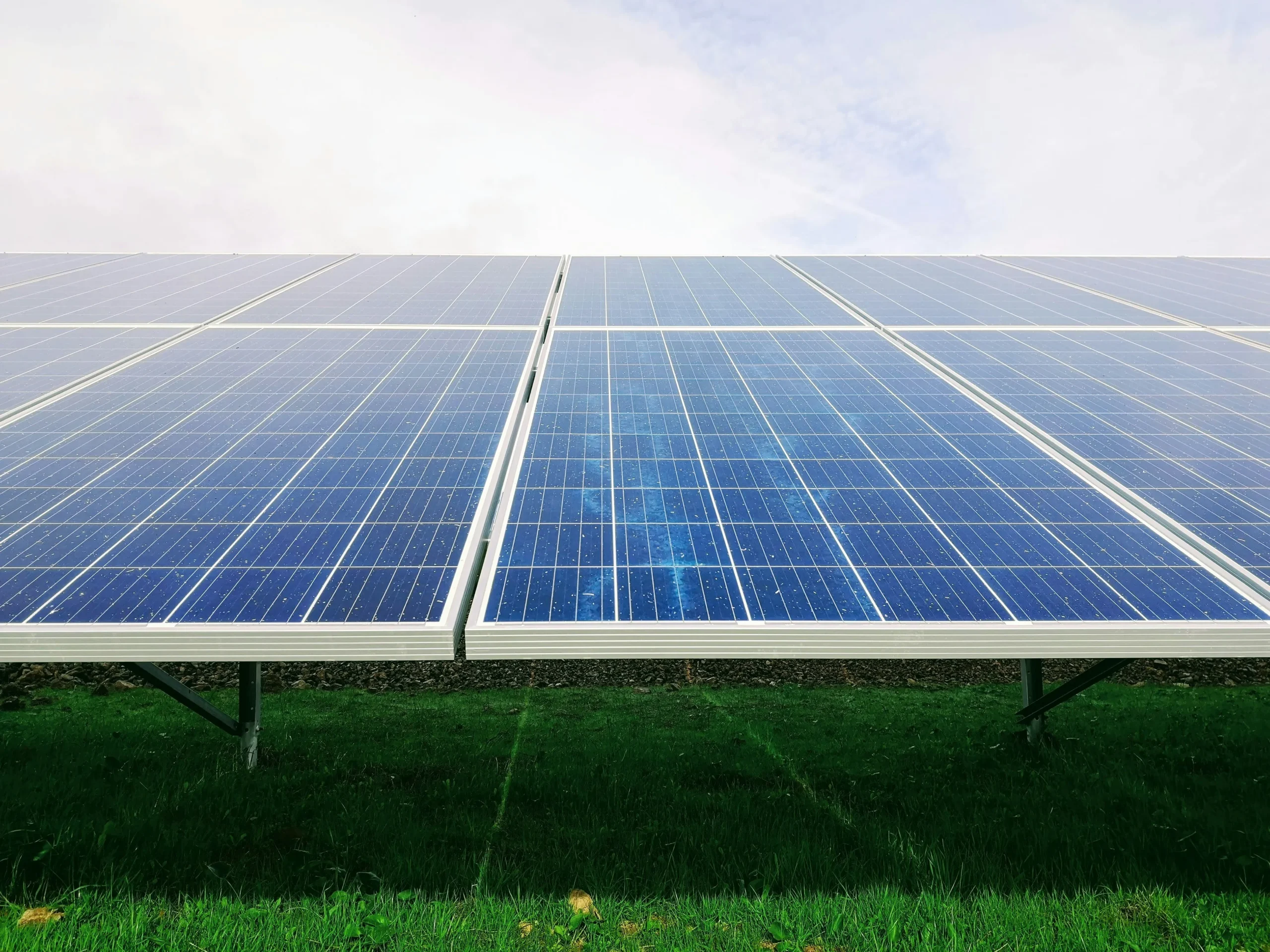
The evolution of solar energy has come full circle. We’ve moved from mechanical heat to electrical circuits, and now back to a sophisticated blend of both.
Heat storage isn’t a step backward; it’s the transition to a mature, stable renewable era. To keep pace with these innovations, visit the Solar Energy Industries Association (SEIA), the leading voice for the clean energy transition.
The path to a net-zero future is paved with thermal inertia, and we are only just beginning to tap into it.
FAQ: Frequently Asked Questions
Can thermodynamic storage work in cold climates?
While CSP needs direct sun to generate heat, the storage tanks themselves can be used anywhere. In Northern Europe, “thermal batteries” are being used to store excess wind power as heat for city-wide heating networks.
Is molten salt a toxic hazard?
Not at all. It’s typically a mixture of sodium and potassium nitrate—essentially the same stuff used in garden fertilizers. It’s non-toxic and easily recyclable at the end of the plant’s life.
How long can the heat actually stay hot?
Modern insulated tanks are incredible. They can keep salt at 565°C for days with less than a 1% temperature drop. It’s more than enough to bridge a few days of bad weather.
What is the “duck curve”?
It’s the imbalance where solar production is highest at noon, but people need the most power at 7 PM. Thermal solar fixes this by shifting that noon-day sun into the evening.
Does it take up too much land?
Heliostat fields do require space, but researchers are now experimenting with “agrivoltaics,” where sheep graze or specific crops grow under the mirrors, making the land twice as productive.
