
Renewable Energy Curtailment Losses Rising Worldwide
The reality of Curtailment Losses Rising Worldwide highlights a critical bottleneck in the global transition toward sustainable power grids and completely decarbonized electrical systems.
As wind and solar installation capacities expand faster than physical transmission infrastructure, grid operators frequently waste clean electricity to prevent dangerous grid overloads.
What is energy curtailment and why does it occur frequently?
Curtailment represents a deliberate reduction in the output of renewable energy generators by grid operators below the maximum amount of electricity those installations can physically produce.
This operational intervention occurs when local electricity generation vastly exceeds immediate consumer demand or outpaces the carrying capacity of regional transmission lines.
Because solar panels and wind turbines depend entirely on variable weather conditions, their peak production periods rarely align perfectly with daily industrial and residential consumption habits.
Without sufficient transmission infrastructure to transport excess power to distant urban centers, operators must disconnect green power plants to maintain system balance.
Why are grid bottlenecks accelerating clean energy waste globally?
Legacy transmission grids were architected for a centralized generation model powered by predictable fossil fuel facilities located relatively close to major industrial consumption hubs.
In contrast, modern utility-scale solar farms and massive wind developments require vast geographic footprints, placing them far away in remote rural or offshore regions.
This structural geographic mismatch ensures that Curtailment Losses Rising Worldwide directly reflect a severe underinvestment in high-voltage direct current cross-border transmission lines.
When a sunny day triggers massive regional solar generation, narrow regional power pathways clog instantly, forcing operators to discard completely free carbon-free electricity.
Compounding this problem, inflexible conventional power plants, such as older nuclear or coal facilities, cannot ramp their power output down quickly enough during production spikes.
Consequently, highly flexible wind and solar assets face the burden of mandatory disconnection orders, suppressing the true decarbonization potential of recent multi-billion-dollar investments.
Which international power markets suffer the most severe curtailment impacts?
The scale of discarded renewable electricity varies significantly depending on regional transmission capacities, regulatory frameworks, and the total penetration level of intermittent green assets.
Advanced energy markets operating with aggressive net-zero timelines experience the most acute operational friction as generation outpaces structural transmission modernization projects.
To evaluate how different regional power sectors manage these increasing integration challenges, examine the verified operational metrics presented in the following table:
| Power Market Region | Primary Generation Asset Affected | Average Annual Curtailment Rate | Primary Underlying Root Cause |
| California (CAISO) | Utility-Scale Solar Photovoltaic. | Exceeds 5% of total generation. | Extreme midday solar oversupply. |
| Mainland China | Remote Onshore Wind and Solar. | Varies by province (up to 8%). | Long distances to coastal cities. |
| Western Europe | Offshore and Onshore Wind. | Approaching 4% to 6% annually. | Cross-border bottlenecks. |
According to comprehensive technical energy reports published on the International Energy Agency platform, resolving these deep structural inefficiencies requires a massive tripling of global grid infrastructure investments.
How does utility-scale battery storage alleviate rising financial losses?
Integrating large-scale lithium-iron-phosphate or flow battery systems next to generation sites allows developers to capture excess electricity during peak production periods instead of facing shutdown orders.
This stored green energy then discharges smoothly back into the regional transmission network during evening hours when consumer demand peaks and market prices rebound.
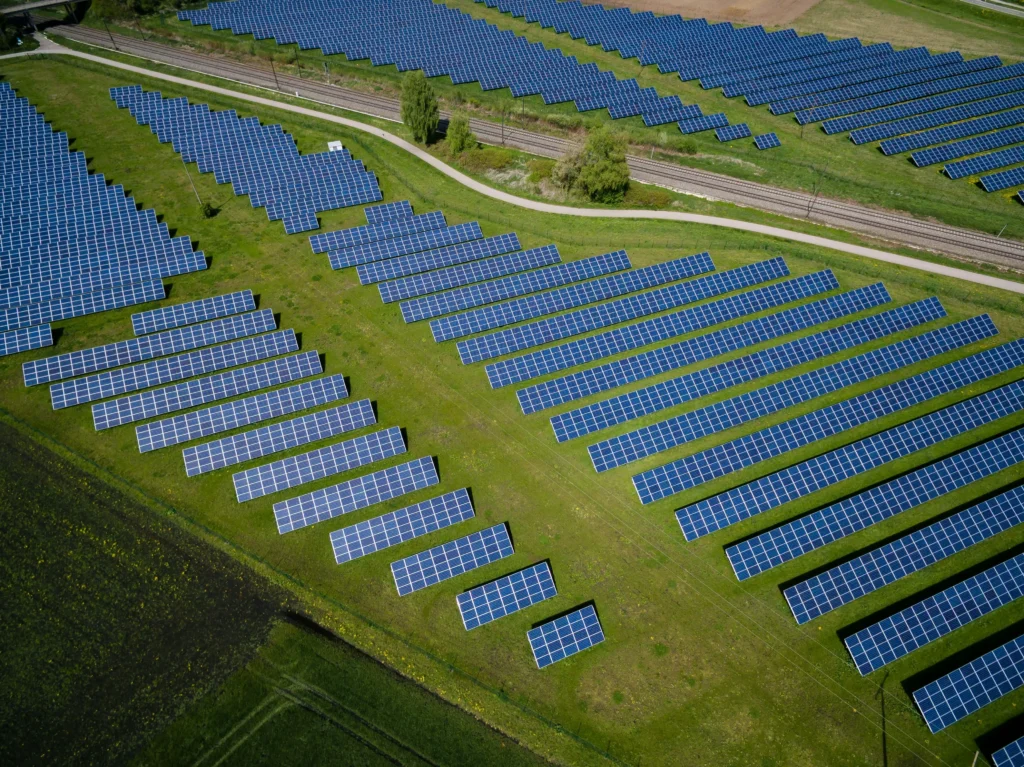
The trend of Curtailment Losses Rising Worldwide incentivizes independent power producers to invest heavily in co-located storage configurations to protect their long-term project revenues.
Learn more: Community battery banks: the new model preventing blackouts in coastal regions
Advanced software algorithms automatically predict upcoming curtailment windows, shifting asset operations from direct grid injection to internal battery charging cycles within milliseconds.
Furthermore, grid-scale batteries provide essential ancillary services, including rapid frequency regulation and voltage support, which enhances the overall stability of high-penetration renewable grids.
These technical capabilities reduce the operational anxieties of grid managers, allowing them to accept higher percentages of wind and solar power without risking blackouts.
What regulatory reforms can accelerate grid integration and minimize waste?
Mitigating energy waste requires a fundamental overhaul of wholesale electricity market rules, transitioning away from rigid legacy contracts toward highly dynamic, real-time pricing mechanisms.
Implementing negative pricing signals encourages industrial consumers to shift their heaviest operational loads, like green hydrogen production, directly into peak solar hours.
Read more: Renewable Energy Data Centers Reshaping Power Demand
Addressing Curtailment Losses Rising Worldwide also demands streamlined permitting processes for long-distance transmission corridors, which currently take over a decade to clear environmental reviews.
Regional authorities must cooperate on inter-state transmission planning to ensure surplus wind power from isolated plains reaches high-demand coastal metropolises efficiently.
To review detailed scientific analyses regarding global energy infrastructure transitions and power system resilience frameworks, explore the National Renewable Energy Laboratory repository.
Leveraging these validated engineering methodologies enables utilities to design highly adaptable transmission systems capable of supporting a completely carbon-free future.
The structural path toward zero-waste renewable power grids
The global escalation of discarded renewable energy serves as an urgent reminder that generating clean power is only half the battle of the green transition.
Learn more: Renewable Energy Power-to-X Scaling Beyond Pilots
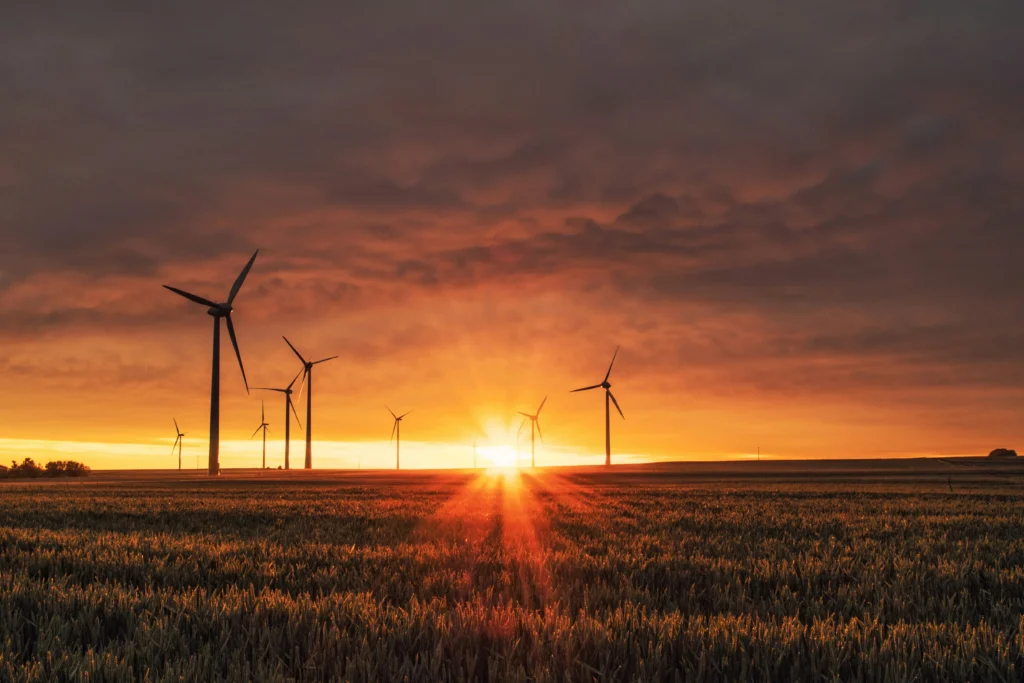
Modern economies must treat transmission grids and storage capacity with the same financial urgency traditionally reserved for building new solar and wind installations.
Overcoming these structural bottlenecks through aggressive capital investments and innovative market models will finally unlock the full economic and environmental potential of global green energy.
Frequently Asked Questions (FAQ)
Does energy curtailment cause permanent physical damage to wind turbines or solar panels?
No, curtailment is executed safely via software commands that adjust inverter settings or feather turbine blades, causing no mechanical or physical harm to the generating equipment.
How do negative electricity prices relate directly to renewable energy curtailment?
Negative prices occur when oversupply threatens grid stability, financially penalizing generators for producing power and encouraging them to curtail operations or pay buyers to take electricity.
Can green hydrogen production facilities help utilize excess renewable energy that would be curtailed?
Yes, co-locating electrolyzers with wind or solar farms allows operators to divert surplus electricity into hydrogen production, creating a valuable industrial fuel from otherwise wasted energy.
What is the average timeframe required to construct major high-voltage transmission lines?
While solar farms can be built in under two years, major inter-regional transmission lines frequently require 7 to 12 years due to complex multi-jurisdictional permitting and land acquisition.
