
Electric Motorcycle Fast Charging vs Heat Tradeoffs
The challenge of balancing Fast Charging vs Heat Tradeoffs represents the most significant technical hurdle for electric motorcycle manufacturers aiming for true long-distance capability in 2026.
As riders demand shorter pit stops, we are pushing the physical limits of lithium-ion chemistry to a breaking point.
Rapidly injecting energy into a battery pack generates internal resistance, which inevitably turns into thermal energy.
If this heat isn’t managed with surgical precision, it does more than just slow you down it eats away at the battery’s long-term health.
This guide explores the messy, high-stakes relationship between current, temperature, and longevity.
What is the relationship between charging speed and temperature?
When you plug into a DC fast charger, you aren’t just filling a tank; you are forcing a massive migration of lithium ions from the cathode to the anode.
This movement is anything but frictionless. The ions encounter resistance within the electrolyte and the separator, and thermodynamics dictates that this resistance manifests as heat.
Consequently, navigating Fast Charging vs Heat Tradeoffs is a constant battle against thermal byproduct.
If the temperature climbs beyond the optimal window, usually between 25°C and 45°C, the battery management system (BMS) has to step in, often aggressively, to prevent the kind of chemical scarring that ruins a pack.
How do modern motorcycles manage these thermal spikes?
Manufacturers are moving away from simple air-cooling, which often fails during high-output sessions, toward sophisticated liquid-cooling loops that look more like a high-end PC rig than a traditional bike.
Liquid cooling is far superior for maintaining stability in the Fast Charging vs Heat Tradeoffs struggle.
By circulating coolant through plates adjacent to the cells, the system wicks away heat much faster than ambient air ever could.
Interestingly, in 2026, we’re seeing “immersion cooling” move from prototypes to production submerging cells in non-conductive fluid to eliminate localized hotspots that could otherwise lead to thermal runaway.
Why does your charging speed slow down after 80%?
It’s a common frustration: your bike charges like a rocket until it hits 80%, then suddenly feels like it’s dragging an anchor.
This plateau is a direct result of managing Fast Charging vs Heat Tradeoffs. As the battery reaches a higher state of charge, it becomes physically harder to “stuff” more ions into the already-crowded anode.
This increased resistance generates even more heat per unit of energy stored.
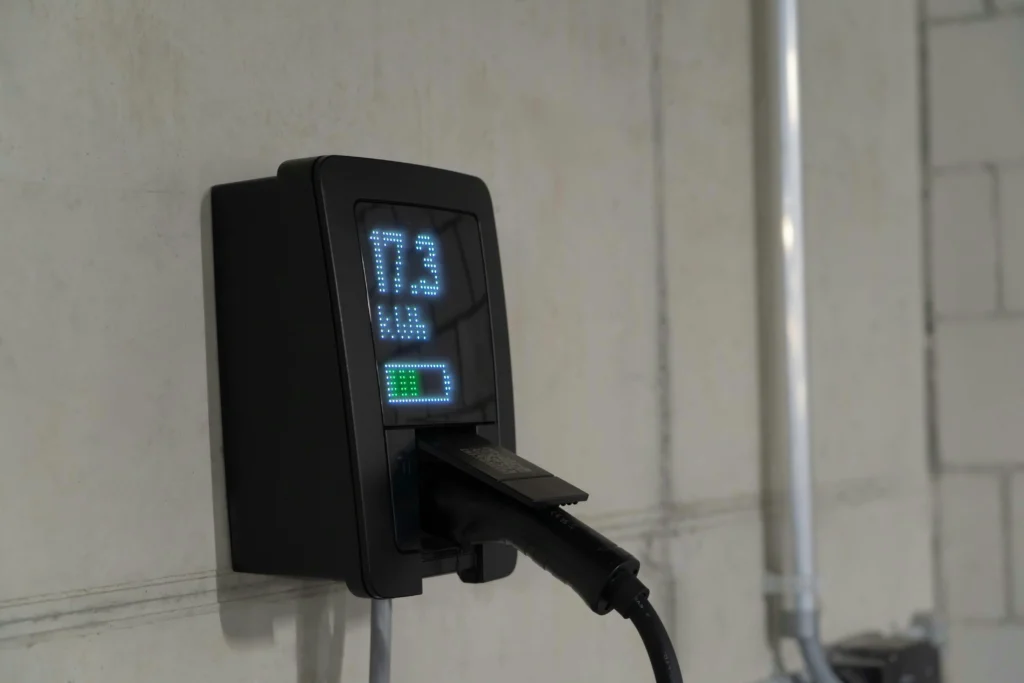
To keep things from melting down, the BMS throttles the wattage, giving the cooling system a chance to catch its breath and stabilize the internal chemistry.
For a deeper look into the standards governing these high-voltage architectures, the Society of Automotive Engineers (SAE International) remains the gold standard for technical benchmarks.
Which battery chemistries handle rapid charging best?
Not all batteries are created equal, and the choice between Nickel Manganese Cobalt (NMC) and Lithium Iron Phosphate (LFP) involves a serious compromise in performance versus durability.
LFP batteries are generally more stable and can handle the heat of fast charging without flinching, but they are heavy and offer less range.
Read more: Electric Motorcycle Swappable Battery Network Limits
On the other hand, NMC packs give us the range we crave but require much more aggressive cooling during the Fast Charging vs Heat Tradeoffs.
By 2026, the industry is leaning heavily toward silicon-anode cells, which promise the “holy grail” of higher energy density with slightly less thermal friction than traditional graphite.
Comparing Charging Standards and Thermal Performance
The table below outlines the thermal demands placed on a 15 kWh motorcycle battery across different charging levels common in the 2026 landscape.
| Charging Level | Power Output | Typical 20-80% Time | Thermal Management Requirement |
| Level 1 (AC) | 1.4 kW | 8 – 10 Hours | Passive / Air Cooled |
| Level 2 (AC) | 7.0 kW | 2 – 3 Hours | Light Liquid Cooling |
| DC Fast Charge | 25 kW | 30 – 40 Minutes | Active Liquid Cooling |
| Ultra Fast DC | 50+ kW | 15 – 20 Minutes | Advanced Immersion / Chillers |
How does ambient weather affect your charging performance?
The environment is a silent player in the Fast Charging vs Heat Tradeoffs drama. On a 35°C summer day, your cooling system is already fighting an uphill battle.
When the “delta”, the temperature difference between your battery and the outside air, is small, dumping heat becomes incredibly difficult.
Learn more: Electric Motorcycles in Extreme Conditions: Cold Weather, Off-road, Long Distances
You’ll notice that your DC fast charging speeds might be significantly lower than the brochure promised.
It’s not a defect; it’s the BMS prioritizing the long-term survival of the cells over your desire to get back on the road five minutes earlier.
The long-term consequences of frequent fast charging
While the convenience is addictive, relying on fast charging as your primary fuel source can lead to “lithium plating.”
This is essentially the formation of metallic lithium on the anode surface, which narrows the paths for future ions to move.
Heat accelerates this degradation. Frequent exposure to the Fast Charging vs Heat Tradeoffs can slowly chip away at your total range over several years.
Read more: Charging Ahead: How Long Does It Take to Charge an Electric Motorcycle?
This is why most veteran EV riders recommend Level 2 charging at home for the daily commute, saving the high-wattage DC chargers for those cross-country trips where time is the only thing that matters.
Can software updates improve thermal management?
One of the more impressive shifts in 2026 is how much performance we can squeeze out of existing hardware through over-the-air (OTA) updates.
Engineers are constantly refining the algorithms that navigate the Fast Charging vs Heat Tradeoffs. By analyzing data from thousands of rides, they can optimize how cooling pumps ramp up or reshape the charging curve to be more efficient.
Your bike might actually charge faster three years from now than it did on the day you bought it, simply because the software has “learned” the thermal limits of the battery more accurately.
Mastering the Thermal Balance
The future of electric riding isn’t just about bigger batteries; it’s about mastering the thermal dynamics of energy transfer.
As we move toward the late 2020s, solid-state technology and better thermal interfaces will likely make the Fast Charging vs Heat Tradeoffs a thing of the past.
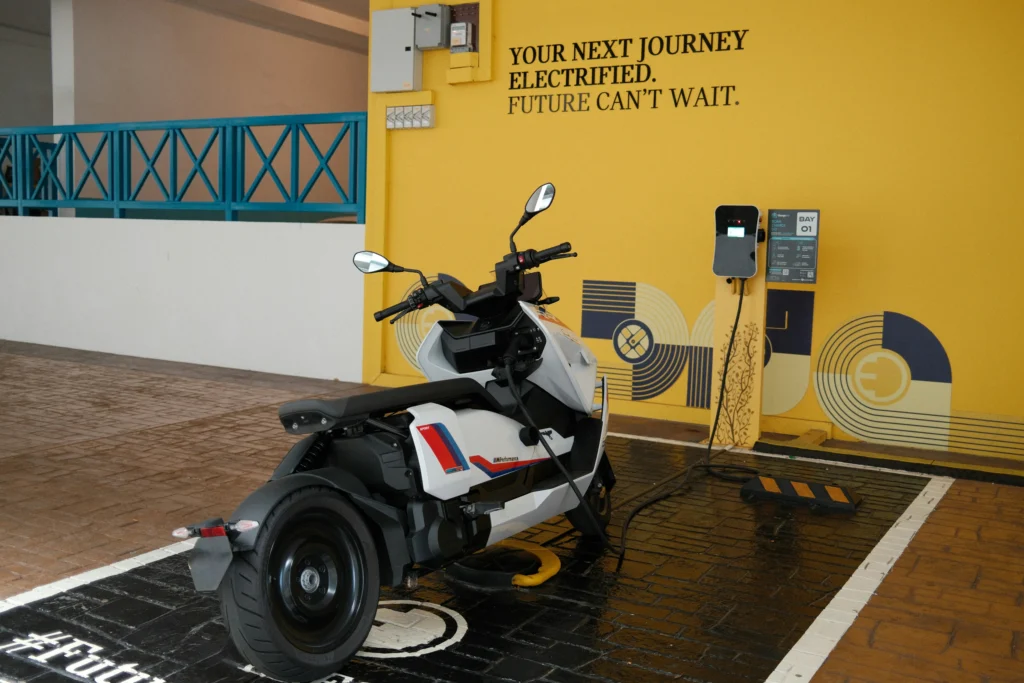
Until then, being an informed rider means understanding that a throttled charge in the heat isn’t an inconvenience, it’s your bike’s “brain” protecting your most expensive component.
To stay updated on battery safety and global EV outlooks, refer to the International Energy Agency (IEA).
FAQ: Frequently Asked Questions
Is it okay to fast charge my motorcycle every day?
It’s possible, but it will likely shorten your battery’s lifespan. The intense heat generated by daily fast charging leads to faster capacity loss. Use Level 2 for your daily needs.
Does the state of charge (SoC) affect heat?
Absolutely. Internal resistance is higher when the battery is nearly empty or nearly full. The “sweet spot” where the battery stays coolest and charges fastest is usually between 20% and 80%.
Should I wait for the bike to cool down before plugging in?
Liquid-cooled bikes handle this well, but for air-cooled models, letting the bike sit for 15 minutes after a spirited ride can help the BMS maintain higher initial charging speeds.
Can I fast charge in freezing temperatures?
Actually, charging a frozen battery is more dangerous than a hot one. Most bikes will use an internal heater to bring the pack to a safe temperature before allowing the fast charge to engage.
How do I know if my battery is overheating?
Look for “turtle mode” icons or a sudden drop in available power. Most modern dashes also feature a dedicated battery temperature gauge; keep an eye on it during long summer hauls.
