
Curtailment Recovery Systems Improving Renewable Energy Use
Implementing Curtailment Recovery Systems Improving grid efficiency stands out as a critical breakthrough for clean power operators facing severe transmission bottlenecks and localized oversupply conditions today.
Renewable energy producers frequently encounter mandatory output reductions when wind and solar generation exceed immediate regional transmission capacity or grid demand thresholds.
Modern energy recovery technologies redirect this otherwise wasted electricity toward flexible, high-density loads such as utility-scale battery storage, green hydrogen electrolysis, and co-located computing infrastructure.
Capturing stranded clean power transforms operational losses into viable revenue streams while stabilizing electric grids worldwide.
What is renewable energy curtailment and why does it occur?
Grid operators order clean power plants to reduce electricity generation when localized supply exceeds transmission line limits or regional demand drops unexpectedly low.
Without these mandatory curtailment instructions, unmanaged power surges risk damaging electrical transformers, causing frequency instability, or triggering widespread regional blackout events.
Solar farms during midday peak production and wind facilities during high-speed nocturnal gusts suffer the highest rates of uncompensated power curtailment.
Integrating advanced recovery architecture allows asset owners to harvest surplus energy locally without overloading vulnerable electrical distribution infrastructure.
| Curtailment Mitigation Option | Primary Operational Asset | Energy Conversion Mechanism | Typical Utilization Purpose |
| Battery Energy Storage (BESS) | Lithium-iron phosphate arrays | Chemical energy retention and discharge | Grid frequency support and peak arbitrage |
| Green Hydrogen Electrolysis | Proton exchange membrane units | Water splitting into clean hydrogen gas | Industrial decarbonization and long storage |
| Flexible Data Compute Units | Co-located modular data centers | Variable electrical demand conversion | High-performance computing and processing |
| Thermal Storage Systems | Molten salt or industrial boilers | Heat retention for process manufacturing | District heating and industrial steam production |
How do curtailment recovery systems capture wasted electricity?
Advanced recovery hardware relies on intelligent automated switches and predictive algorithms that monitor real-time grid conditions, line capacities, and spot electricity prices.
When central system operators issue curtailment signals, automated control software instantly diverts excess generation toward local behind-the-meter assets within seconds.
Battery storage systems charge immediately during these generation spikes, holding cheap power until grid demand rises and wholesale market prices recover.

Authoritative analytical reports from the International Energy Agency demonstrate that behind-the-meter storage integration significantly reduces overall system curtailment rates across major renewable markets.
Learn more: Why Grid Curtailment Is Hurting Renewable Energy Growth
Why are flexible loads transforming renewable project economics?
Deploying Curtailment Recovery Systems Improving plant utilization rates directly alters the financial feasibility of large-scale solar and wind projects operating in congested power markets.
Recapturing lost Megawatt-hours increases overall capacity factors, accelerates capital payback schedules, and enhances long-term project debt coverage ratios.
Co-locating flexible industrial loads like water desalination, thermal energy storage, or modular computing centers creates reliable off-take demand right at the generation source.
Read more: Renewable Energy Curtailment Losses Rising Worldwide
Project developers eliminate transmission wheeling fees while securing predictable secondary income streams that protect assets against negative wholesale power prices.
Which technical challenges hinder large-scale recovery implementation?
Integrating complex recovery hardware requires significant upfront capital expenditure for specialized transformers, power electronics, and intelligent control interfaces.
Facilities must balance variable, intermittent energy flows with the strict operational requirements of delicate industrial equipment like hydrogen electrolyzers or computing server racks.
Learn more: Pumped Hydro Comeback Strengthens Renewable Energy Storage
Navigating complex regional interconnection standards and securing municipal permits for co-located industrial assets often extends project development timelines considerably.
Comprehensive technical guidelines published by the National Renewable Energy Laboratory outline optimal engineering standards for integrating storage and flexible loads into utility-scale renewable power plants.
When should grid operators prioritize curtailment mitigation systems?
Regions experiencing rapid renewable energy expansion alongside delayed transmission line construction must deploy recovery technologies urgently to prevent massive clean energy waste.
Implementing decentralized energy capture reduces immediate pressure on transmission infrastructure, allowing utilities time to upgrade high-voltage power corridors systematically.
Power plant owners should conduct detailed nodal pricing analyses to identify generation facilities suffering annual curtailment rates above five percent.
Deploying tailored Curtailment Recovery Systems Improving asset performance ensures maximum clean energy utilization, supporting global decarbonization goals while boosting project profitability.
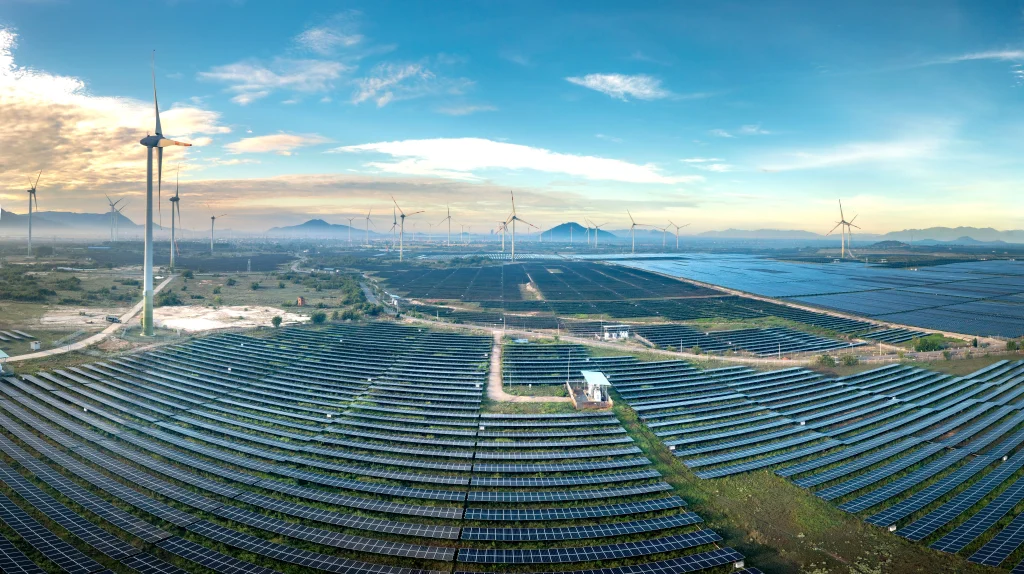
Adopting advanced power recovery solutions secures the economic future of clean energy projects in increasingly congested electrical networks.
Maximizing every generated kilowatt-hour empowers energy leaders to build resilient, sustainable power systems capable of powering modern society efficiently.
Frequently Asked Questions (FAQ)
What causes renewable energy curtailment on modern power grids?
Curtailment occurs when local wind or solar generation exceeds transmission line capacity, risking grid instability or electrical equipment damage.
Can battery storage completely eliminate the need for power curtailment?
While batteries capture significant surplus energy, economic limits on storage capacity mean hybrid systems using hydrogen or flexible loads offer broader protection.
How quickly do automated curtailment recovery systems respond to grid orders?
Modern automated control systems detect curtailment signals and divert excess electrical current to local assets within milliseconds to prevent power loss.
