
Bus Depot Power Limits Are Changing Electric Transport Plans
Understanding how Bus Depot Power Limits Are Changing fleet electrification strategies requires examining local grid capacity constraints, transformer bottlenecks, and smart energy management solutions.
Public transit agencies transitioning from diesel fleets to battery-electric vehicles (BEVs) frequently encounter major utility interconnect barriers when scaling depot charging infrastructure beyond initial pilot projects.
Overcoming these distribution grid constraints demands advanced energy storage systems, automated load management software, and staggered overnight charging protocols to ensure reliable daily transit schedules.
In this comprehensive analysis, we explore the root causes of depot power bottlenecks, technical strategies to bypass multi-million-dollar utility upgrades, and how smart energy management is reshaping zero-emission public transport.
What Are Bus Depot Power Limits and Why Do They Impact Electrification?
Power limits refer to the maximum electrical capacity that a utility distribution grid can safely deliver to a specific bus operating terminal without causing dangerous equipment overloads, voltage sags, or thermal damage to transformers.
When transit authorities transition dozens or hundreds of municipal buses to electric power, total energy demand spikes dramatically, far exceeding standard industrial utility feeder ratings.
Charging a single heavy-duty electric bus can require anywhere from 50 kW to over 350 kW of instantaneous power. Consequently, fifty vehicles plugging in simultaneously upon returning from evening service can consume several megawatts of instantaneous electrical demand.
The Scale of the Grid Bottleneck
- Peak Demand Spikes: Unmanaged charging creates massive power spikes that coincide with regional evening peak electricity usage hours.
- Substation Capacity: Many municipal bus depots are located in dense urban or industrial corridors where existing local substations are already operating near maximum capacity.
- Financial Penalties: Utilities apply steep peak demand charges to commercial customers who draw massive amounts of power in short bursts, drastically inflating the operating cost per mile of electric buses.
Infrastructure Comparison: Grid Challenges and Technical Solutions
To evaluate how transit agencies navigate power constraints, the comparison table below outlines primary grid challenges, technical solutions, and their operational benefits:
| Infrastructure Strategy | Primary Grid Challenge | Technical Solution Implemented | Operational Benefit for Fleets |
| Unmanaged Direct Charging | Extreme peak demand spikes exceeding local transformer capacity | Traditional utility substation physical upgrades (feeders, transformers) | Simple initial setup, but extremely expensive utility demand fees and long delays |
| Smart Managed Charging | Concurrent charging session overloads during peak tariff hours | Automated software staggering charging power dynamically per vehicle | Reduced peak demand fees and maximized usage of existing electrical capacity |
| BESS Integration | Insufficient utility distribution feeder capacity onsite | Stationary battery storage absorbing power from the grid during off-peak hours | Emergency backup power and supplemental high-power fast charging capability |
| Onsite Renewable Solar | Intermittent generation alignment with evening bus returns | Solar PV paired with stationary storage buffer systems | Reduced overall utility energy costs and a smaller carbon footprint |
How Utility Grid Constraints Alter Public Transit Charging Schedules
Fleet managers cannot simply plug every vehicle into high-power DC fast chargers simultaneously upon returning from evening routes without triggering severe financial penalties or tripping local circuit breakers.
Recognizing how Bus Depot Power Limits Are Changing operational timelines forces transit agencies to replace simple overnight plugin routines with software-driven energy distribution workflows.
┌────────────────────────────────────────────────────────────────────────┐
│ SMART DEPOT CHARGING WORKFLOW │
├───────────────────┬────────────────────────────┬───────────────────────┤
│ 1. BUS ARRIVAL │ 2. SOFTWARE ASSESSMENT │ 3. DYNAMIC CHARGING │
│ Bus connects to │ System checks battery SOC, │ Power is distributed │
│ charger; route │ departure time, and real- │ in staggered waves to │
│ data is ingested │ time grid capacity limits │ prevent power spikes │
└───────────────────┴────────────────────────────┴───────────────────────┘
Smart charging management software coordinates energy distribution across parked vehicles throughout the night.
By prioritizing buses scheduled for early morning departure routes and throttling power to vehicles with longer idle times, software-driven management maintains fleet readiness while staying strictly beneath the facility’s peak power threshold.
Why Stationary Battery Storage Systems Are Crucial for Modern Depots
Battery Energy Storage Systems (BESS) act as a vital buffer between the utility grid and high-power depot chargers. These systems store electricity during low-demand daytime hours (or from onsite solar generation) and discharge power during peak evening fleet charging sessions.
                      BESS ENERGY BUFFER SYSTEM
                                   │
         ┌─────────────────────────┴─────────────────────────┐
         ▼                                                   ▼
┌──────────────────────────┐                       ┌──────────────────────────┐
│   GRID / SOLAR INPUT     │                       │    CHARGING OUTPUT       │
├──────────────────────────┤                       ├──────────────────────────┤
│ Absorbs low-cost power   │                       │ Discharges high-kw power │
│ during off-peak hours    │                       │ during peak bus returns  │
│ or daylight solar peaks. │                       │ without overloading grid.│
└──────────────────────────┘                       └──────────────────────────┘
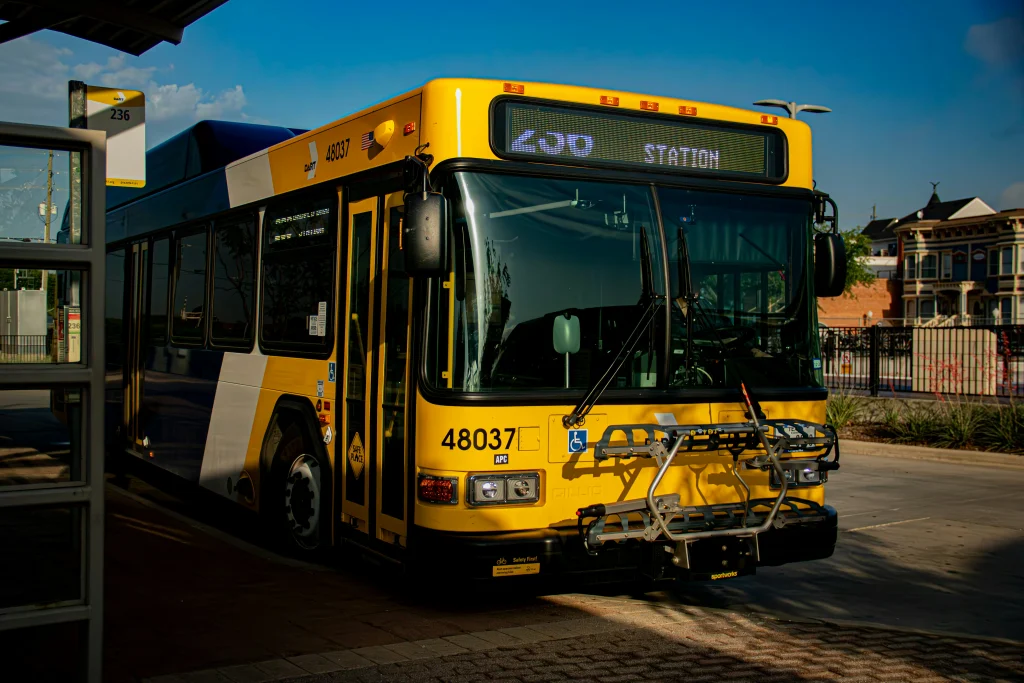
Installing onsite stationary storage allows transit facilities to deliver high-kW charging rates to vehicles without requiring immediate, multi-million-dollar utility substation hardware overhauls.
learn more: Electric Trolleybuses Are Making a Comeback in Cities Without Overhead Wires
Additionally, these storage units provide crucial emergency resilience, enabling essential public transit operations to continue functioning smoothly during unexpected municipal grid power outages.
Which Technological Solutions Prevent Expensive Utility Grid Upgrades?
Transit agencies are leveraging several complementary technologies to maximize existing depot power capacity without waiting years for utility infrastructure buildouts:
1. Automated Load Balancing Software
Algorithmic software adjusts individual charger outputs dynamically based on real-time depot power consumption, route schedules, battery state-of-charge (SOC), and current utility electricity pricing structures.
2. Depot Microgrids
By integrating solar panels, stationary batteries, and intelligent microgrid controllers, transit facilities can generate and store their own clean power, significantly reducing reliance on external distribution network feeds.
Read more: Electric Transport Trolleybus Systems Returning Fast
3. Opportunity Charging at En-Route Terminals
To lessen the heavy reliance on massive overnight depot charging sessions, urban transit planners are increasingly installing pantograph fast chargers at route endpoints. For an in-depth look at how municipalities are deploying flexible zero-emission solutions without relying exclusively on traditional plug-in depots, read about how Electric Trolleybuses Are Making a Comeback in Cities Without Overhead Wires.
Key Strategies for Long-Term Fleet Transition Planning
Adapting infrastructure planning around realistic grid constraints guarantees that public transit agencies maintain continuous, cost-effective, and fully dependable zero-emission bus operations.
Early Utility Engagement
Grid interconnection studies must occur at least three to five years before purchasing large batches of electric vehicles. Early collaboration with regional utility providers helps engineers assess local distribution capacity, plan necessary feeder expansions, and negotiate favorable commercial charging rate structures.
Learn more: Electric Car Charging Queue Algorithms in Busy Stations
Phased Infrastructure Scaling
Instead of designing a depot for 100% capacity on day one, agencies should implement modular charging infrastructure that can expand alongside battery storage additions and software upgrades as fleet sizes grow.
Frequently Asked Questions
How much power does a typical municipal electric bus depot require?
A medium-sized depot housing 100 electric buses can require between 5 to 10 megawatts (MW) of peak electrical power capacity for overnight charging, equivalent to the power consumption of a small town or major industrial complex.
What is the main difference between unmanaged and smart depot charging?
Unmanaged charging draws maximum power immediately upon vehicle connection, often creating huge demand spikes. Smart charging distributes power dynamically based on departure times, battery state-of-charge, and utility tariff schedules to keep peak demand low.
How does stationary storage reduce electricity costs for bus operators?
Stationary batteries store energy when electricity prices are low (off-peak) and discharge that energy to charge buses during peak hours. This process, known as “peak shaving,” prevents expensive utility demand charges.
