
Battery Trains on Unelectrified Lines Advance Electric Transport
Battery Trains on Unelectrified Lines Advance global decarbonization efforts by replacing polluting diesel locomotives with clean energy storage technology across regional rail networks.
Modern railway operators face intense financial pressure to eliminate fossil fuel consumption without investing billions in costly overhead catenary wire infrastructure projects.
Advanced rolling stock manufacturers design high-capacity lithium-ion battery propulsion systems capable of spanning long gaps between traditional electrified rail corridors seamlessly.
Environmental engineering experts applaud this pragmatic transition because it accelerates sustainable transit adoption across secondary routes previously deemed economically unfeasible for electrification.
Millions of daily regional commuters benefit from quieter journeys, reduced particulate emissions, and dependable zero-emission transit schedules operating smoothly across rural landscapes.
Strategic forward-thinking transit authorities evaluate hybrid battery deployment metrics continually to optimize fleet performance and maximize return on green capital investments.
How do battery propulsion systems operate on non-wired tracks?
High-density battery packs store electrical energy captured during regenerative braking cycles or absorbed directly from overhead wires along hybrid route sections.
Highly intelligent power management software distributes stored electrical current dynamically to traction motors, ensuring consistent acceleration curves regardless of route elevation profiles.
All of our specialized onboard thermal management loops circulate liquid coolants continuously, preventing overheating during intensive hill climbs or rapid charging operational windows.
For technical insights regarding zero-emission rail engineering standards, review official guidelines published by the International Union of Railways.
Convenient automated fast pantograph charging stations installed at major terminal platforms replenish depleted battery cells in mere minutes between scheduled turnaround departures.
All of our very strict safety sensors monitor cell temperatures and voltage balances continuously to guarantee flawless operational reliability during every passenger journey.
What economic advantages drive regional fleet conversions?
Eliminating expensive overhead wire installation saves millions of dollars per route kilometer across rugged terrain and historic architectural preservation zones.
Significantly lower maintenance outlays compensate for initial battery pack acquisition costs over a standard twenty-year rolling stock operational lifecycle period.
Substantial energy efficiency gains achieved through regenerative braking reduce overall electricity consumption compared to traditional diesel-electric mechanical transmission systems.
Regional public transit agencies secure valuable government green subsidies by modernizing aging fleets with state-of-the-art zero-emission propulsion architectures.
Enhanced commercial viability attracts private institutional investors eager to fund sustainable infrastructure projects generating reliable long-term operational revenue streams.
Prudent financial officers appreciate how predictable electricity pricing shields transit budgets against volatile global fossil fuel market price fluctuations.
Which technical hurdles challenge battery train deployment?
Substantial weight penalties imposed by massive onboard battery arrays require lightweight aluminum carbody designs to maintain acceptable passenger load capacities.
Harsh extreme ambient winter temperatures reduce effective battery discharge ranges significantly, demanding robust climate control integration and auxiliary heating solutions.
Severe local electrical grid capacity bottlenecks near rural terminal stations complicate high-power fast-charging infrastructure installation without local substation upgrades.
Dedicated engineers collaborate closely with battery chemists to develop solid-state cells offering superior energy density and enhanced fire safety profiles.
Regulatory approval processes remain complex because safety authorities establish new certification protocols for high-voltage energy storage systems onboard passenger coaches.
Successfully overcoming these engineering barriers proves that Battery Trains on Unelectrified Lines Advance reliably through rigorous testing protocols and continuous innovation.
How do battery trains compare with traditional diesel fleets?
Thorough transport economists evaluate key performance indicators to demonstrate the operational superiority of zero-emission storage propulsion over legacy combustion locomotives.
| Performance Metric | Traditional Diesel Train | Modern Battery Train |
|---|---|---|
| Tailpipe Emissions | High carbon and particulate output | Zero direct emissions |
| Operational Noise | Loud engine roar and idling hum | Whisper-quiet electric traction |
| Refueling Method | Diesel fuel bowser depots | Pantograph fast-charging terminals |
Leading industry analysts utilize these comparative benchmarks to justify multi-million-dollar rolling stock procurement contracts signed by national railway operators.
Clearly recognizing these operational contrasts underscores why modern hybrid transport solutions outperform legacy combustion equipment across regional secondary networks.
Experienced fleet managers review standardized efficiency reports carefully before replacing legacy assets with advanced battery-electric multiple unit train sets.
Independent auditing firms verify these performance claims, ensuring taxpayers receive optimal value from government-funded public transit modernization initiatives.
When will hybrid battery trains dominate regional corridors?
Ambitious European transport authorities project widespread commercial adoption across secondary rail routes by the end of this decade as battery costs decline.
Learn more: Urban Space Constraints Challenging Electric Transport Expansion
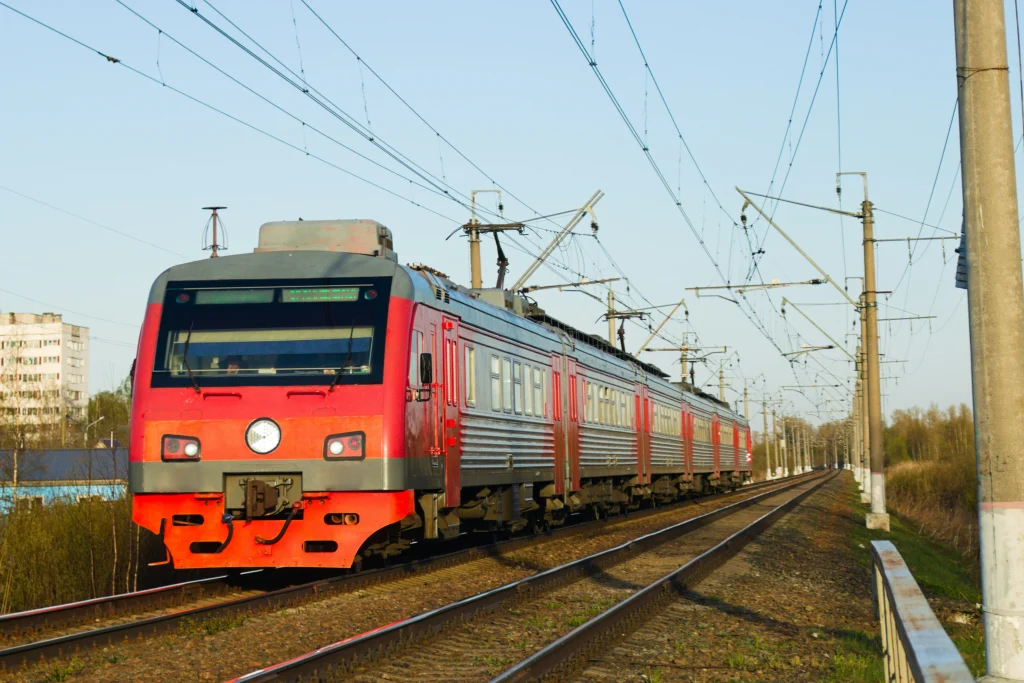
Growing North American commuter lines test prototype battery train units successfully on freight-shared tracks requiring robust endurance and high towing capacity.
Stricter government mandates targeting net-zero carbon emissions by mid-century compel national rail networks to accelerate green propulsion equipment replacement schedules.
Growing public enthusiasm for clean public transit creates strong political momentum supporting expanded federal funding for regional rail electrification projects.
As global manufacturing scale expands, unit prices drop, making battery technology accessible to smaller private regional railway operators worldwide.
Optimistic market forecasters predict exponential growth as regional passenger networks realize substantial operational savings through reduced fossil fuel dependency.
What role do government policies play in rail greening?
Proactive government regulatory frameworks and carbon tax incentives encourage private rail companies to retire pollutant-heavy diesel locomotives ahead of schedule.
Targeted public-private partnerships pool financial resources effectively to construct necessary charging infrastructure along remote regional transport corridors.
Direct government subsidies directed toward green research empower universities and corporate laboratories to invent safer, more durable energy storage materials.
Read more: Depot Energy Constraints Impacting Electric Transport Fleets
Binding international climate agreements establish strict emissions targets that compel transportation ministries to prioritize zero-emission rail investments immediately.
Coordinated policy support ensures that Battery Trains on Unelectrified Lines Advance toward universal adoption without encountering unexpected bureaucratic roadblocks.
Strong legislative backing provides the legal certainty required for private operators to commit capital to long-term sustainable fleet transformations.
Conclusion
Consolidated as an indispensable pillar of modern sustainable transport, battery-electric propulsion bridges the gap between traditional electrification and zero-emission goals.
Proactively adopting innovative rolling stock technologies empowers regional rail networks to eliminate diesel emissions without incurring insurmountable infrastructure debt.
Additional authoritative insights regarding global rail decarbonization can be explored directly through the official International Energy Agency portal.
Learn more: What Makes an Electric Train “Green”?
Visionary transportation planners prioritizing long-term environmental resilience find in hybrid battery trains the perfect instrument to modernize secondary routes successfully.
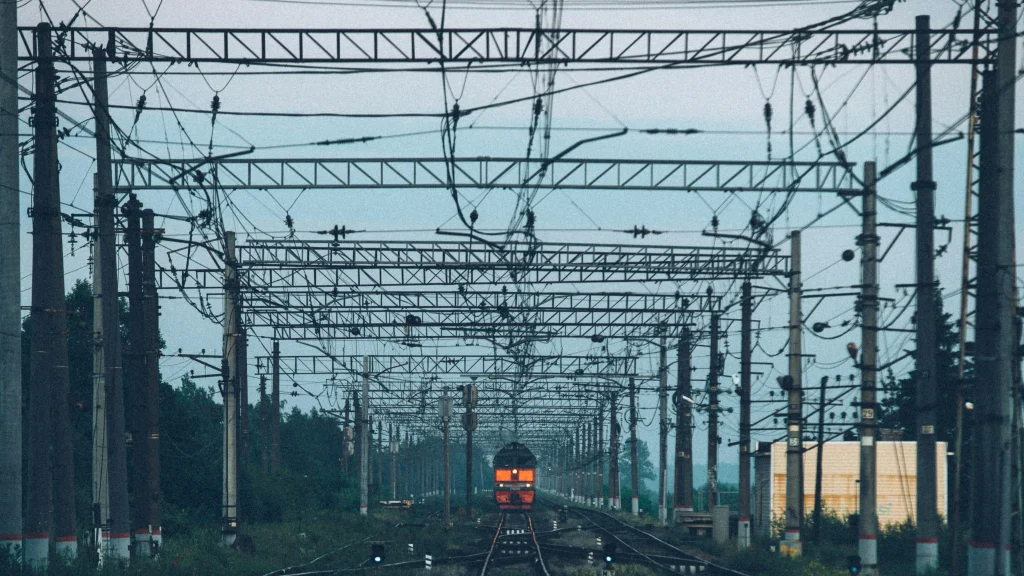
Unwaveringly investing engineering talent into advanced energy storage systems guarantees a prosperous, pollution-free future for global passenger rail systems.
Looking firmly forward, Battery Trains on Unelectrified Lines Advance as a testament to human ingenuity solving complex climate challenges through pragmatic engineering.
Frequently Asked Questions (FAQ)
How far can a battery train travel between charges?
Modern battery trains achieve operational ranges between eighty and one hundred twenty kilometers on a single charge, depending on topography and passenger load weights.
Can battery trains be retrofitted onto older railcars?
Yes, specialized engineering firms offer modular battery conversion packages that replace diesel engines in existing legacy multiple unit train chassis successfully.
How long does it take to recharge the batteries?
Fast pantograph charging systems stationed at terminals replenish depleted energy storage cells completely within ten to fifteen minutes during scheduled passenger layovers.
Are battery trains safe in cold winter weather?
Advanced thermal management circuits regulate cell temperatures continuously, ensuring reliable power delivery and consistent passenger cabin heating during severe sub-zero winter conditions.
Do battery trains cost more than diesel locomotives?
While initial purchase prices exceed standard diesel units, lower operating expenses and eliminated electrification infrastructure costs yield substantial lifetime financial savings.
