
Depot Energy Constraints Impacting Electric Transport Fleets
Depot Energy Constraints Impacting electric transport fleets represent a critical operational challenge, forcing commercial operators to balance grid interconnection limits, rapid charging demands, and strict route schedules.
As transit agencies and logistics companies scale their zero-emission vehicle numbers, local electrical infrastructure often becomes the primary bottleneck preventing smooth fleet electrification and timely operational deployments.
What are the primary grid limitations affecting modern charging depots?
Fleet electrification transforms commercial yards from passive parking spaces into major industrial power consumers requiring megawatt-level utility connections to support simultaneous high-power charging sessions.
Local distribution grids frequently lack the transformer capacity needed to support simultaneous fast-charging operations without causing severe voltage fluctuations or triggering costly infrastructure upgrades.
Negotiating grid interconnection upgrades with regional utilities often introduces multi-year administrative delays, stalling vehicle deployment schedules and stranding capital investments in heavy-duty electric trucks and buses.
Navigating Depot Energy Constraints Impacting commercial operations requires deploying intelligent energy management systems that balance power distribution across vehicles based on departure times and battery states.
Proactive utility engagement, combined with onsite energy storage solutions, helps fleet managers mitigate expensive peak demand charges while maintaining operational reliability across all routes.
How do smart charging management systems optimize power allocation?
Automated software algorithms monitor real-time grid conditions and fleet schedule requirements, dynamically adjusting charging speeds for individual vehicles to stay below maximum peak power thresholds.
Staggering charging sessions throughout overnight dwell times prevents sudden power spikes, significantly lowering utility capacity tariffs without compromising morning vehicle readiness or operational efficiency.
The technical table below details core operational parameters and load optimization strategies commonly implemented across commercial electric fleet depots in 2026:
| Operational Metric / Strategy | Standard Unmanaged Profile | Optimized Smart Managed Profile | Fleet Benefit Realized |
| Peak Power Demand | Uncontrolled megawatt spikes | Flat, regulated load profile | Drastic reduction in utility demand charges |
| Grid Connection Upgrades | Requires immediate substation capacity | Utilizes existing utility infrastructure | Avoids multi-year utility interconnect delays |
| Onsite Storage Integration | Unused battery resources | Stationary BESS buffer integration | Mitigates peak tariffs and provides backup power |
| Fleet Readiness Rate | Unpredictable charge states | Timed to exact departure schedules | Guarantees operational availability for all routes |
Implementing data-driven management software allows fleet directors to maximize existing electrical capacity, delaying capital-intensive utility infrastructure expansions while scaling vehicle numbers effectively.
Why are stationary battery storage and solar microgrids becoming essential?
Installing onsite battery energy storage systems allows depots to store low-cost energy during off-peak hours and discharge power during peak operational charging windows.
Integrating rooftop solar photovoltaic arrays generates clean renewable power directly at the point of consumption, reducing reliance on the primary grid during sunny daytime operational shifts.
Learn more: Electric Truck Charging Queue Delays at Fleet Depots
To review official energy statistics, grid integration guidelines, and technical reports on clean transportation infrastructure, consult the U.S. Energy Information Administration (EIA).
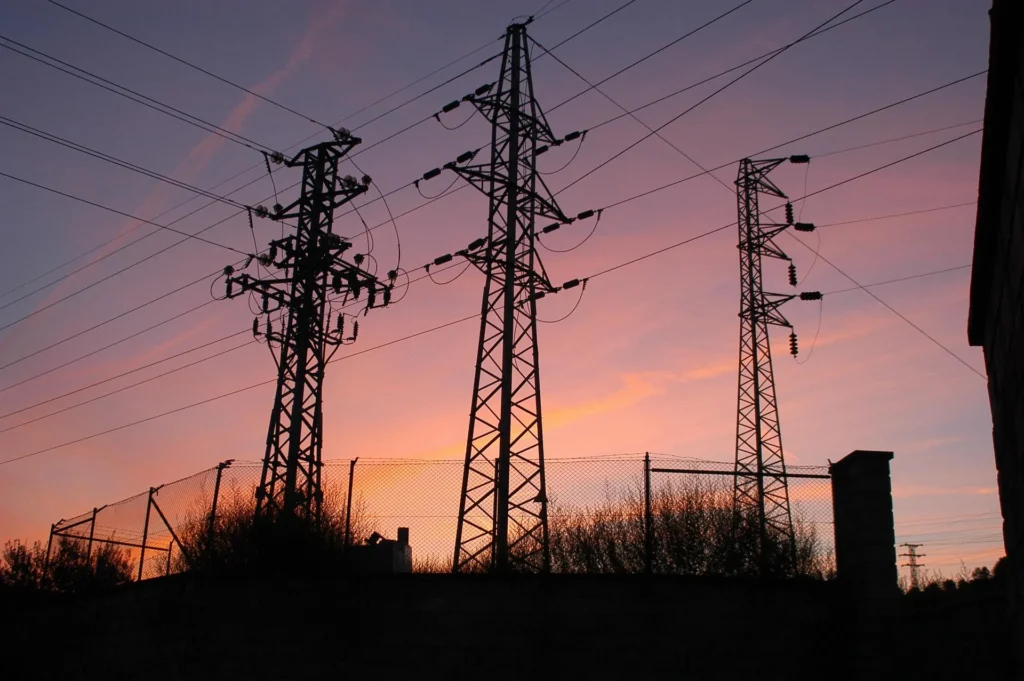
Addressing Depot Energy Constraints Impacting logistics hubs requires a holistic microgrid architecture combining solar generation, stationary batteries, and bi-directional charging capabilities for optimal resilience.
These localized energy ecosystems protect fleet operations against sudden power grid blackouts, ensuring critical delivery routes and municipal transit services remain fully functional during emergencies.
Which load mitigation techniques yield the fastest operational ROI?
Implementing vehicle-to-grid power transfer standards enables fleet batteries to feed stored electricity back into depot microgrids or primary utility distribution networks during emergency demand response events.
Prioritizing charging sequences based on vehicle state of charge and immediate route length ensures mission-critical vehicles receive high-speed power first without overloading facility transformers.
Read more: Fleet Depot Upgrades Expanding Electric Truck Operations
Establishing automated load-shedding protocols protects facility administration buildings and maintenance bays from power loss when fleet charging demand approaches total site interconnection limits.
To explore international electrical safety standards, grid compliance frameworks, and heavy-duty vehicle charging protocols, visit the International Electrotechnical Commission (IEC).
Combining software automation with hardware-level energy storage creates a flexible power management architecture capable of supporting rapid fleet expansion without risking operational downtime.
Overcoming power barriers to build resilient fleet infrastructure in 2026
Scaling commercial electric vehicle fleets successfully requires moving beyond simple hardware acquisition to embrace comprehensive, software-driven energy management strategies across all depot facilities.
Recognizing Depot Energy Constraints Impacting daily operations empowers transport executives to invest in smart microgrids, battery buffers, and utility partnerships early in their transition planning.
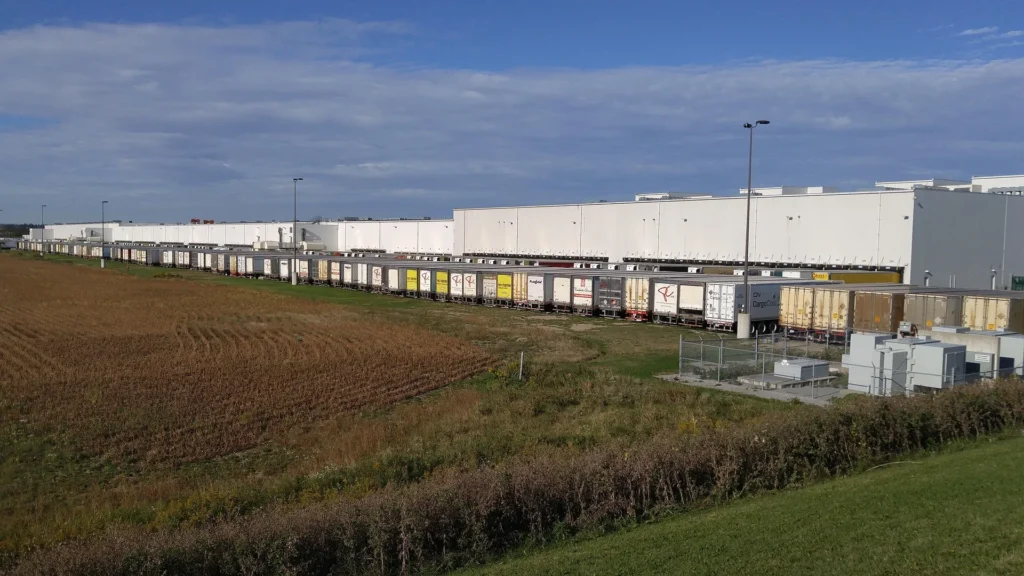
Learn more: Energy Demand Peaks Created by Electric Truck Depots
Adopt intelligent load management platforms, optimize your power infrastructure, and secure a resilient, cost-effective foundation for your organization’s zero-emission transport fleet today.
FAQ (Frequently Asked Questions)
What causes peak demand charges at commercial charging depots?
Peak demand charges occur when a facility draws high amounts of electrical power simultaneously, prompting utility providers to bill higher rates based on the maximum power threshold reached.
How long does a typical utility grid upgrade take for a heavy-duty fleet depot?
Utility grid infrastructure upgrades, such as installing new substation transformers or high-voltage feeder lines, routinely take anywhere from eighteen to thirty-six months to complete.
Can fleet operators use vehicle-to-grid technology to offset depot energy costs?
Yes. Vehicle-to-grid systems allow parked electric vehicles to supply stored battery energy back to the facility or grid during peak rate hours, generating revenue or reducing power bills.
What is the role of stationary battery energy storage systems in depots?
Stationary batteries act as power buffers, storing energy during low-demand periods and supplementing grid power when multiple vehicles undergo fast charging simultaneously.
