
EV vs Plug-in Hybrid: Which Makes More Sense for Daily Use?
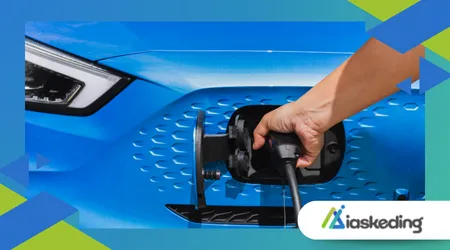
Deciding between an EV vs plug-in hybrid requires evaluating your specific driving patterns, home charging access, and long-distance travel needs to determine the most efficient choice for your lifestyle in 2025.
Summary of Key Considerations
- Battery Range: Pure EVs offer 250–400 miles, while PHEVs provide 30-50 electric miles.
- Charging Habits: EVs demand consistent high-speed infrastructure; PHEVs offer gasoline flexibility for trips.
- Operational Costs: Electricity remains cheaper than gas, but PHEV maintenance includes engine upkeep.
- Infrastructure: The 2025 expansion of NACS charging ports significantly benefits all-electric vehicle owners.
What is the Difference Between an EV and a Plug-in Hybrid?
Electric vehicles (EVs) operate strictly on battery power, utilizing one or more electric motors for propulsion.
These cars emit zero tailpipe pollutants and represent the pinnacle of modern sustainable transportation technology.
Plug-in hybrid electric vehicles (PHEVs) utilize a dual-system approach.
They contain a medium-sized battery for short electric trips and an internal combustion engine that engages once the battery reaches a low state.
The core distinction involving an EV vs plug-in hybrid centers on the energy source. EVs require a plug to function, whereas hybrids can continue driving using gasoline even if you never charge.
++The Hidden Weak Point in Electric Transport: Depot-Level Energy Management Systems (EMS)
Modern consumers view EVs as a total departure from fossil fuels.
Meanwhile, PHEVs act as a bridge technology, allowing drivers to experience electric benefits without the immediate fear of running out of power.
How Does Daily Range Affect the Choice Between EV and PHEV?

Your average daily commute serves as the primary metric for this decision. Statistics show most Americans drive fewer than 40 miles per day, a distance easily covered by most modern plug-in hybrids.
If your daily routine fits within that 40-mile window, a PHEV effectively functions as a pure electric car. You rarely visit gas stations while maintaining a combustion engine for occasional weekend road trips.
However, choosing an EV vs plug-in hybrid makes more sense for high-mileage commuters.
Pure EVs handle 100-mile round trips effortlessly, providing superior refinement and significantly lower fuel costs over long distances.
Range anxiety has diminished in 2025 due to improved battery densities.
++The Truth About Towing With an Electric Car
Most entry-level EVs now comfortably exceed 250 miles of range, making them viable for almost any standard daily driving scenario today.
Why Charging Infrastructure Dictates Your Driving Experience?
Access to home charging remains the ultimate “make or break” factor for electric ownership. Installing a Level 2 charger allows EV owners to wake up every morning with a full “tank” of energy.
Public charging infrastructure has improved, but reliability still varies by region.
You can find detailed maps of available stations through the Alternative Fuels Data Center to verify charger density in your specific neighborhood.
When comparing an EV vs plug-in hybrid, the PHEV offers a massive advantage for apartment dwellers. If you cannot charge at home, the hybrid engine prevents you from becoming stranded during busy weeks.
Conversely, Tesla’s integration of the North American Charging Standard (NACS) across other brands has simplified EV ownership.
++Can Solar Panels Cover Your EV Charging Needs? A Case Study
Most 2025 electric models now access the most reliable fast-charging network in the United States.
Which Option Offers the Best Total Cost of Ownership in 2025?
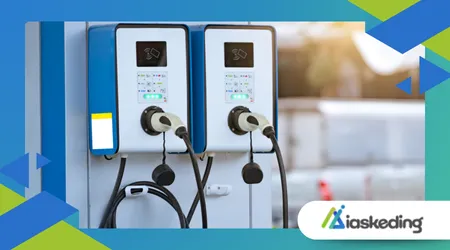
Purchasing an EV vs plug-in hybrid involves analyzing both the initial sticker price and long-term operating expenses.
EVs generally command higher MSRPs but benefit from fewer moving parts and no oil changes.
PHEVs often qualify for smaller federal tax credits compared to their fully electric counterparts.
You must calculate the potential savings from state incentives, which frequently favor zero-emission vehicles over hybridized combustion platforms.
The following table highlights the technical and financial benchmarks for popular 2025 models in both categories.
These figures reflect current market averages for mid-range trims available to American consumers today.
2025 Performance and Cost Comparison
| Feature | Battery Electric Vehicle (EV) | Plug-in Hybrid (PHEV) |
| Electric Range | 240 – 400 Miles | 25 – 55 Miles |
| Fuel Source | 100% Electricity | Electric + Gasoline |
| Annual Maintenance | Approx. $400 – $600 | Approx. $700 – $900 |
| Home Charging Time | 8 – 12 Hours (Level 2) | 2 – 4 Hours (Level 2) |
| Average Base Price | $42,000 – $55,000 | $35,000 – $48,000 |
What are the Environmental Impacts of Each Powertrain?
Environmental benefits remain a driving force for many buyers exploring the EV vs plug-in hybrid debate.
Pure electric cars produce zero direct emissions, significantly improving local air quality in dense urban environments.
PHEVs are significantly cleaner than traditional gasoline cars but still rely on fossil fuels for longer journeys.
Their environmental efficiency depends entirely on the owner’s commitment to charging the battery every night.
Research indicates that many PHEV owners neglect to plug in their vehicles, which drastically reduces their eco-friendliness.
Without regular charging, you are simply hauling a heavy, unused battery with a gasoline engine.
Manufacturing batteries creates a carbon footprint, but EVs “break even” after roughly two years of driving.
Over a ten-year lifespan, the all-electric option remains the most sustainable choice for the planet.
When Should You Choose a Plug-in Hybrid Over a Pure EV?
A plug-in hybrid is the superior choice for drivers who frequently tow heavy trailers or travel through rural areas. Charging stations remain sparse in many mountainous or deeply agricultural regions of America.
If your lifestyle involves spontaneous 500-mile trips without planned stops, the PHEV provides unmatched peace of mind. You never have to worry about broken chargers or long queues at busy highway stations.
The EV vs plug-in hybrid choice also favors the hybrid for those with limited budgets. Many excellent PHEVs sit at lower price points while still offering a premium, silent electric driving experience daily.
Families who only own one vehicle often find the PHEV to be the most versatile tool. It handles the school run on electricity and the cross-country summer vacation on efficient gasoline power.
Conclusion
Ultimately, the choice between an EV vs plug-in hybrid depends on your access to electricity. If you can charge at home and drive standard distances, the pure EV offers the best experience.
However, the PHEV remains a vital tool for those transitioning away from traditional engines.
It provides a safety net while allowing you to slash your carbon footprint during your typical Monday-to-Friday routine.
As battery technology evolves, the gap between these two options continues to shrink.
Staying informed on global trends through resources like the IEA Global EV Outlook will help you time your next vehicle purchase perfectly.
FAQ (Frequently Asked Questions)
Do EVs lose more range in cold weather than PHEVs?
Yes, extreme cold can reduce EV range by 20% to 30% due to battery chemistry and cabin heating. PHEVs use engine heat to warm the cabin, preserving more battery for driving.
Can I charge a PHEV at a DC Fast Charger?
Most PHEVs are limited to Level 1 or Level 2 AC charging. Only a few specific models, like the Mitsubishi Outlander PHEV, offer DC fast-charging capabilities for quicker battery replenishment.
Is the maintenance on a PHEV more expensive than a gas car?
Maintenance is usually similar to a traditional car because the combustion engine still requires care. However, the electric motor reduces wear on brakes through regenerative braking, saving money on pads.
How long do the batteries last in an EV vs plug-in hybrid?
Both systems are designed to last at least 100,000 to 150,000 miles. Most manufacturers provide eight-year warranties to ensure consumer confidence in the longevity of the battery cells and electronics.
