
Intermodal Hubs Accelerating Electric Transport Connectivity
Intermodal Hubs Accelerating electric transport connectivity across metropolitan regions provide the structural foundation necessary to unify public transit, personal zero-emission mobility, and commercial freight networks efficiently.
Modern urban transit authorities face unprecedented pressure to decarbonize passenger mobility while simultaneously reducing traffic congestion across expanding suburban corridors.
Integrating high-capacity battery charging infrastructure directly into central transit interchanges allows municipalities to bridge long-standing operational gaps between rail lines, municipal buses, and micro-mobility options.
Evaluating how centralized transport nodes streamline energy distribution and vehicle throughput helps urban planners build resilient, future-proof mobility ecosystems capable of supporting long-term zero-emission mandates.
What are integrated mobility nodes and how do they function?
Intermodal transportation hubs serve as centralized transfer points where passengers and cargo switch seamlessly between distinct transport modes like trains, buses, electric cars, and bicycles.
By co-locating megawatt-level EV charging infrastructure at rail stations and bus depots, these facilities turn simple transfer stops into active energy management centers.
Grid operators utilize centralized hub battery storage systems to absorb excess renewable energy during off-peak hours and dispatch electricity when local vehicle charging demand spikes.
Equipping transfer terminals with shared charging hardware eliminates redundant utility connections across cities, dramatically lowering municipal capital expenditure requirements for broad electrification deployment.
Why does modal integration speed up zero-emission fleet adoption?
Fleet operators frequently hesitate to transition toward heavy-duty electric trucks or delivery vans due to concerns regarding route range limitations and sparse charging availability.
Positioning high-power charging depots at strategic intermodal transfers gives logistics companies reliable access to rapid top-up charging while freight transfers from rail to road.
This continuous operational capability keeps commercial electric vehicles moving without forcing drivers to deviate from primary transit corridors, preserving crucial supply chain delivery schedules.
Check infrastructure development guidelines and funding framework documents published by the U.S. Department of Transportation to understand federal initiatives supporting clean intermodal freight corridors.
Operational Performance Metrics across Intermodal Infrastructure Tiers
| Hub Classification Tier | Primary Transport Modes Connected | Peak Charging Capacity | Average Passenger Dwell Time | Grid Integration Strategy |
| Metropolitan Central | High-speed rail, metro, bus, e-scooters | 5 MW – 15 MW (Ultra-fast) | 15 – 30 minutes | On-site battery storage & solar canopy |
| Suburban Commuter | Regional rail, park-and-ride EVs, buses | 1 MW – 4 MW (Fast DC) | 4 to 8 hours | Dynamic load balancing with local grid |
| Urban Freight Depot | Freight rail, heavy e-trucks, cargo bikes | 10 MW – 25 MW (Megawatt) | 45 – 90 minutes | Demand-response integration & microgrid |
| Neighborhood Micro-Hub | Shared e-bikes, e-mopeds, local vans | 100 kW – 500 kW (AC/DC) | 10 – 20 minutes | Direct low-voltage grid connections |
How do smart grids manage high energy demands at central terminals?
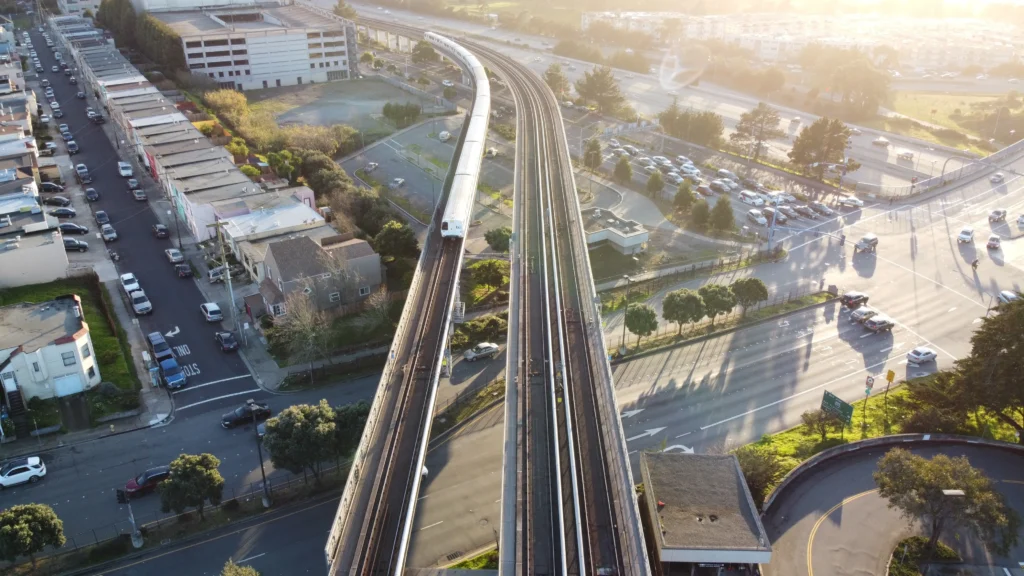
Concentrating dozens of high-power chargers at a single passenger terminal places immense instantaneous power demands on local distribution sub-stations during morning peak hours.
Learn more: Energy Islands Could Transform Renewable Energy Networks
Advanced energy management software solves this bottleneck through dynamic load allocation, adjusting power delivery per charger based on vehicle arrival times and battery states.
Intermodal Hubs Accelerating clean transit depend on stationary battery energy storage systems that store solar power generated from roof canopy installations during midday hours.
Peak shaving capabilities protect local grid stability, allowing facility managers to charge fleet vehicles affordably without incurring exorbitant utility demand charges during peak operational periods.
Which digital technologies enable seamless multimodal journeys for passengers?
Unified digital platforms allow commuters to plan journeys, reserve shared electric vehicles, and pay for intermodal transfers using a single contactless mobility account.
Real-time data synchronization between transit buses and passenger mobility apps reduces wait times at transfer points, making public transit significantly more attractive than private automobiles.
Read more: How Battery Technology Is Powering Electric Micro-Transit
Sensors deployed across vehicle bays monitor charger availability continuously, routing incoming electric buses automatically toward available stalls to prevent internal terminal congestion.
Interoperable payment systems simplify regional commuting, encouraging riders to leave gas-powered cars at suburban park-and-ride facilities equipped with intelligent solar charging stations.
When will centralized infrastructure expansion reach global scale?
Accelerated regulatory timelines mandating zero-emission public transit fleets by 2030 are forcing municipalities worldwide to fast-track intermodal infrastructure construction projects today.
National decarbonization grants provide substantial capital backing to convert legacy bus terminals and train stations into multi-modal clean energy hubs over the next decade.

Learn more: Depot Energy Constraints Impacting Electric Transport Fleets
Review comprehensive international mobility reports published by the International Energy Agency (IEA) to track global adoption rates of electric commercial vehicles and charging networks.
Coordinated private and public investments ensure that intermodal charging centers will dominate urban transportation architecture, driving continuous emissions reductions across national transportation networks.
Frequently Asked Questions (FAQ)
What defines an intermodal electric transport hub?
An intermodal electric hub is a unified transit facility offering shared charging infrastructure across multiple connected transport types, including trains, buses, cars, and micro-mobility devices.
How do intermodal hubs reduce urban traffic congestion?
Combining reliable mass transit connections with shared electric micro-mobility options enables commuters to travel seamlessly without relying on private combustion-engine vehicles for daily trips.
Can existing train stations be retrofitted into electric intermodal hubs?
Yes, legacy rail stations frequently undergo modernization upgrades that add high-power EV charging plazas, solar parking canopies, and automated shared fleet docking bays.
What is megawatt charging and why is it needed at hubs?
Megawatt charging systems supply over 1,000 kilowatts of power, enabling heavy-duty electric buses and commercial trucks to recharge rapidly during short loading and unloading cycles.
Relying on Intermodal Hubs Accelerating zero-emission vehicle integration is the ultimate strategy for modern urban centers striving to eliminate transport emissions while improving transit efficiency.
Transforming transportation centers into smart energy nodes ensures that cities remain accessible, clean, and economically vibrant for future generations.
