
Energy Islands Could Transform Renewable Energy Networks
Exploratory projects suggest Energy Islands Could Transform offshore grid architectures by interconnecting massive offshore wind farms, optimizing power distribution, and driving large-scale green hydrogen production directly at sea.
Coastal nations face growing land constraints, making artificial energy hubs essential infrastructure for harvesting high-capacity marine wind resources across North Sea and Baltic waters.
Analyzing these engineering concepts reveals how centralized offshore energy collection points mitigate grid congestion on mainland electrical networks while accelerating industrial decarbonization goals efficiently.
What are energy islands and how do they function offshore?
Energy islands serve as central offshore aggregation hubs, collecting electricity generated by nearby maritime wind turbines and converting high-voltage alternating current into direct current.
Engineers build these structures as artificial land masses or steel platforms, housing heavy transformer stations, electrical converters, battery storage units, and electrolysis plants.
By consolidating energy transmission from multiple wind farms into single high-capacity subsea cables, these infrastructure hubs reduce overall installation costs while enhancing offshore grid stability.
How do artificial energy hubs optimize power transmission across borders?
Direct subsea interconnectors linking energy hubs to multiple national grids allow regional electricity trading, balance fluctuating supply, and prevent clean energy curtailment during peak production periods.
Integrated electrolysis equipment enables green hydrogen generation directly at sea, utilizing desalinated seawater and excess wind energy to supply heavy transport and industrial manufacturing sectors.
Recognizing how Energy Islands Could Transform international power trading framework design helps policymakers coordinate cross-border offshore infrastructure investments while strengthening regional energy independence across coastal jurisdictions.
To inspect technical guidelines and European energy transition planning frameworks, visit the official platform of the European Commission.
Below is a detailed analytical summary highlighting key energy island design concepts, structural types, primary energy capacities, and target operational functions across marine environments.
| Concept Model | Structural Foundation | Target Generation Capacity | Primary Functional Role |
|---|---|---|---|
| Sand-Caisson Island | Reclaimed Sand & Concrete | 3 GW to 10 GW | Power collection, interconnector hub, hydrogen production |
| Steel Platform Complex | Jack-up / Fixed Steel Jackets | 1 GW to 3 GW | High-voltage direct current (HVDC) conversion, transmission |
| Floating Modular Hub | Semi-submersible Structures | 500 MW to 2 GW | Deep-water offshore wind connection, power-to-X processing |
| Multi-Nation Interconnector | Combined Artificial Reef/Island | 10 GW+ | Cross-border grid balancing, regional energy distribution |
Evaluating these structural choices allows energy planners to match environmental conditions, sea depth challenges, and financial budgets with long-term regional decarbonization targets effectively.
Why are North Sea nations pioneering artificial energy hub construction?
Strong offshore wind speeds combined with shallow seabed waters make the North Sea ideal for constructing large-scale artificial energy islands and connected transmission networks.
Danish and European offshore grid expansion strategies focus on constructing energy hubs that route maritime wind power efficiently to heavy industrial consumption centers across Western Europe.
Observing how Energy Islands Could Transform renewable power distribution frameworks encourages financial investors to back innovative power-to-X technologies, securing long-term economic returns across sustainable assets.
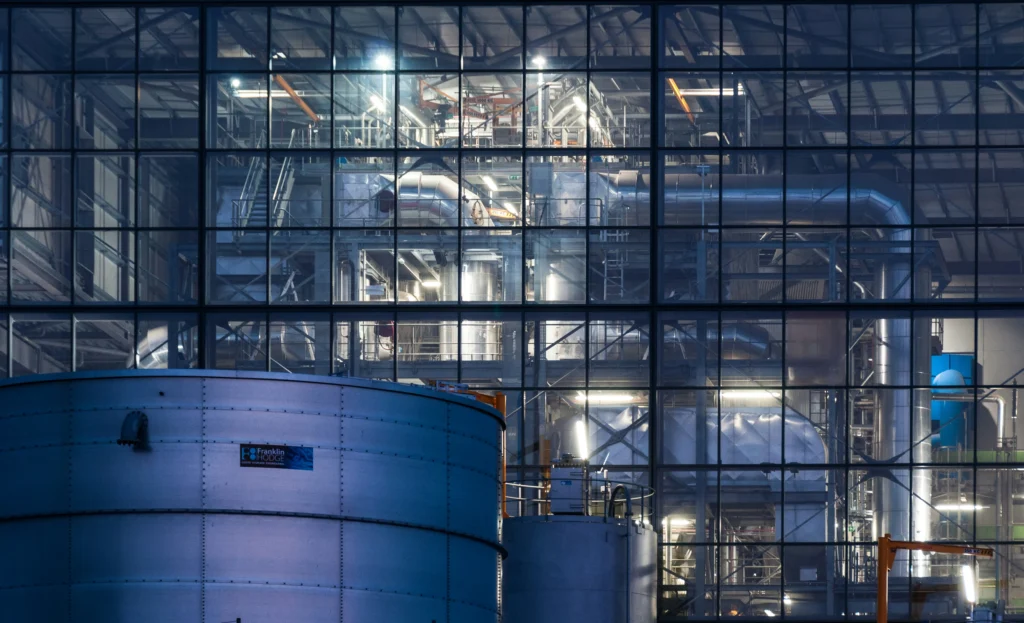
Strategic marine spatial planning minimizes conflict with shipping lanes, fishing grounds, and coastal habitats, ensuring environmental protection alongside massive clean power generation growth.
Which technical challenges must engineers overcome in marine environments?
Extreme weather conditions, saltwater corrosion, and high seabed construction costs represent significant engineering hurdles for building long-lasting artificial offshore energy islands in deep waters.
Learn more: Electric Transport Micromobility Grid Load Challenges
Developing durable high-voltage direct current equipment that operates reliably in high-salinity marine environments requires advanced materials science, continuous monitoring systems, and automated maintenance protocols.
Establishing secure subsea physical and cyber infrastructure protections remains essential, safeguarding national power grids against malicious interference, physical damage, and unexpected operational disruptions.
To explore global marine engineering standards and clean energy transition research, consult public datasets managed by the International Renewable Energy Agency.
Addressing these operational risks through rigorous simulation and testing ensures sustainable infrastructure longevity, establishing robust energy security for future generations across interconnected coastal nations.
When will offshore energy hubs become fully operational globally?
Pilot projects and initial construction phases scheduled throughout the late 2020s lay the necessary groundwork for commercial-scale energy island operations during the 2030 decade.
Read more: Car Bidirectional Charging Limits in Homes
Regulatory harmonization between neighboring countries accelerates interconnector permitting processes, helping joint energy ventures meet strict carbon neutrality timelines and renewable installation quotas.
Scaling up marine equipment manufacturing capabilities lowers supply chain bottlenecks, ensuring timely delivery of specialized converter platforms, subsea cables, and industrial hydrogen electrolyzers.
Understanding why Energy Islands Could Transform clean power networks globally provides valuable insights for utilities navigating complex energy transition pathways and modernizing transmission systems.
Continued investment in maritime grid innovation positions offshore energy hubs as foundational pillars for building sustainable, resilient, and carbon-neutral global power architectures.
Transforming the future of global renewable energy networks
Artificial energy islands represent a monumental leap forward in offshore renewable infrastructure development, interconnecting regional power markets while optimizing clean electricity distribution worldwide.
Learn more: Fleet Depot Upgrades Expanding Electric Truck Operations
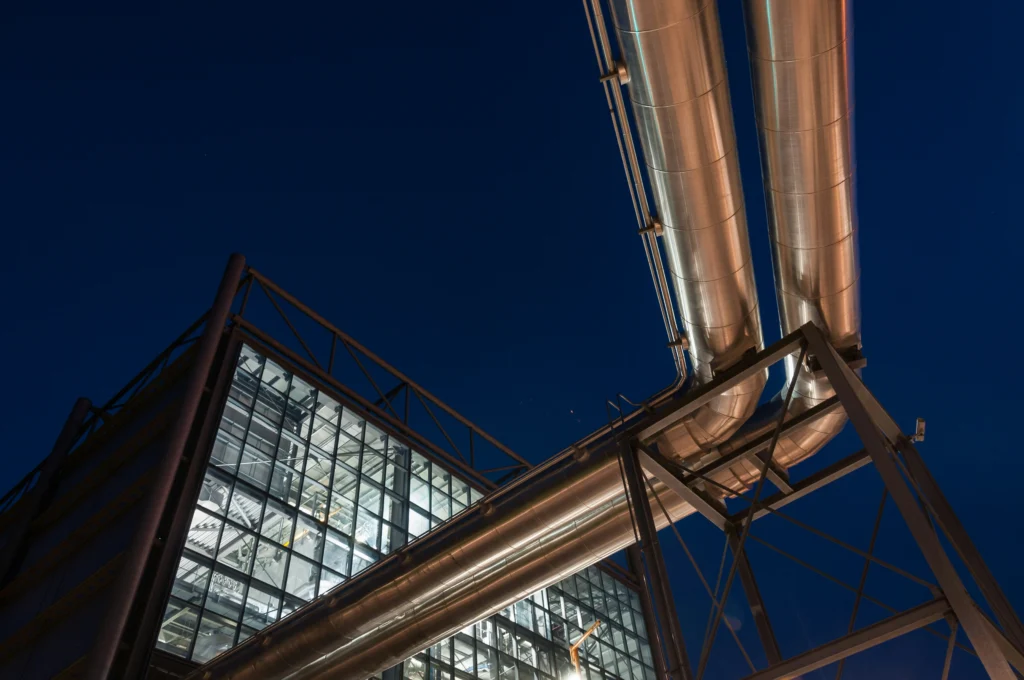
Centralizing transmission, energy storage, and green hydrogen production directly at sea resolves mainland grid constraints while accelerating the global transition away from fossil fuels.
Follow clean energy developments, support sustainable infrastructure policy, and explore how offshore technology innovations reshape the global transition toward zero-emission energy systems.
FAQ (Frequently Asked Questions)
What is the main advantage of an energy island over individual wind turbine platforms?
Energy islands aggregate power from multiple wind farms into single high-capacity HVDC subsea cables, significantly reducing transmission losses, equipment costs, and mainland grid congestion.
Can energy islands produce green hydrogen directly at sea?
Yes, energy islands can host industrial-scale electrolysis facilities that convert desalinated seawater into green hydrogen using surplus wind power, enabling efficient clean fuel transport ashore.
How do energy islands impact local marine ecosystems during construction?
Initial dredging and construction disturb local seabeds, but finished rock armors and caisson structures often create artificial reefs that support marine biodiversity over long operational lifetimes.
Are energy islands economically viable without government subsidies?
High initial capital expenditures currently require public funding support, but long-term cost reductions in offshore wind and power-to-X integration ensure future commercial self-sustainability.
