
Modular Battery Packs Changing Electric Motorcycle Ownership
The adoption of Modular Battery Packs Changing electric motorcycle ownership paradigms across urban environments allows riders to swap depleted power units instantly while eliminating long charging downtime completely.
Swappable power architecture fundamentally addresses range anxiety and high initial purchase costs, transforming zero-emission two-wheeler adoption from a niche enthusiast choice into a practical daily commuting strategy worldwide.
Understanding how removable energy modules alter maintenance routines, vehicle depreciation, and charging infrastructure helps prospective buyers evaluate two-wheeled electric mobility options with total technical clarity.
What are modular battery packs and how do they function?
Modular energy systems utilize standardized, lightweight lithium-ion power blocks designed for rapid manual removal from electric motorcycle frames without requiring specialized garage tools.
Instead of relying solely on heavy fixed onboard battery packs, riders carry one or more compact modules that power the electric motor collectively or independently.
These interconnected units connect seamlessly to onboard battery management software, balancing voltage discharge dynamically during acceleration while enabling convenient indoor charging from standard household wall outlets.
How does battery swapping eliminate charging downtime for urban riders?
Exchanging discharged modules at automated neighborhood swap stations provides fully replenished energy in less than thirty seconds, bypassing traditional public fast-charging waiting times entirely.
Commercial delivery fleets and daily commuters maintain continuous operational uptime by swapping depleted units during brief stops rather than parking near charging pillars for hours.
Embracing Modular Battery Packs Changing urban transport logistics reduces public grid strain, as automated swapping kiosks charge reserved batteries gradually during off-peak electricity hours.
To review official international electromobility standards and charging safety specifications, explore published documentation from the International Electrotechnical Commission.
Below is a detailed technical comparison evaluating fixed battery architectures against swappable modular systems across critical ownership, operational, and maintenance metrics for riders.
| Ownership & Technical Metric | Fixed Onboard Battery System | Swappable Modular Battery System |
| Average Replenishment Time | 30 to 120 minutes (Fast DC Charging) | 15 to 30 seconds (Manual Station Swap) |
| Initial Vehicle Purchase Price | High (Includes full battery cost upfront) | Moderate (Vehicle sold via Battery-as-a-Service) |
| Home Charging Flexibility | Requires dedicated garage or outdoor plug | Removable units charge at any indoor socket |
| Battery Degradation Risk | Borne entirely by individual motorcycle owner | Shared or managed via subscription provider |
Analyzing these architectural distinctions demonstrates how removable energy storage addresses core usability challenges, offering flexible power management tailored to diverse urban driving habits.
Why does the Battery-as-a-Service model lower upfront motorcycle prices?
Separating physical chassis purchases from chemical energy storage lowers initial showroom prices, placing electric motorcycles on equal financial footing with internal combustion alternatives.
Riders purchase the motorcycle frame and electric motor while subscribing to monthly energy plans that grant access to extensive battery swapping kiosk networks.
Subscription services eliminate personal financial risks associated with long-term battery cell degradation, ensuring subscribers always receive healthy, high-capacity modules at every swap station.
Which safety and standardization standards govern removable battery design?
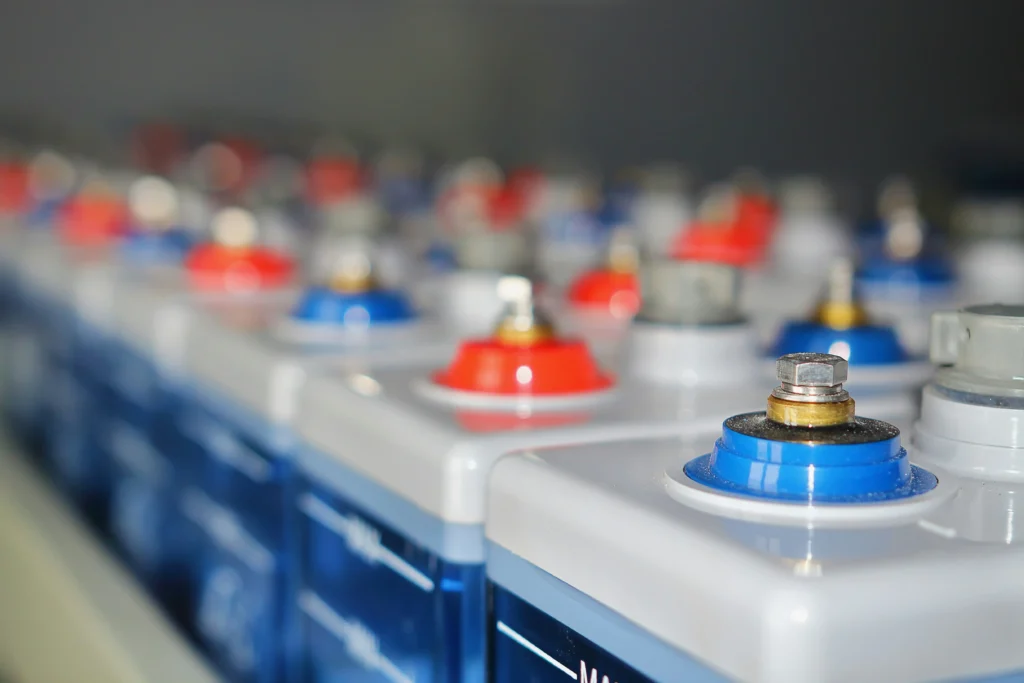
Global engineering consortia establish strict structural guidelines, mandating drop-tested weather-sealed enclosures, flame-retardant internal casing materials, and standardized physical connection points across manufacturers.
Unified connector standards ensure cross-brand compatibility, allowing different motorcycle models to utilize identical neighborhood swapping kiosks without requiring proprietary charging adapters.
Learn more: Battery Leasing Trends Supporting Electric Motorcycle Growth
Integrated battery management microchips monitor cell temperature, internal resistance, and voltage levels continuously, locking compromised modules automatically inside swapping stations to prevent hazardous thermal events.
To analyze global transportation electrification policies and environmental impact benchmarks, consult public energy reports published by the International Energy Agency.
Relying on Modular Battery Packs Changing commercial fleet operations ensures strict adherence to rigorous manufacturing standards, protecting riders during high-mileage daily deliveries in harsh weather conditions.
When will swappable power systems dominate the global two-wheeler market?
Rapid infrastructure expansion across densely populated Asian and European cities accelerates swappable technology adoption, setting the standard for light electric vehicle manufacturing worldwide.
Major motorcycle manufacturers actively form cross-industry alliances to unify battery dimensions, speeding up global deployment across consumer, commercial, and municipal transport sectors.
Integrating artificial intelligence into swapping networks optimizes battery distribution automatically, placing fully charged units where morning commuting demand peaks predictably.
Read more: Why Major Motorcycle Manufacturers Are Investing in Electrification
Investigating Modular Battery Packs Changing personal mobility choices highlights a permanent shift toward subscription-based, low-maintenance transportation that simplifies zero-emission riding significantly.
Adopting modular energy storage ensures your electric motorcycle remains technically relevant, supported by evolving battery chemistry upgrades without purchasing an entirely new vehicle.
A smarter path toward lightweight electric mobility
Swappable power architecture represents a transformative leap forward for two-wheeled transportation, delivering unparalleled convenience, lower entry costs, and total freedom from charging delays.
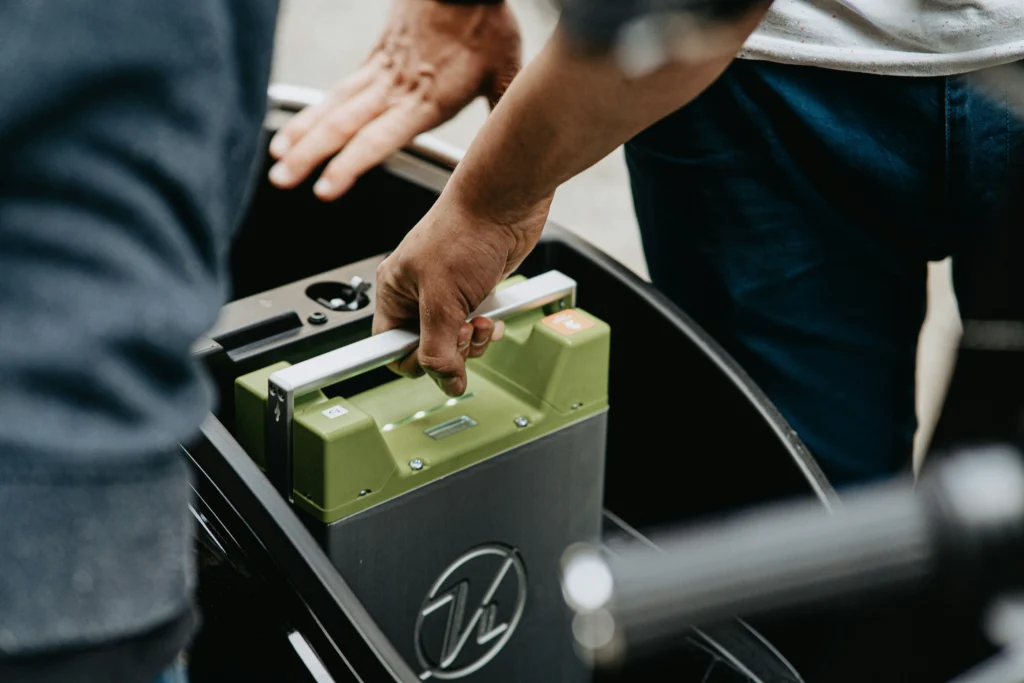
Decoupling battery ownership from vehicle purchase removes traditional adoption barriers, enabling riders to enjoy clean, high-performance urban commuting without long-term financial uncertainty.
Learn more: Energy Islands Could Transform Renewable Energy Networks
Explore swappable electric motorcycle models today, locate neighborhood swapping kiosks, and experience seamless zero-emission transportation built for modern city living.
FAQ (Frequently Asked Questions)
How heavy is a typical removable electric motorcycle battery module?
Most standardized removable battery modules weigh between 8 and 12 kilograms, featuring ergonomic carrying handles designed for easy manual transportation indoors.
Can I charge modular battery packs at home without visiting a swapping station?
Yes, modular batteries include portable desktop charging docks that plug directly into standard 110V or 220V household wall outlets for convenient overnight replenishment.
What happens if a battery module degrades after several years of use?
Under Battery-as-a-Service subscription models, degraded modules are retired automatically by network operators at swapping stations, ensuring riders always receive high-health batteries.
Are swappable batteries protected against theft when locked inside the motorcycle?
Yes, electric motorcycles feature internal electromagnetic locking mechanisms controlled via keyless ignition or smartphone applications, preventing unauthorized module removal when parked.
