
Fire Safety Rules Reshape Electric Motorcycle Charging Sites
Fire safety rules reshape electric motorcycle charging hubs worldwide, establishing rigid compliance standards to manage thermal runaway risks in dense urban environments.
Rapid growth in light electric mobility forces municipal authorities and commercial operators to replace informal outdoor charging racks with heavily regulated, climate-monitored infrastructure.
Navigating these regulatory shifts ensures that fleet managers and property developers protect high-density real estate while delivering safe, high-speed power replenishment for modern two-wheeler platforms.
What new compliance requirements impact electric two-wheeler charging hubs?
Modern municipal codes enforce strict separation distances between high-capacity battery swapping cabinets and adjacent structural walls to prevent potential fire propagation.
Engineers must integrate continuous off-gas detection sensors alongside thermal imaging cameras that automatically isolate electrical circuits before lithium-ion cells exceed critical temperature limits.
Current safety recommendations outlined by the National Fire Protection Association detail strict spatial clearances, mandatory emergency shutoffs, and enclosure ratings for public battery charging installations.
Mandatory fire safety rules reshape capital allocations for urban charging networks, compelling site developers to integrate active suppression systems into standard station design plans.
How do advanced safety protocols mitigate lithium-ion thermal runaway risks?
Battery charging stations utilize early off-gas sensors to detect volatile organic compounds released long before smoke or visible flames emerge from damaged battery packs.
Automated switchgear isolates connected chargers from the main electrical grid instantly, preventing short circuits from feeding additional current into compromised battery compartments.
| Safety Feature | Legacy Charging Stations | Modern Compliant Sites | Operational Impact |
| Thermal Monitoring | Passive heat fuses | Continuous infrared sensor arrays | Detects cell temperature anomalies in real time |
| Grid Isolation | Manual circuit breakers | Automated remote disconnection switches | Prevents electrical feedback into failing battery packs |
| Fire Compartmentalization | Single-wall metal cabinets | Double-walled, fire-rated modular barriers | Restricts thermal runaway to a single battery bay |
| Gas Venting | Uncontrolled side slots | Top-mounted directional exhaust ducts | Safely releases toxic off-gases away from pedestrians |
Why are municipal fire marshals focusing on urban battery swap stations?
High-density battery swapping kiosks concentrate massive amounts of stored energy within small physical footprints, increasing potential hazard levels in crowded commercial districts.
Urban swap stations operate continuously throughout the day, subjecting lithium-ion packs to rapid thermal cycling that accelerates mechanical wear on internal cell separators.
Learn more: How Battery Technology Is Powering Electric Micro-Transit
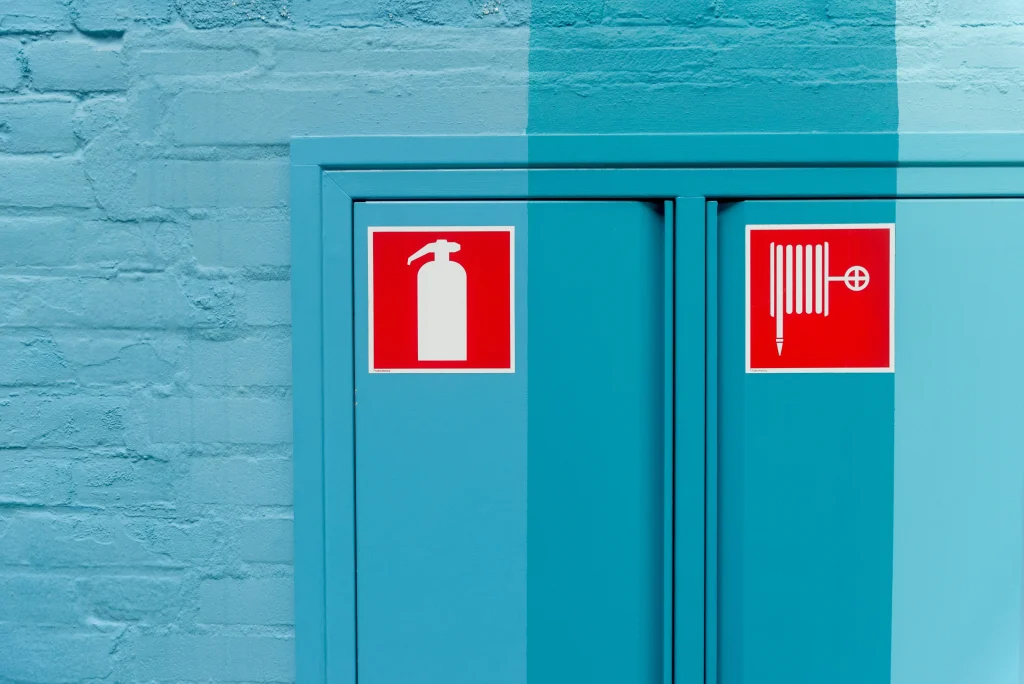
Dense commercial locations require specialized access corridors for emergency responders, ensuring firefighters can quickly isolate power sources without entering confined structural spaces.
Which structural design adaptations prevent catastrophic fire spread in garages?
Subterranean parking structures and indoor parking facilities mandate independent fire-rated walls capable of containing intense thermal events for at least two hours.
Read more: Micromobility Regulations Reshaping Electric Transport Networks
High-velocity ventilation systems direct toxic combustion byproducts out of enclosed parking levels, maintaining clear sightlines and breathable air for emergency response personnel.
Comprehensive building guidelines and technical hazardous material standards managed by the United States Geological Survey help urban planning boards evaluate geological and environmental risks for large-scale infrastructure projects.
When must commercial fleet managers upgrade existing charging infrastructure?
Facility managers must upgrade legacy charging sites before expanding fleet sizes beyond baseline grid limits to avoid violating local municipal fire codes.
Ignoring new structural requirements risks immediate operational shutdown orders, increased corporate liability insurance premiums, and voided commercial property leases.
Learn more: What Happens When an Electric Truck Breaks Down in a Remote Area?

Proactive retrofitting allows fleet operators to maintain steady commercial delivery schedules while ensuring full regulatory compliance across all regional distribution hubs.
Frequently Asked Questions (FAQ)
What triggers thermal runaway during electric motorcycle battery charging?
Overcharging, manufacturing defects, mechanical impact damage, and excessive ambient heat can compromise cell separators, triggering rapid internal overheating and self-sustaining combustion.
Are indoor electric motorcycle charging stations allowed in residential buildings?
Indoor charging is permitted only when facilities comply strictly with local fire codes, including dedicated circuit wiring, early fire detection, and proper ventilation systems.
How do fire-rated barriers protect surrounding commercial property?
Fire-rated compartmentalization barriers physically isolate burning battery cells, preventing high heat and direct flames from spreading to adjacent vehicles or structural support columns.
