
Electrified Water Transit Expanding Electric Transport Options
Analyzing how Electrified Water Transit Expanding clean mobility options reshapes urban mobility reveals a major shift toward zero-emission passenger ferries, hydrofoil technology, and sustainable harbor transport networks worldwide.
Coastal metropolises and riverfront cities increasingly turn to battery-electric vessels to alleviate traffic congestion, diminish localized noise pollution, and eliminate greenhouse gas emissions along aquatic transit corridors.
Modern marine engineering integrates lightweight composite hulls, high-density energy storage systems, and megawatt-level automated charging docks, establishing electric ferries as viable alternatives to conventional diesel vessels.
Evaluating these technological developments demonstrates how electric watercraft integrate seamlessly into broader multimodal urban transit networks while reducing long-term fleet operational costs for municipal transport operators.
How do electric passenger ferries transform urban commuter mobility?
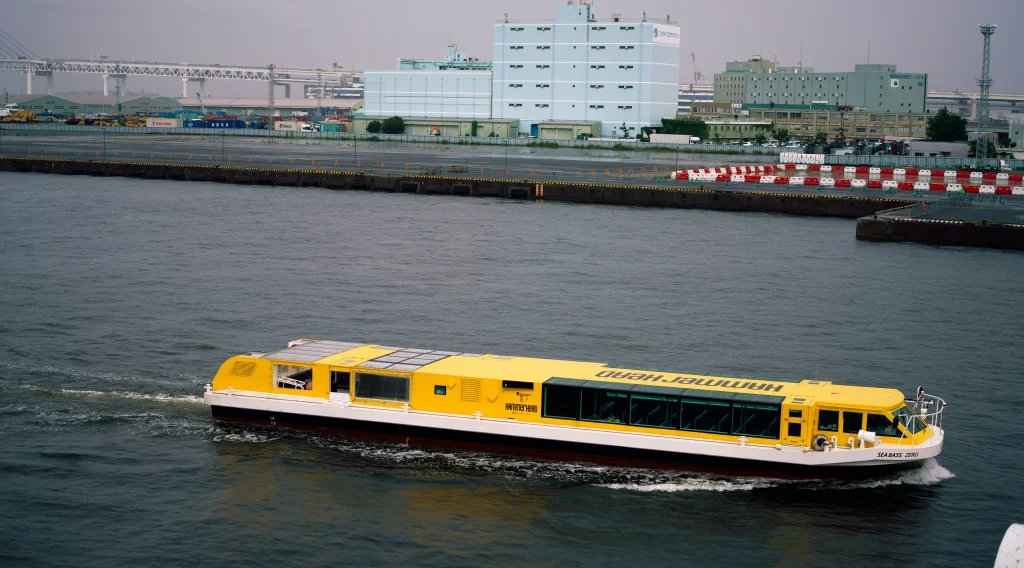
Electric ferries provide quiet, vibration-free passenger transport while delivering immediate environmental benefits through zero direct tailpipe emissions along heavily traveled urban waterways.
High-torque electric motors deliver instant acceleration, improving maneuverability in tight harbor channels and enabling precise docking operations during peak commuting hours across coastal metropolitan transit routes.
Municipalities in cities like Stockholm, Bangkok, and San Francisco deploy battery-powered vessels to convert underutilized rivers and bays into active transit corridors for daily commuters.
The momentum behind Electrified Water Transit Expanding regional transit connections illustrates how modern marine electrification resolves waterfront urban mobility challenges while curbing harbor emissions effectively.
What technical innovations drive the efficiency of zero-emission vessels?
Hydrofoil technology represents a major engineering breakthrough, lifting vessel hulls above water surfaces to reduce hydrodynamic drag by up to eighty percent during transit speeds.
Reduced friction lowers energy consumption dramatically, extending battery range and allowing electric hydrofoils to maintain high cruising speeds comparable to traditional diesel-powered water taxis.
Megawatt-scale automated charging stations integrated into passenger terminals replenish vessel battery banks rapidly during short passenger boarding intervals, eliminating extended operational downtime.
Advanced battery management software optimizes cell degradation, power distribution, and thermal conditions continuously, ensuring reliable daily performance under demanding maritime operating environments.
Technical Performance Matrix: Traditional Diesel vs. Electric Marine Transit
| Vessel Performance Parameter | Conventional Diesel Passenger Ferry | Modern Battery-Electric Ferry | Hydrofoil Electric Commuter Vessel |
| Operational Tailpipe Emissions | High ($CO_2$, $NO_x$, particulate matter) | Zero direct emissions during operation | Zero direct emissions during operation |
| Energy Consumption Efficiency | Lower efficiency due to combustion losses | High battery-to-propeller energy conversion | Maximum efficiency via reduced drag coefficient |
| Acoustic Noise Impact | Significant engine noise and hull vibration | Ultra-quiet electric drive performance | Minimal hull slap and silent drive operation |
| Maintenance & Overhaul Demand | High mechanical wear on engine parts | Reduced moving parts lowering upkeep | Low drive wear with specialized foil service |
Why are municipal authorities investing in electric marine fleets?
Decreasing battery cell costs combined with rising marine diesel expenditures make long-term total cost of ownership models highly favorable for battery-electric fleet acquisitions.
Urban environmental regulations and international maritime decarbonization goals compel port authorities to mandate zero-emission vessels within sensitive estuarine and river ecosystems.
Learn more: Exploring electric boats: Innovation in water transport
Electric propulsion systems contain fewer moving components than internal combustion engines, significantly reducing routine mechanical overhauls, oil changes, and unscheduled maintenance downtime.
Consult marine decarbonization guidelines, maritime electrification research, and global shipping regulations published by the International Maritime Organization (IMO) for regulatory frameworks.
Which charging infrastructure solutions support high-frequency ferry routes?
Automated robotic charging arms connect to shipboard receptors upon docking, delivering megawatt-level direct current power safely without requiring manual cable handling by terminal crews.
Buffer battery storage systems installed at maritime terminals store electricity during off-peak hours, preventing grid strain when fast-charging high-capacity ferries during peak morning shifts.
Read more: The Science Behind Hydropower: How Water Can Power the Future
Inductive wireless charging pads embedded in dock piers offer resilient alternative power transfer methods, protecting electrical connectors from harsh saltwater corrosion and wave motion.
Recognizing how Electrified Water Transit Expanding clean mobility infrastructure relies on grid modernizations helps urban planners integrate high-power marine charging terminals into municipal energy grids.
When will zero-emission watercraft replace conventional harbor fleets?
Urban ferry transit systems across Europe, East Asia, and North America rapidly replace aging diesel vessels with battery-electric models as fleet turnover cycles mature.
Regional governments incentivize clean maritime adoption through grants, public-private partnerships, and strict harbor emission caps, accelerating commercial vessel conversions across global waterways.
Learn more: Waterproof Battery Systems Enhancing Electric Motorcycle Safety
Future developments in solid-state batteries and hydrogen fuel cell hybrids will extend zero-emission vessel ranges, enabling longer coastal and inter-island passenger routes.
Explore technical transportation reports, clean mobility data, and urban transit initiatives managed by the U.S. Department of Transportation for further insights.
Frequently Asked Questions (FAQ)
How far can a modern electric ferry travel on a single battery charge?
Most urban electric ferries operate routes between ten and thirty nautical miles per charge, using fast shore charging during short passenger loading stops to maintain continuous daily service.
Are electric hydrofoil ferries safe in rough coastal water conditions?
Yes, automated flight control systems adjust hydrofoil angles hundreds of times per second, maintaining smooth vessel stability and passenger comfort even through moderate ocean swells.
How long do marine battery banks last under daily commercial ferry operation?
Commercial marine lithium-ion battery packs generally last between seven and ten years, supported by active thermal management and controlled fast-charging protocols to minimize cell degradation.
Can existing diesel ferries be retrofitted with electric drive systems?
Yes, shipyards regularly convert existing diesel vessel hulls by removing engine rooms and installing electric motors, battery banks, and modern power management electronics successfully.
Observing how Electrified Water Transit Expanding sustainable mobility options highlights the transformative potential of clean marine technology in modern cities. By combining zero-emission propulsion, innovative hydrofoil designs, and fast-charging infrastructure, electric watercraft deliver efficient, quiet, and sustainable public transit across urban waterways.
