
Mid Drive Motors Dominating Modern Electric Motorcycle Designs
Mid Drive Motors Dominating Modern electric motorcycle designs reflects a major engineering shift, as global manufacturers prioritize low center of gravity, central mass distribution, and optimal thermal management over hub-based configurations.
Engineers favor chassis-mounted powertrains because placing heavy electrical components between the wheels delivers vastly superior handling dynamics, reduced unsprung mass, and precise cornering control for high-performance riding across diverse road conditions.
What is a mid-drive motor and how does it function in electric motorcycles?
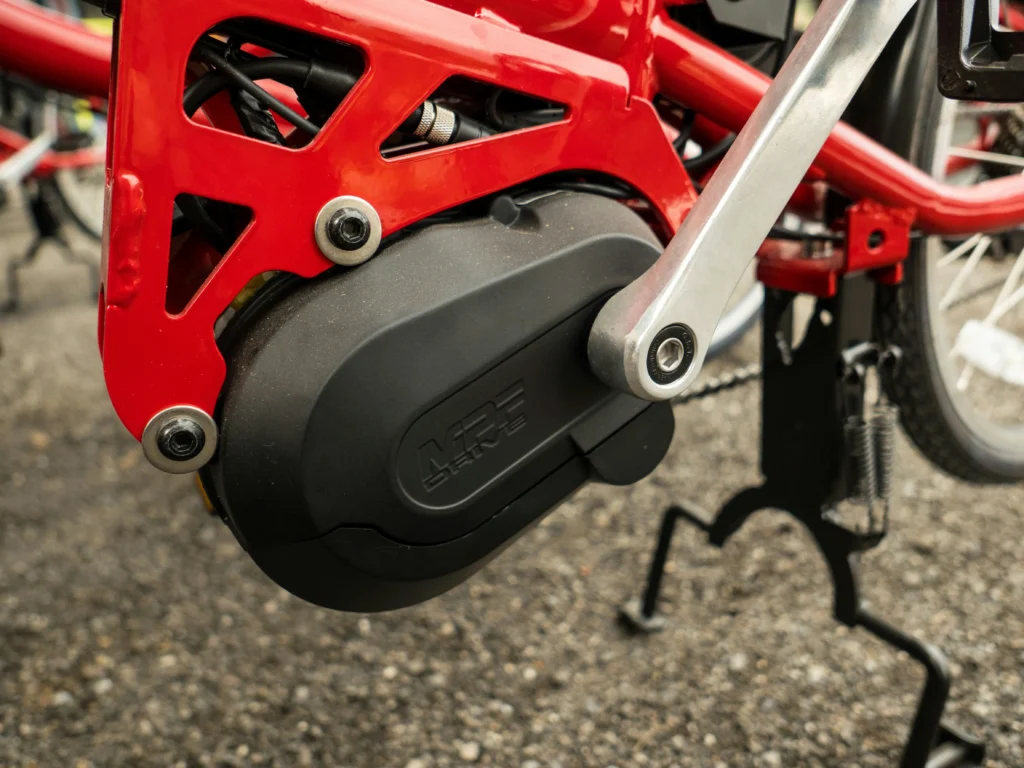
A mid-drive electric powertrain positions the motor chassis-internally near the swingarm pivot, transferring mechanical energy directly to the rear wheel through a chain, belt, or shaft drive system.
Housing the motor centrally separates the powertrain from the wheel assembly, protecting sensitive stator windings and electronic sensors from direct road impacts, severe vibration, and harsh environmental debris.
Internal placement allows manufacturers to pair mid-drive motors with primary reduction gearboxes, enabling electric power units to spin at higher, more efficient rotational speeds while maximizing torque output.
Understanding why Mid Drive Motors Dominating Modern lightweight urban streetbikes and off-road electric platforms requires evaluating how central weight distribution transforms handling agility and overall suspension responsiveness completely.
Balancing weight centrally reduces rotational inertia during rapid direction changes, allowing riders to flick heavy high-voltage motorcycles through tight corners with minimal steering input and maximum chassis stability.
How do mid-drive powertrains compare against hub motor configurations?
Hub motors combine the electric motor directly inside the wheel rim, offering mechanical simplicity but adding substantial unsprung mass that compromises rear suspension damping efficiency severely.
Mid-drive architectures isolate dynamic suspension components from motor weight, enabling shocks and forks to react instantly to road imperfections while maintaining consistent tire contact patches with asphalt.
The detailed reference table below outlines structural performance metrics, thermal dissipation traits, and maintenance considerations across major electric motorcycle drive systems operating in 2026:
| Engineering Parameter | Mid-Drive Powertrain System | Direct-Drive Rear Hub Motor | Geared Hub Motor Assembly |
| Weight Distribution | Centralized (Low polar inertia) | Rear-biased (Heavy unsprung mass) | Rear-biased (Moderate unsprung mass) |
| Peak System Torque | High (Multiplied by final drive ratio) | Moderate (Limited to 1:1 direct ratio) | Moderate-High (Internal planetary gear) |
| Thermal Dissipation | Superior (Chassis heat-sinking / Liquid) | Air-cooled (Susceptible to heat soak) | Air-cooled (Limited internal thermal pathway) |
| Suspension Damping | Optimal (Low unsprung wheel mass) | Compromised (Sluggish bump compliance) | Compromised (Elevated rear wheel weight) |
Selecting a chassis-mounted motor ensures riders experience predictable power delivery during aggressive acceleration, while keeping suspension components functioning precisely as frame designers originally intended.
Why does thermal management make mid-drive motors superior for performance?
High-performance electric riding demands continuous power delivery without triggering thermal throttling safeguards that limit acceleration, top speed, or battery discharge capabilities during extended high-speed runs.
Placing the powertrain within the main frame allowing manufacturers to integrate liquid cooling jackets, forced-air ducting, and dedicated thermal heatsinks directly connected to the motorcycle’s primary aluminum chassis.
To examine official vehicle engineering guidelines, efficiency standards, and alternative fuel vehicle technology metrics, review technical publications at the U.S. Department of Energy Alternative Fuels Data Center.
Recognizing that Mid Drive Motors Dominating Modern sportbike engineering stems from superior heat shedding helps riders choose platforms built for sustained highway cruising or competitive track environments.
Efficient heat dissipation prevents permanent magnet demagnetization, extends stator winding lifespans, and maintains high electrical efficiency across broad ambient temperature ranges and demanding riding conditions.
Which transmission and final drive options optimize mid-drive performance?
Mid-drive systems allow engineers to utilize carbon-reinforced drive belts for silent, maintenance-free urban commuting, or heavy-duty O-ring chains for maximum strength in demanding off-road riding.
Integrating multi-speed gearboxes or secondary reduction drives multiplies motor torque at low wheel speeds, generating explosive off-the-line acceleration without requiring excessively large, heavy electrical motors.
Read more: Fleet Depot Upgrades Expanding Electric Truck Operations
Variable gearing enables mid-drive motorcycles to maintain peak motor operating efficiency across both low-speed technical terrain and sustained high-speed freeway cruising conditions without overheating electrical components.
Separating motor speed from wheel speed reduces total current draw from the battery pack during steep hill climbs, effectively extending real-world riding range and preserving cell health over time.
Customizing final drive sprocket ratios gives riders control over their machine’s balance between maximum top speed and aggressive low-end acceleration to suit specific riding preferences perfectly.
When should riders select a mid-drive electric motorcycle over cheaper alternatives?
Commuters and enthusiasts seeking refined chassis dynamics, aggressive cornering stability, and high sustained speeds should invest in mid-drive architectures rather than basic urban hub-motor commuters.
Navigating technical off-road trails or participating in track days requires rapid suspension response and minimal unsprung weight, making mid-drive layouts essential for safety and precise vehicle control.
Read more: Energy Demand Peaks Created by Electric Truck Depots
To explore academic research, peer-reviewed engineering studies, and technical papers on electric vehicle powertrain efficiencies, visit the IEEE Xplore Digital Library.
Knowing how Mid Drive Motors Dominating Modern production lines influences resale value guides smart purchasing decisions, ensuring your investment aligns with long-term industry design trends.
Prioritizing balanced weight distribution, serviceable final drive components, and robust thermal management delivers a superior riding experience that traditional hub-driven platforms simply cannot replicate on the open road.
Experience the future of electric motorcycle engineering today
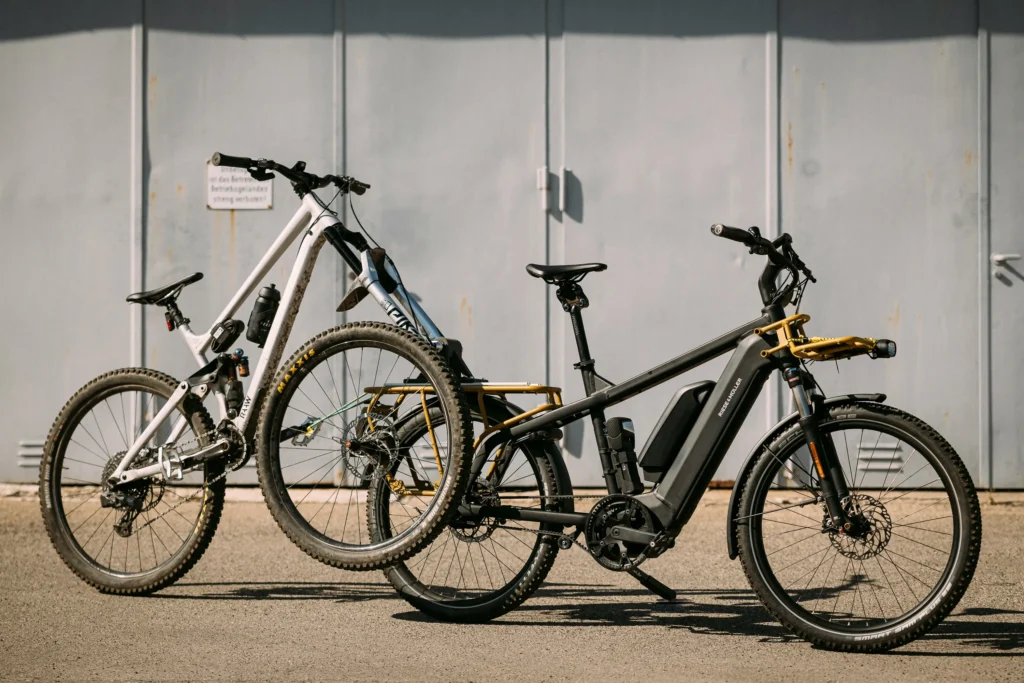
Embracing modern chassis-mounted electric powertrains grants riders access to unmatched throttle response, precise cornering stability, and superior thermal reliability across all riding conditions.
Learn more: The Future of Solid-State Batteries in Electric Motorcycles
Acknowledging Mid Drive Motors Dominating Modern electric motorcycle development highlights how central mass centralization transforms raw electrical power into an engaging, high-performance riding experience.
Explore test rides, compare final drive ratios, evaluate liquid-cooling options, and discover the thrill of mid-drive electric motorcycle performance on your favorite roads today.
FAQ (Frequently Asked Questions)
Why are mid-drive electric motorcycles generally more expensive than hub-motor models?
Mid-drive systems require complex frame engineering, secondary reduction gearboxes, custom mounting brackets, and final drive chains or belts, increasing manufacturing and assembly costs compared to self-contained hub wheels.
Does a mid-drive motor wear out chains and sprockets faster than a gas bike?
Electric motors deliver instant peak torque from zero RPM, which can accelerate chain and sprocket wear if riders use aggressive throttle inputs constantly without proper chain tension and lubrication maintenance.
Can mid-drive electric motorcycles feature regenerative braking?
Yes. Mid-drive systems utilize electronic controllers to reverse motor polarity during deceleration, transferring kinetic energy from the rear wheel through the belt or chain back into the battery pack safely.
Are mid-drive motors better suited for off-road and adventure riding?
Absolutly. Keeping heavy motor mass inside the frame protects electrical components from rock impacts and reduces rear wheel unsprung weight, allowing rear shocks to absorb harsh terrain impacts effectively.
