
Electric Pickup Trucks in Agriculture: Case Studies and Benefits
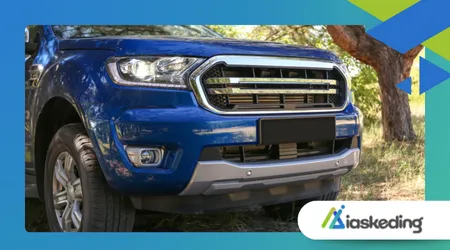
The agricultural sector is undergoing a silent but profound transformation, driven by the adoption of electric pickup trucks in agriculture.
No longer just a futuristic concept, these vehicles are proving their worth in real-world farming applications—delivering unmatched efficiency, sustainability, and cost savings.
Farmers face mounting pressures: volatile fuel prices, tightening environmental regulations, and the urgent need for operational efficiency.
Electric pickup trucks in agriculture present a compelling solution, combining rugged performance with zero emissions. But how exactly are they reshaping modern farming?
From solar-powered ranches to autonomous field operations, the shift toward electrification is accelerating.
This deep dive explores real-world case studies, financial advantages, and the challenges that remain.
The Silent Revolution on Farms
For decades, diesel engines dominated agricultural landscapes, their loud rumble a familiar soundtrack to farm life.
But the arrival of electric pickup trucks in agriculture is changing that.
The near-silent operation of EVs reduces noise pollution, making early-morning or late-night work less disruptive to both farmers and nearby communities.
The benefits extend beyond quietness. Unlike diesel trucks, electric models generate instant torque, providing superior towing and hauling capabilities even at low speeds.
This is particularly useful in tasks like transporting heavy feed, towing livestock trailers, or navigating uneven terrain.
Take, for example, a dairy farm in Wisconsin that switched to the Ford F-150 Lightning for daily operations.
++The Surprising Differences Between AC and DC Charging
The farm reported a 40% reduction in energy costs by charging during off-peak hours.
Additionally, regenerative braking—a feature that recaptures energy when slowing down—proved invaluable on hilly terrain, further extending battery life.
Another advantage? Reduced heat emissions. Traditional combustion engines release excess heat, which can be problematic in confined spaces like barns or greenhouses.
Electric trucks run cooler, improving both safety and comfort for workers.
Still, some skeptics argue that EVs can’t match the raw power of diesel.
++Understanding the Charging Curve of Commercial E-Truck Batteries
Yet, with models like the Tesla Cybertruck offering a towing capacity of over 14,000 lbs, that argument is quickly becoming outdated.
Why Agriculture Needs Electrification

The reliance on fossil fuels in agriculture is unsustainable. Diesel prices fluctuate unpredictably, eating into already tight profit margins.
Maintenance costs for combustion engines—oil changes, transmission repairs, exhaust system issues—add up quickly.
Electric pickup trucks in agriculture eliminate many of these pain points. With fewer moving parts, EVs require less maintenance.
++Are Electric Dump Trucks a Viable Solution for Construction Sites?
No oil changes, no spark plug replacements—just periodic battery checks and software updates.
A 2024 USDA report found that farms using electric vehicles reduced their energy expenses by an average of 34%. When paired with on-site renewable energy, such as solar panels, the savings can be even greater.
But the benefits aren’t just financial. Agriculture accounts for nearly 10% of U.S. greenhouse gas emissions, according to the EPA.
Transitioning to electric fleets can significantly reduce a farm’s carbon footprint, aligning with global sustainability goals.
Consider the case of a mid-sized almond farm in California. After switching to Rivian R1Ts, the farm not only cut fuel costs but also qualified for state-sponsored clean energy grants.
The trucks’ onboard power outlets even allowed workers to operate electric tools directly from the vehicle, eliminating the need for portable generators.
Of course, challenges remain. Rural charging infrastructure is still developing, and upfront costs can be a barrier.
Read more: The Costs and Benefits of Electric Trucks: A Synopsis of the U.S. Trucking Market
However, federal incentives like the Inflation Reduction Act’s Commercial Clean Vehicle Credit help offset initial investments, making the transition more accessible.
The Solar-Powered Ranch
The Garza family ranch in Texas is a prime example of how electric pickup trucks in agriculture can integrate seamlessly with renewable energy.
By pairing a Ford F-150 Lightning with their existing solar array, they created a closed-loop energy system.
During the day, excess solar power charges the truck. At night, the vehicle’s battery can even feed energy back into the farm’s storage system during peak demand.
This bidirectional charging capability turned their pickup into a mobile power bank.
The results? A 60% reduction in diesel expenses and near-total energy independence.
The ranch no longer worries about fuel shortages or price spikes, proving that sustainability and practicality can go hand in hand.
Vineyard Precision
Napa Valley’s delicate ecosystem demands precision. Heavy diesel vehicles can compact soil and disrupt microbial life, affecting grape quality. Enter the Rivian R1T—an all-electric solution.
Vineyard managers reported that the instant torque allowed for smoother navigation on steep slopes, reducing soil disturbance.
The lack of engine noise also meant fewer disruptions to wildlife, a critical factor in organic farming.
Additionally, the truck’s onboard air compressor proved invaluable for adjusting tire pressure on the fly, optimizing traction without damaging vines.
The Future Is Autonomous
Automation is the next frontier. Companies like Monarch Tractor are already testing self-driving electric tractors. Could autonomous electric pickup trucks in agriculture be next?
The potential is staggering. Imagine a fleet of self-driving EVs handling routine tasks—feeding livestock, transporting harvests, or even patrolling fences.
Labor shortages would become less crippling, and operational efficiency would skyrocket.
Electric Pickup Trucks in Agriculture: The Road Ahead
The evidence is clear: electric pickup trucks in agriculture are not just an alternative – they’re rapidly becoming the new standard.
As we’ve seen through real-world case studies, these vehicles deliver tangible benefits that go far beyond environmental friendliness.
They represent a fundamental shift in how modern farms operate, offering unprecedented efficiency, reliability, and cost savings.
What started as experimental adoption by early innovators has now gained mainstream momentum.
From Texas ranches to California vineyards, farmers are discovering that electric trucks can handle demanding agricultural work while slashing operational costs.
The combination of lower maintenance requirements, reduced fuel expenses, and available government incentives creates a compelling financial case that’s hard to ignore.
Yet the true potential extends beyond today’s applications. As battery technology continues to improve, we’re looking at future models with even greater range and faster charging capabilities.
The integration of vehicle-to-grid technology turns these trucks into mobile power stations, providing emergency backup during outages or peak demand periods.
Autonomous features on the horizon promise to address labor shortages while increasing precision in field operations.
The transition won’t happen overnight. Challenges like rural charging infrastructure and upfront costs remain real considerations.
But just as tractors replaced horses a century ago, electric vehicles are poised to redefine agricultural transportation.
Farmers who embrace this shift early will gain a competitive edge through lower operating costs and alignment with increasingly important sustainability standards.
The question isn’t whether electric pickup trucks in agriculture will become dominant, but how quickly the transformation will occur.
With major manufacturers expanding their electric truck lineups and charging networks growing steadily, all signs point to accelerated adoption in the coming years.
Frequently Asked Questions
1. Are electric pickup trucks powerful enough for farm work?
Absolutely. Modern models like the Tesla Cybertruck and Ford F-150 Lightning offer towing capacities rivaling diesel trucks.
2. What about charging in remote areas?
While rural charging infrastructure is still expanding, solutions like mobile solar chargers and battery-swapping stations are emerging.
3. How long do EV batteries last in harsh conditions?
Most manufacturers warranty batteries for 8 years or 100,000 miles. Real-world data shows minimal degradation even in extreme climates.
