
The Rise of Off-Grid Living With Solar Power
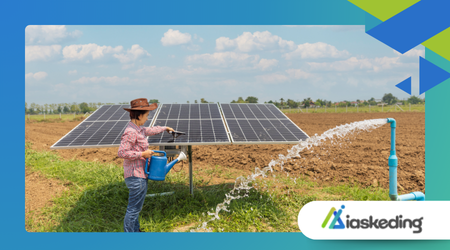
For decades, the idea of living without a connection to the conventional power grid seemed radical. It was often associated with extreme survivalists or remote communities.
However, advancements in solar technology have democratized this concept, making it accessible to a broader audience.
Today, reliable and affordable solar panels, efficient battery storage, and smart energy management systems have transformed what’s possible.
These innovations empower homeowners to generate, store, and utilize their own electricity. This newfound capability offers unparalleled freedom.
The motivation behind this transition is multifaceted. Some seek resilience against power outages.
Others are driven by a desire to reduce their carbon footprint. Still, more are simply looking for a more autonomous lifestyle.
The Economics of Energy Independence
Initially, the upfront cost of establishing an off-grid solar system could be a barrier. Yet, the long-term financial benefits are increasingly compelling.
Eliminating monthly electricity bills represents a significant saving over time.
Consider, for instance, a family in a rural area currently paying $200 a month for electricity. Over ten years, that’s $24,000.
An investment in solar might pay for itself in a fraction of that time, then deliver free power for decades.
Moreover, property values can increase with the addition of a robust off-grid system. It’s an attractive feature for buyers seeking sustainability and reduced living costs.
This makes it not just an expense, but a valuable asset.
+ Why Infrastructure Modernization Is Key to Green Energy
Technological Leaps: Beyond the Panel
The heart of off-grid living is the solar panel, but the nervous system is the battery storage. Modern lithium-ion batteries are more compact, efficient, and durable than their predecessors.
They can store ample energy for cloudy days or nighttime use.
Beyond batteries, sophisticated inverters convert the sun’s DC power into usable AC power for household appliances.
Smart energy monitors track usage patterns. They optimize energy distribution, ensuring maximum efficiency and minimal waste.
This integrated approach means a seamless energy supply, rivaling the reliability of grid-tied systems. Homeowners rarely notice a difference in performance.
This is a testament to the maturation of the technology.
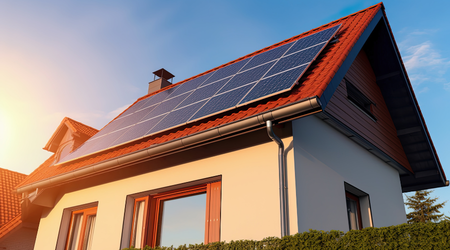
A Global Movement Towards Self-Sufficiency
The appeal of off-grid living transcends geographical boundaries. From remote cabins in the mountains to tiny homes in suburban backyards, the movement is gaining traction everywhere.
Each installation is a unique testament to individual ingenuity.
In developing nations, solar off-grid solutions are transforming lives by bringing electricity to areas previously without it.
This provides access to lighting, communication, and refrigeration, fostering economic development. It’s a powerful example of decentralized energy.
The versatility of solar power allows for tailored solutions. A small system might power a single cabin. A larger one could support a small community or an entire farm. The scalability is truly impressive.
+ How Cities Are Becoming More Sustainable
Real-World Examples of Off-Grid Success
Imagine the “Sunflower Sanctuary,” a completely self-sufficient eco-village in Arizona. Every home there runs entirely on solar power, with excess energy shared among residents.
They even power their community well and workshops this way.
Another example is “The Nomad’s Nest,” a custom-built RV equipped with high-capacity solar panels and a robust battery bank.
Its owner travels cross-country, working remotely and never needing to plug in. This showcases ultimate freedom.
These examples highlight the diverse applications and profound impact of solar independence.
They demonstrate that off-grid living isn’t a niche, but a viable, evolving lifestyle choice. It redefines what’s possible in modern living.
Navigating the Challenges of Off-Grid Living
While appealing, off-grid living isn’t without its considerations. Energy management becomes a daily practice. It requires mindfulness of consumption and an understanding of your system’s capacity.
Seasonal variations in sunlight can impact energy generation. Winter months or prolonged cloudy periods require careful planning and potentially larger battery banks.
This necessitates a proactive approach to energy use.
Maintenance, though minimal, is still a factor. Panels need occasional cleaning. Batteries have a lifespan and eventually require replacement. These are manageable tasks, not insurmountable hurdles.
+ How Battery Storage Is Changing the Renewable Energy Game
The Environmental Imperative
The environmental benefits of the rise of off-grid living with solar power are profound. It drastically reduces reliance on fossil fuels, cutting greenhouse gas emissions.
This directly combats climate change, one household at a time.
Furthermore, it minimizes the need for extensive transmission lines and large-scale power plants. This preserves natural habitats and reduces land degradation. It’s a distributed energy model.
By generating clean energy where it’s consumed, off-grid systems reduce energy loss during transmission.
This makes them inherently more efficient than traditional grid systems. It’s a win for the planet.
The Allure of Autonomy and Resilience
The feeling of being independent from external power sources is deeply empowering. It offers a sense of security and control. You are no longer vulnerable to grid failures or rising energy prices.
During natural disasters, when the conventional grid often goes down, off-grid homes remain powered. This resilience provides peace of mind.
It also offers a crucial lifeline for communication and essential services.
This shift isn’t merely about power; it’s about empowerment. It’s about taking charge of one’s own energy destiny. It fosters a connection to natural cycles and sustainable practices.
The Future is Bright: The Continued Rise of Off-Grid Living With Solar Power
The trajectory of off-grid living powered by solar is undeniably upward. As technology continues to improve and costs decrease, its appeal will only grow.
More people will discover the benefits of energy independence.
Innovations in energy storage, such as solid-state batteries, promise even greater efficiency and longevity.
The integration of artificial intelligence will further optimize energy management, making systems even smarter.
Consider the ongoing trend: In 2023, the U.S. Energy Information Administration (EIA) reported that residential solar installations continued their steady growth, indicating a clear consumer preference for localized renewable energy generation.
This trend strongly supports the increasing viability and popularity of off-grid solutions.
Read more: Living Off the Grid with Solar Panels: A Sustainable Energy Solution
A Thought-Provoking Question
If the sun provides an endless supply of clean energy, why would we choose to remain tethered to an aging, centralized grid? It’s a question worth pondering as we move deeper into the 21st century.
The analogy of a ship setting sail from a bustling harbor offers insight. The ship, once dependent on shore-based services, now carries its own provisions and power.
It navigates independently, truly free. This is the essence of off-grid living.
Preparing for Your Off-Grid Journey
For those considering this path, thorough planning is key. Assess your energy needs meticulously. Consult with reputable solar installers who specialize in off-grid systems.
Understand local regulations and permits. While off-grid, some areas still have building codes or interconnection requirements for hybrid systems. Education is your greatest asset in this endeavor.
Start small, if necessary, and expand your system over time. Many begin with a partial off-grid setup and gradually transition to full independence. It’s a journey, not just a destination.
The rise of off-grid living with solar power is more than a trend; it’s a movement towards a more sustainable, resilient, and autonomous future.
It offers an intelligent and responsible way to live, benefiting both individuals and the planet. It’s time to consider unplugging.
FAQ
1. What is the typical lifespan of an off-grid solar system?
A well-maintained off-grid solar system can last for many years.
Solar panels typically have a warranty of 20-25 years, while batteries might need replacement every 5-15 years depending on the type and usage. Inverters usually last 10-15 years.
2. Is off-grid living legal everywhere?
The legality of off-grid living varies by location. Some areas have specific zoning laws or building codes that might impact your ability to disconnect entirely from the grid.
Always check local regulations before planning an off-grid setup.
3. How much does it cost to set up an off-grid solar system?
The cost can vary significantly based on your energy needs, the size of your home, and the components chosen. A small system for a tiny home might cost a few thousand dollars, while a large system for a family home could range from $30,000 to $70,000 or more, not including installation.
4. Can I still have modern appliances in an off-grid home?
Absolutely. With a properly sized solar system and sufficient battery storage, you can power all standard modern appliances, including refrigerators, washing machines, computers, and televisions.
Energy-efficient appliances are highly recommended.
5. What are the main benefits of off-grid solar living?
The primary benefits include energy independence, significant savings on utility bills over time, reduced carbon footprint, increased resilience during power outages, and a greater sense of self-sufficiency.
6. Are there specific types of batteries recommended for off-grid systems?
Lithium-ion batteries are currently the most popular choice due to their high energy density, long cycle life, and minimal maintenance.
Lead-acid batteries are a more affordable option but require more maintenance and have a shorter lifespan.
7. How do off-grid systems handle cloudy days or winter months?
Off-grid systems are designed with battery banks that store excess energy generated on sunny days.
For prolonged periods of low sunlight, systems are typically oversized with panels and batteries, or a backup generator (often propane or diesel) might be used to supplement power.
