
How Electric Public Transport Is Reducing City Pollution
Electric public transport is reducing city pollution by transforming urban corridors into cleaner, quieter, and significantly healthier environments for millions of global citizens.
As metropolitan areas struggle with dense smog and rising respiratory conditions, upgrading transit networks provides an immediate remedy.
Replacing fossil-fuel fleets with battery-powered alternatives cuts street-level emissions and lowers the overall environmental footprint of communal transit.
What Is the Real Impact of Transit Electrification on Urban Air Quality?
Metropolitan centers worldwide frequently grapple with dense particulate matter and nitrogen oxides trapped between high-rise buildings.
This concentrated air pollution presents severe health risks for pedestrians, cyclists, and commuters who navigate heavily congested central business districts daily.
Introducing battery-powered transit networks directly eliminates tailpipe exhaust, offering an immediate drop in hazardous airborne chemicals along major roadways.
There is a common misunderstanding that shifting from private cars to conventional transit solves every environmental crisis.
While high-occupancy diesel buses reduce overall traffic volumes, their heavy-duty engines still release immense amounts of localized carbon dioxide and soot.
Transitioning these massive municipal fleets to fully zero-emission drivetrains ensures that mass transit delivers true, uncompromising ecological benefits to local neighborhoods.
The elimination of engine combustion also delivers a dramatic reduction in urban noise pollution, which is an overlooked aspect of city livability.
Quieter streets lower stress levels among residents and create more inviting outdoor public spaces. Reclaiming urban centers from the constant roar of traditional combustion engines reshapes the overall quality of daily city life.
How Does a Fleet Transition Maximize Energy Efficiency and Public Health?
Battery-electric propulsion systems demonstrate unmatched energy efficiency compared to their internal combustion counterparts.
Traditional diesel engines waste roughly seventy percent of their fuel energy as ambient heat rather than forward movement.
Electric motors convert over eighty-five percent of stored electrical energy into physical traction, making them the most resource-conscious choice for stop-and-go urban routes.
This operational efficiency costmanages municipal budgets by lowering long-term fuel expenditure and stabilizing operational overhead across transit networks.
Regenerative braking technology allows heavy electric buses to capture kinetic energy during slowing cycles and pump it straight back into the battery bank.
This continuous energy recovery system extends route ranges while significantly reducing wear on mechanical braking components.
The systemic reduction in urban fine particles correlates directly with dropping emergency hospital admissions for chronic asthma and cardiovascular distress.
Major capital commitments, such as the comprehensive transit funding packages approved by the World Bank, focus heavily on cleaning dense municipal corridors.
Investing in cleaner propulsion networks acts as a proactive healthcare strategy for millions of vulnerable urban residents.
Why Do Modern Cities Prioritize Electric Buses Over Traditional Diesel?
Decarbonizing municipal bus routes yields much faster environmental results than waiting for every private vehicle owner to buy an electric car.
A single transit bus logs significantly more mileage each year than a standard commuter vehicle, amplifying its individual carbon footprint.
Electrifying these high-utilization public fleets maximizes the emission abatement value of every dollar invested by local government bodies.
Many critics point out that the environmental benefits depend heavily on the cleanliness of the surrounding electrical grid.
While coal-dependent regions reduce local tailpipe toxins, their total lifecycle footprint remains linked to fossil-fuel production facilities.
However, global grids are incorporating solar, wind, and hydro assets at unprecedented speeds, ensuring that electric vehicles grow cleaner every year.
Procurement mandates and strict emission boundaries established across regions are driving rapid manufacturing innovations in the heavy-duty sector.
Learn more: How Safe Are Electric Public Transport Options?
Advanced technical metrics regarding fleet deployments and international adoption trends are detailed in the current analytical data provided by the International Energy Agency (IEA).
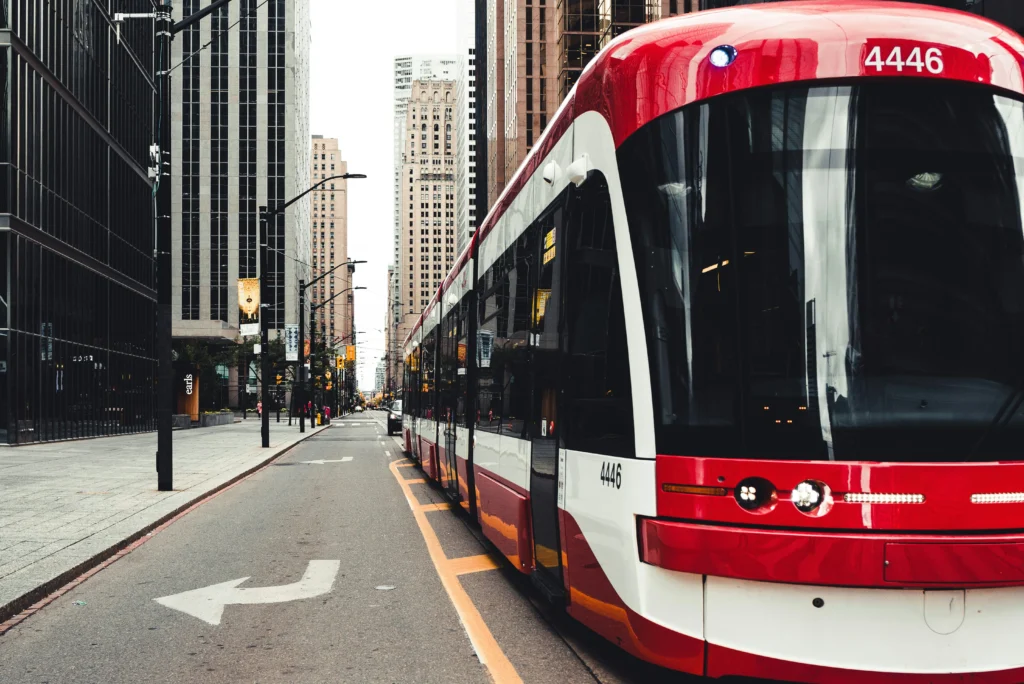
These global shift patterns demonstrate that the transition toward cleaner municipal networks is permanent and accelerating.
Comparative Emissions and Market Share Data of Transit Systems
The ecological performance of a mass transit system is shaped heavily by its underlying vehicle engineering and power source.
Read more: Electric buses and e-mobility in public transit: the future of zero-emission cities
Recent global tracking statistics demonstrate how zero-emission vehicle adoptions compare to outdated fossil-fuel frameworks.
| Vehicle Type and Powertrain | Tailpipe Air Pollutants | Relative Energy Efficiency | Global Sales Growth Trend |
|---|---|---|---|
| Battery-Electric Bus (BEB) | Absolute Zero | Very High (Over 85%) | Expanding (Up 12% Year-on-Year) |
| Euro VI Diesel Bus | Low (But Highly Localized) | Low (Around 30% to 35%) | Declining in Municipal Tenders |
| CNG / Hybrid Bus | Moderate | Moderate (Around 40%) | Stagnant Transition Phase |
Steering Urban Areas Toward Cleaner Commutes
Upgrading municipal transportation infrastructure is the fastest path to constructing resilient, climate-conscious communities.
Combining smart route planning with advanced high-capacity charging terminals protects city populations from breathing toxic fumes.
The global shift toward electric mass transit guarantees that the future of urban mobility remains quiet, efficient, and thoroughly sustainable.
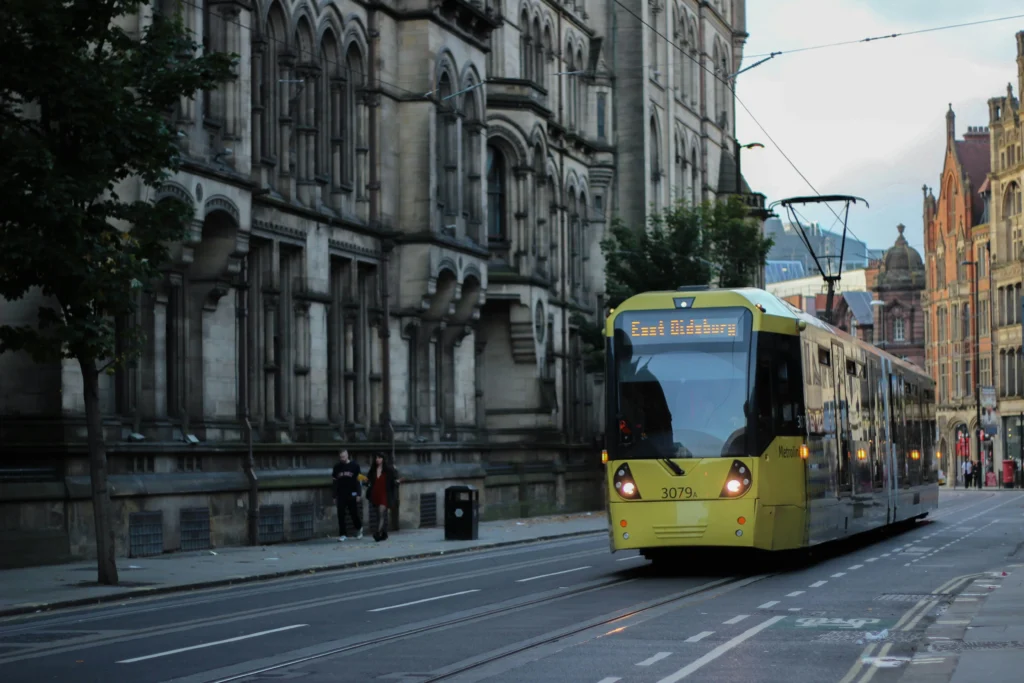
Learn more: Transport Public Charging Access Inequality
Ensuring that electric public transport is reducing city pollution requires continuous policy support and long-term public infrastructure development.
Every diesel powertrain retired from active service safeguards urban air quality for generations of commuters. Prioritizing zero-emission community assets transforms our expanding cities into healthier, more vibrant places to live.
Frequently Asked Questions (FAQ)
How do electric transit buses charge their batteries during daily routes?
Most fleets utilize a combination of overnight depot charging and rapid opportunity chargers located at terminal stops. Overhead pantograph systems can deliver massive power boosts in under ten minutes while passengers board, extending vehicle ranges indefinitely.
Are electric buses able to operate effectively in extreme weather conditions?
Yes, modern thermal management systems regulate battery temperatures to maintain performance in freezing winters or blistering summer heat waves. While cabin climate control demands can reduce total range, advanced battery chemistries ensure consistent route completion.
What happens to heavy-duty transit batteries when they degrade?
When a battery pack drops below eighty percent capacity, it is retired from active transit duty and enters a secondary life phase. These packs are repurposed for stationary grid storage, absorbing renewable solar and wind energy before final recycling.
Is the initial cost of an electric bus higher than diesel models?
Electric buses carry a higher upfront purchase price primarily due to the cost of large-scale battery manufacturing. However, they achieve financial parity over time through significantly lower fuel expenses and reduced mechanical maintenance requirements.
The IEA Heavy Mobility Analysis offers deeper macro insights into the manufacturing developments, battery supplies, and policy frameworks driving the electrification of commercial truck and bus fleets worldwide.
