
Transport Public Charging Access Inequality
Public Charging Access Inequality remains a critical roadblock on the global highway toward complete transport electrification.
While metropolitan areas and affluent neighborhoods witness a rapid influx of high-speed charging plazas, low-income and rural communities are systematically left in the shadows.
This geographic and economic imbalance creates distinct charging deserts, threatening to stall the transition to sustainable mobility.
As municipal leaders and urban planners push for ambitious zero-emission targets, addressing the systemic disparities in public vehicle refueling infrastructure must become a top social priority.
What is public charging access inequality?
The unequal distribution of vehicle electrification infrastructure across different socioeconomic regions defines Public Charging Access Inequality.
Market forces naturally drive private charge point operators to install hardware where electric vehicle ownership is currently highest.
Consequently, high-income zip codes receive the bulk of fast-charging infrastructure, while lower-income neighborhoods face severe resource stagnation. This uneven distribution pattern creates localized geographic gaps known as charging deserts.
This structural loop prevents a broader demographic from transitioning to electric transport due to legitimate range anxiety.
Addressing this imbalance involves recognizing that public infrastructure serves as a necessary social utility, rather than just a luxury amenity for affluent suburban drivers.
Why are low-income and rural neighborhoods becoming charging deserts?
Commercial charging providers prioritize installation sites that offer quick, consistent profitability to offset high hardware acquisition and grid connection expenses.
Because early electric vehicle adoption correlates strongly with high disposable incomes, private investment naturally clusters around upscale shopping hubs and premium residential developments.
Rural regions present a distinct hurdle, as sprawling geography and lower population densities mean fewer daily transactions for corporate operators.
According to data tracking global deployment trends from the International Energy Agency (IEA), the majority of global public charger growth remains concentrated in primary urban commercial hubs.
This economic reality leaves rural drivers with fewer options, effectively cutting off large swathes of the population from the direct financial benefits of cheaper electric fuel.
How does housing architecture worsen charging disparities?
Residential architecture plays a decisive role in determining an individual’s reliance on the surrounding public infrastructure network.
Wealthier vehicle owners typically live in single-family homes with dedicated driveways or private garages, allowing for cheap, convenient overnight charging.
Conversely, residents in dense urban zones often inhabit multi-family complexes, rental apartments, or terraced housing lacking assigned parking spaces.
These urban drivers depend entirely on local curbside stations or commercial charging plazas, which frequently charge much higher premium rates.
This fundamental architectural divide means that the individuals who would benefit most from reduced vehicle operational costs face the highest financial barriers to access.
Which economic metrics define the current infrastructure gap?
Analyzing the spatial layout of vehicle charging ports reveals a sharp contrast between high-income suburbs and historically marginalized communities.
Market research highlights that private operators follow premium real estate markers, which heavily impacts localized charger density metrics.
To review the structural layout of this current resource distribution, examine the updated data breakdown below:
Global Charger Density and Socioeconomic Allocation
| Socioeconomic Status of Area | Public Charging Ports per 10,000 Residents | Average Power Output Type | Dominant Property Type Found | Primary Charging Method Used |
| Top 20% Income Bracket | 7.0 to 21.0 | Ultra-Rapid (150kW+) | Single-Family Homes / Luxury Condos | Private Garage / Rapid Hubs |
| National Urban Average | 2.94 | Standard (7kW – 22kW) | Mixed Residential / Commercial | Curbside Parking / Retail Lots |
| Lowest 20% Income Bracket | Less than 1.87 | Standard AC (Under 7kW) | Multi-Family Rental Apartments | Public Plazas / Street Hubs |
| Rural and Remote Counties | Minimal to Zero | Standard Plus (8kW – 50kW) | Sprawling Farms / Isolated Towns | Highway Transit Plazas Only |
The baseline numbers confirm that low-income areas suffer from both lower unit availability and significantly slower charging hardware speeds.
Read more: How Safe Are Electric Public Transport Options?
This systemic hardware deficit forces economically vulnerable drivers to spend more time waiting for their vehicle batteries to replenish.
How can targeted policy changes solve the infrastructure crisis?
Solving Public Charging Access Inequality requires moving away from purely market-driven deployment models toward equity-centered municipal frameworks.
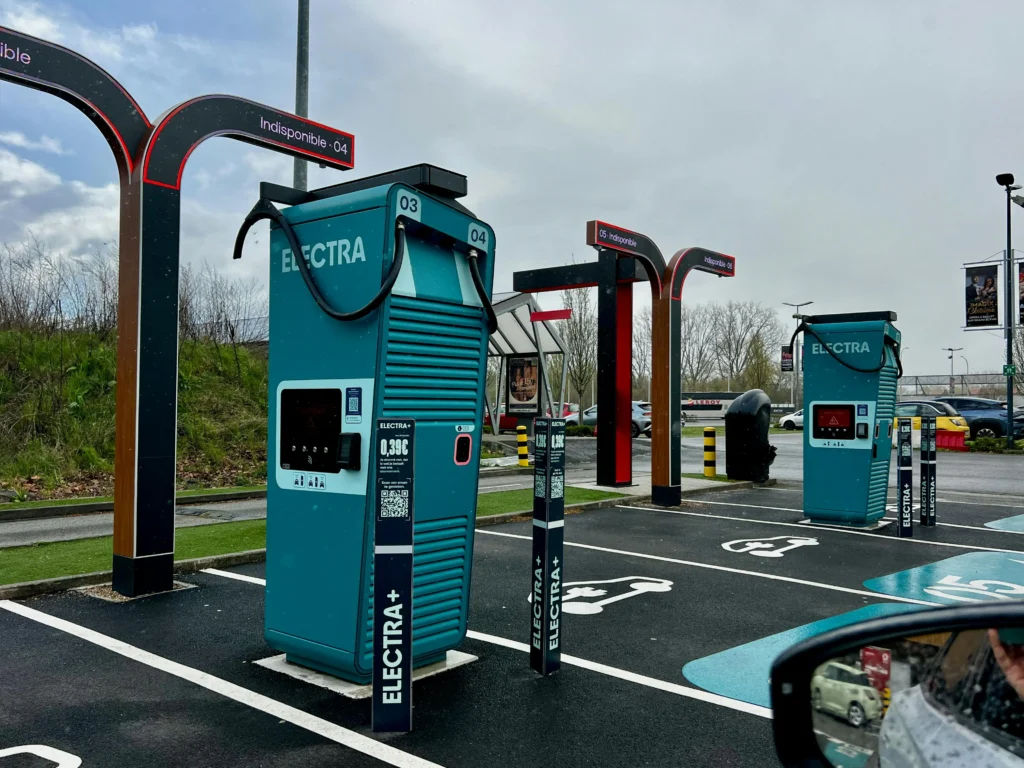
Government grants can include strict stipulations requiring corporate funding recipients to allocate a specific percentage of new stations to disadvantaged areas.
Read more: Electric buses and e-mobility in public transit: the future of zero-emission cities
To evaluate regional infrastructure planning, consumer readiness trends, and global network reliability indexes, consult the automotive research published by S&P Global.
Introducing specialized municipal parking permits combined with low-cost curbside utility-pole charging points can also protect renters from predatory commercial pricing.
By subsidizing grid upgrade costs in neglected zip codes, regional authorities remove the main financial barrier that keeps private operators from building outside wealthy sectors.
Moving toward a truly equitable transport future
Overcoming systemic infrastructure bias remains essential for creating a democratic, sustainable, and reliable zero-emission transportation network.
True progress in the electric mobility sector cannot be measured solely by the total number of chargers installed globally, but by how fairly those chargers are distributed across society.
Learn more: Electric Car NACS Charging Standard Expansion 2026
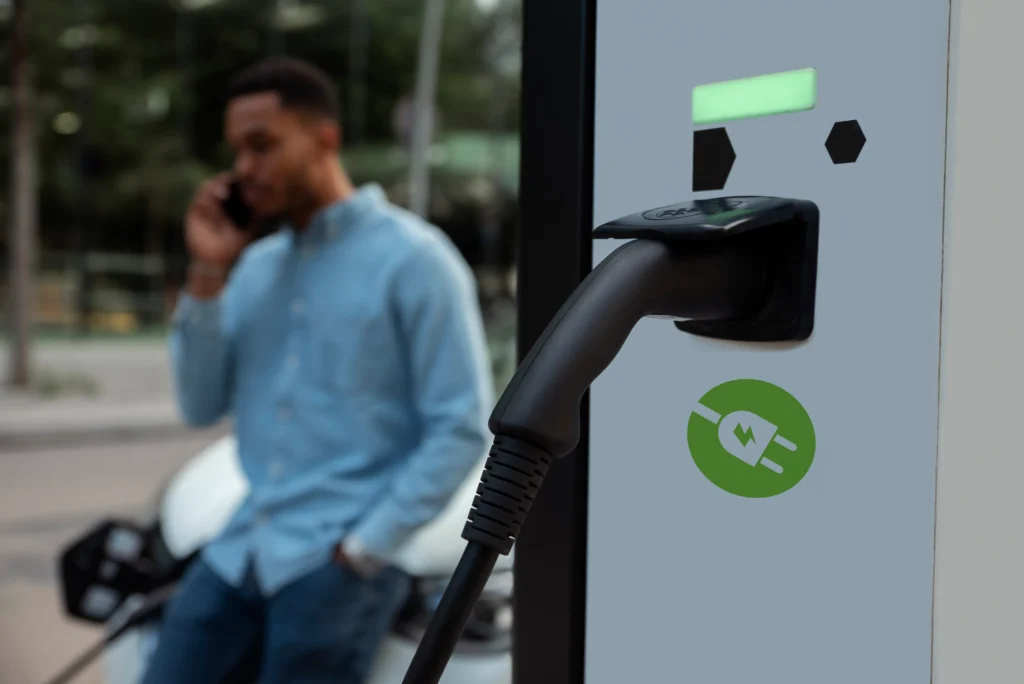
Prioritizing social equity over short-term corporate profitability allows urban developers to ensure that the clean energy transition includes every motorist.
Eliminating geographic charging deserts protects marginalized communities from bearing the environmental brunt of fossil-fuel transit while being shut out of clean technology.
True environmental progress requires building an accessible transport framework that supports every neighborhood equally.
Frequently Asked Questions (FAQ)
Why is public charging more expensive for apartment renters than for homeowners?
Homeowners utilize residential electricity rates, which represent the cheapest energy costs available. Renters without private garage space must use commercial networks that include added corporate profit margins, maintenance costs, and high demand-utility fees.
What is a charging desert, and how does it hurt local economies?
A charging desert is an area entirely lacking accessible public vehicle charging options. These infrastructure gaps isolate local businesses, as electric vehicle drivers actively avoid shopping, dining, or traveling through regions where they cannot plug in.
How do ultra-fast chargers help reduce regional access disparities?
Ultra-fast stations deliver massive amounts of power in under twenty minutes, mimicking the quick turnaround of traditional gas stations. Installing these high-speed systems in low-income hubs helps drivers who lack the ability to charge overnight at home.
Can used electric vehicle buyers succeed without dedicated home charging options?
Used vehicle buyers can transition successfully if their local municipality invests heavily in reliable, low-cost curbside street chargers.
Without this specific public support, the total cost of relying entirely on expensive commercial stations diminishes the financial appeal of a used vehicle.
