
Charging Reliability Challenges Facing Electric Transport Users
The Charging Reliability Challenges Facing electric vehicle drivers in 2026 highlight a critical gap between vehicle technology and public infrastructure readiness.
While automakers produce vehicles with extended battery ranges, public fast-charging stations frequently suffer from broken plugs, screen freezes, and payment processing errors.
Resolving these operational vulnerabilities is essential to convince mainstream consumers to abandon internal combustion engines permanently.
This technical analysis explores the root causes of charging network downtime, providing realistic solutions for fleet managers and everyday drivers navigating the current public network.
Why do hardware failures plague public fast-charging stations so frequently?
High-power direct current fast chargers experience immense thermal stress because they push up to three hundred and fifty kilowatts of energy into vehicle batteries.
This extreme heat requires liquid-cooling systems within the dispenser cables, which can leak over time and trigger automatic safety shutdowns.
Additionally, public dispensers stand exposed to harsh weather conditions, including freezing winter temperatures and intense summer heat waves.
Dust, moisture, and rough handling by consumers accelerate the degradation of delicate electronic pins inside the heavy plug connectors.
The structural Charging Reliability Challenges Facing regional transit systems often stem from poor routine maintenance schedules by third-party network operators.
Without proactive on-site technical inspections, minor wear on physical holsters turns into permanent component failures that leave drivers stranded without power.
How does software fragmentation cause handshake errors between vehicles and chargers?
Succeeding in a charging session requires a flawless digital handshake between the car’s battery management system and the station’s operating software.
If the cloud-based verification systems experience latency, the communication cycle fails, prompting an immediate error code on the dashboard.
Furthermore, the public grid remains divided among dozens of competing operators, each requiring independent smartphone applications or custom RFID cards.
This lack of universal integration frustrates users who expect a seamless payment experience similar to traditional gas stations.
To analyze the ongoing development of standardized communication protocols, interoperability testing guidelines, and global green transport infrastructure regulations, the reference portal of the Society of Automotive Engineers (SAE International) provides comprehensive engineering resources.
| Common Infrastructure Fault | Real-World Failure Share | Root Engineering Cause | Recommended Driver Workaround |
| Payment Terminal Freeze | 28% of reported errors | Unresponsive regional cellular links | Utilize network smartphone apps |
| Internal Thermal Fault | 22% of reported errors | Liquid-cooling pump mechanism leaks | Move to lower-kilowatt cabinets |
| Broken Connector Pins | 19% of reported errors | physical drop damage from consumers | Inspect the plug housing visually |
| BMS Handshake Timeout | 17% of reported errors | Outdated station firmware packages | Restart the car’s ignition cycle |
What role do power grid limitations play in localized station down-time?
When multiple electric trucks and passenger vehicles connect to a single station simultaneously, the local utility transformer faces an intense demand spike.
If the surrounding electrical grid lacks sufficient capacity, the charging station must throttle output speeds to protect the hardware.
This unexpected power reduction prolongs wait times, throwing off tight commercial delivery schedules and personal travel plans alike.
In extreme cases, localized voltage fluctuations trigger safety breakers within the dispensers, causing ongoing charging sessions to disconnect completely without warning.
Managing the Charging Reliability Challenges Facing fleet logistics operations requires investing in dual-source setups that combine grid power with on-site battery storage banks.
These localized batteries buffer the energy demand, ensuring stable fast-charging speeds even during peak afternoon grid hours.
When will regulatory mandates force operators to improve uptime performance?
Government bodies are transitioning away from merely funding new station construction toward enforcing strict operational uptime requirements for existing infrastructure.
Financial grants are becoming tied to verified ninety-seven percent equipment availability, forcing networks to improve their repair logistics.
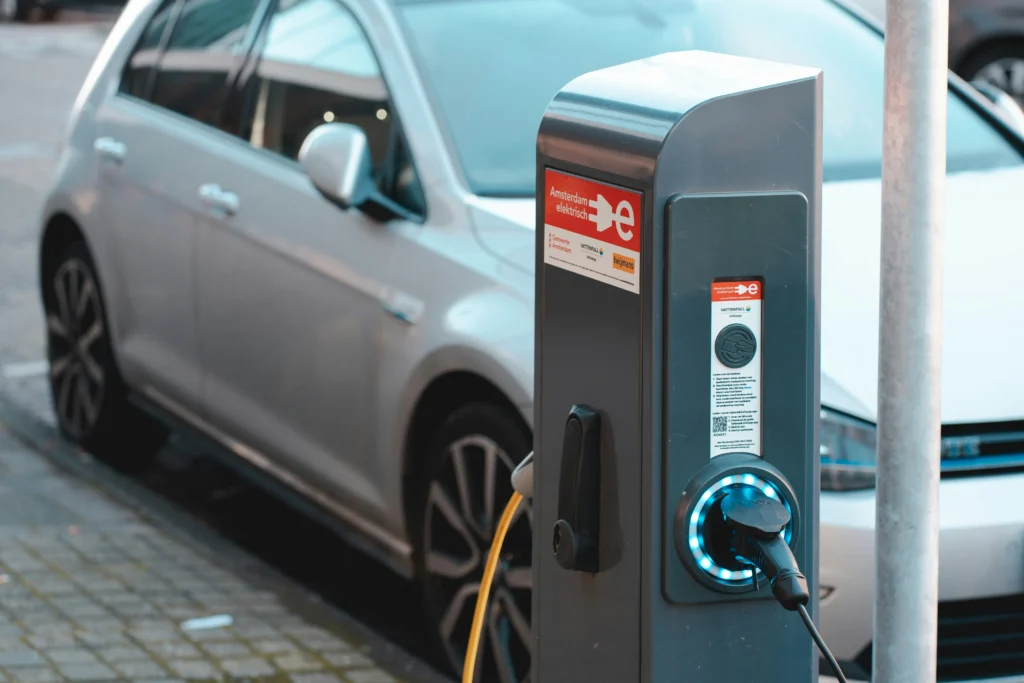
Operators are installing automated self-diagnostic software that alerts maintenance teams the moment a component exhibits unusual voltage patterns.
Learn more: Transport Dockside Charging Port Expansion
This shift toward predictive servicing aims to replace broken parts before a driver encounters a dead terminal on the road.
The current Charging Reliability Challenges Facing rural communities should diminish as these legislative performance standards gain widespread legal traction.
Forcing companies to fix broken hardware quickly turns public charging from a stressful guessing game into a dependable utility.
Which emerging technologies promise to eliminate current dispenser vulnerabilities?
The commercial rollout of automated plug-and-charge systems allows vehicles to authenticate and pay automatically upon physical connection, eliminating third-party app dependency entirely.
This system utilizes secure cryptographic keys embedded in the vehicle’s software to bypass external payment kiosks.
Read more: Highway Fast Charging Speed Plateau Above Eighty Percent
Simultaneously, solid-state dispenser designs are removing moving parts from the cooling loops, drastically lowering the frequency of mechanical breakdowns.
To review comprehensive independent uptime research data, field performance statistics, and alternative energy development studies, the digital database of the National Renewable Energy Laboratory (NREL) delivers verified scientific papers.
Overcoming infrastructure hurdles to secure the future of electric transport
Building a dependable public charging network is a complex task that demands close cooperation between software engineers, utility providers, and government agencies.
Drivers cannot be expected to accept unreliable public infrastructure as the unavoidable price of reducing tailpipe emissions.
Learn more: Liquid Cooled Connectors Powering Electric Truck Charging
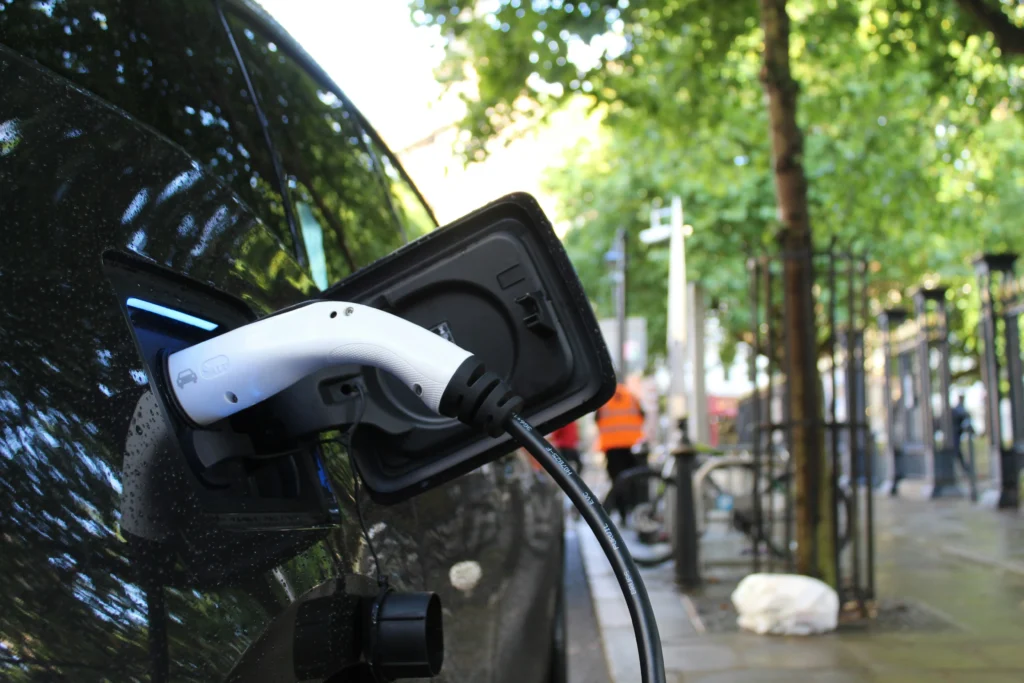
Demando professional network transparency, utilize live station mapping tools to plan your routes, and report broken equipment immediately to assist fellow drivers.
Once the industry resolves these core mechanical and digital bottlenecks, electric transportation will achieve its full potential as a universally reliable choice.
Frequently Asked Questions
What should I do first if a public fast charger repeatedly fails to initiate a session?
Unplug the cable, close your vehicle’s charge port door, restart your smartphone app, and wait two minutes before attempting the connection sequence again.
Why do some chargers slow down dramatically after my car battery reaches eighty percent?
Vehicles automatically reduce incoming power speeds past eighty percent to prevent thermal runaway and protect the long-term health of the lithium-ion cells.
Can bad weather conditions cause short circuits during a public charging session?
No, public charging hardware uses heavy insulation and safety seals designed to prevent water entry and electrical arcing during rain or snow storms.
How do roaming agreements between charging networks benefit the average driver?
Roaming agreements allow you to use a single application or account to access and pay for chargers owned by different competing network operators.
