
Shared Mobility Services Accelerating Electric Transport Use
The expansion of Shared Mobility Services Accelerating the integration of electric vehicles across dense metropolitan areas stands as a defining shift in modern eco-friendly infrastructure during this year of 2026.
This dynamic economic model allows urban citizens to utilize high-end sustainable transit solutions without confronting the prohibitive upfront purchasing costs of private ownership.
Inside this comprehensive industry report, we analyze how shared transportation ecosystems drive electric vehicle adoption. We examine grid integration challenges, micro-mobility trends, municipal policy frameworks, and the long-term environmental impacts of corporate fleet transitions.
What is shared electromobility and how does it function?
This modern transportation framework combines digital ride-hailing networks, short-term car rentals, and dockless micro-mobility systems with fully electric drivetrains.
Users locate, unlock, and pay for localized trips through centralized smartphone applications that calculate optimal routes and energy consumption.
The operational backbone relies on sophisticated fleet management software that monitors battery state-of-charge, vehicle location, and real-time user demand configurations.
Automated systems route low-battery units to specialized fast-charging hubs during off-peak hours to maintain continuous municipal service availability.
Replacing internal combustion engines within these high-utilization fleets yields immediate reductions in localized tailpipe emissions and urban noise pollution.
Observing these systemic shifts proves that Shared Mobility Services Accelerating fleet deployment provide a foundational blueprint for cleaner, more efficient metropolitan areas worldwide.
Why are fleet operators transitioning exclusively to electric vehicles?
Regulatory pressures from municipal authorities demanding zero-emission zones compel commercial transport operators to phase out fossil-fuel vehicles rapidly.
Furthermore, electric drivetrains offer significantly lower maintenance costs because they eliminate complex mechanical components like traditional transmissions, exhaust systems, and engine oil configurations.
The total cost of ownership over a vehicle’s operational lifecycle favors electric alternatives when daily mileage accumulation remains consistently high.
Charging commercial vehicles with managed corporate energy tariffs lowers per-mile operating expenses compared to volatile public petroleum fueling alternatives.
| Mobility Fleet Category | Average Daily Utilization | Primary Charging Strategy | Main Urban Benefit |
| Electric Ride-Hailing | 180-240 miles per unit | DC Fast Charging hubs | Reduces high-mileage commercial transit emissions |
| Free-Floating Carsharing | 60-90 miles per unit | Curbside Level 2 networks | Lowers private vehicle ownership dependencies |
| E-Scooters and E-Bikes | 15-25 miles per unit | Swappable battery logistics | Resolves first-mile and last-mile transit gaps |
| Corporate Delivery Vans | 100-140 miles per unit | Overnight depot charging | Optimizes localized urban logistics efficiency |
How do municipal policies encourage shared electric transport integration?
Forward-thinking city planners deploy dedicated parking infrastructure, reduced toll pricing, and preferential bus-lane access to incentivize clean shared transportation models.
These localized benefits make electric options faster and more convenient for daily commuters navigating dense commercial districts during peak hours.
Public-private partnerships frequently fund the installation of high-capacity charging stations near major subway hubs to facilitate multi-modal transit transitions.
For detailed research regarding sustainable transportation policies and international clean transit initiatives, the official portal of the International Energy Agency (IEA) provides excellent data.
Integrating public transit networks with commercial operators prevents urban congestion while ensuring peripheral neighborhoods receive reliable transportation coverage.
This strategic alignment demonstrates how Shared Mobility Services Accelerating resource distribution can build resilient, equitable municipal transit ecosystems over time.
Which technological innovations optimize high-utilization electric fleets?
The implementation of solid-state battery technology and ultra-fast charging systems minimizes the non-productive downtime that previously limited electric vehicle competitiveness.
Modern vehicles replenish eighty percent of their battery capacity within fifteen minutes, maximizing their active operational window on city streets.
Artificial intelligence algorithms predict regional transit demand by analyzing historical commuter data, shifting weather patterns, and localized public event schedules.
Learn more: Transport Public Charging Access Inequality
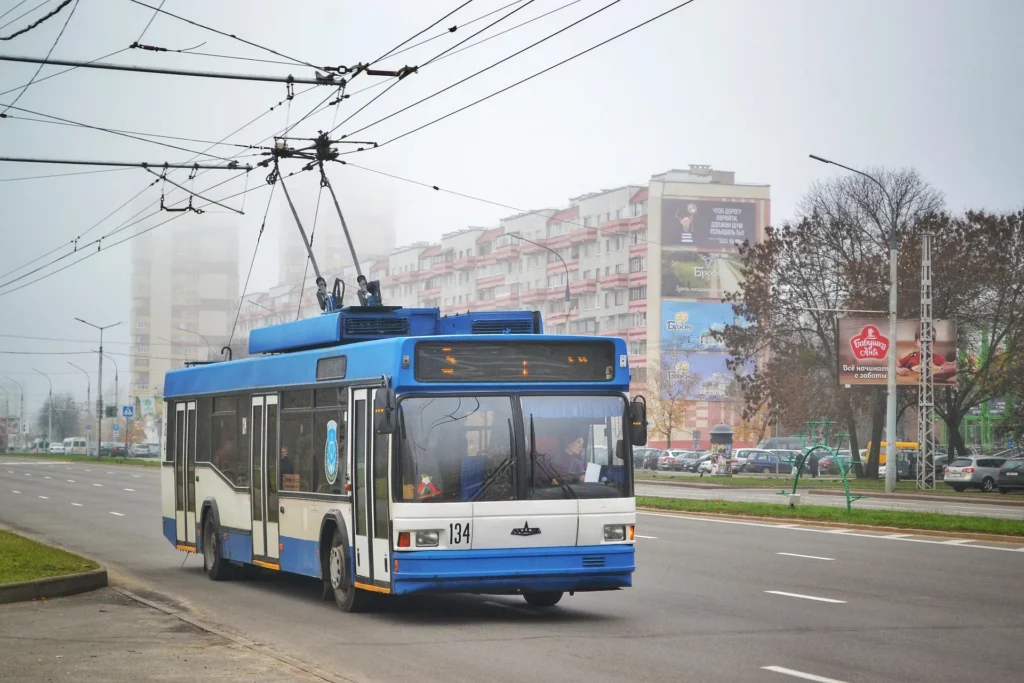
Vehicles position themselves proactively in high-demand zones, minimizing empty driving miles and reducing the overall strain on municipal electricity networks.
Battery-swapping stations offer an alternative operational pathway for two-wheeled micro-mobility fleets and commercial taxi operations needing immediate energy replenishment.
This decentralized approach eliminates charging grid bottlenecks, allowing operators to scale up their active vehicles without waiting for traditional charging infrastructure buildouts.
When will shared fleets achieve complete grid sustainability?
Achieving true net-zero transport operations requires matching vehicle energy consumption with regional renewable electricity generation like solar and wind power.
Implementing vehicle-to-grid technology allows parked shared vehicles to feed excess energy back into the electrical grid during periods of peak community demand.
Read more: Transport Dockside Charging Port Expansion
Smart charging software delays fleet power consumption until overnight periods when overall electrical demand drops and renewable energy production often surges.
Managing these energy loads effectively transforms electric vehicle fleets from grid burdens into valuable decentralized energy storage assets for utility companies.
Transitioning to fully renewable energy sources guarantees that the entire operational lifecycle remains decoupled from fossil fuel consumption patterns.
Continued investment in Shared Mobility Services Accelerating smart infrastructure deployment helps secure a sustainable future for both global transportation and energy networks.
To review updated global frameworks on climate solutions and city-level sustainability tracking, visit the C40 Cities Climate Leadership Group.
Steering the future of clean urban mobility systems
The intersection of shared access models and electric powertrains provides a powerful mechanism to accelerate global decarbonization objectives within the transportation sector.
Learn more: Dockside Infrastructure Driving Electric Transport Expansion
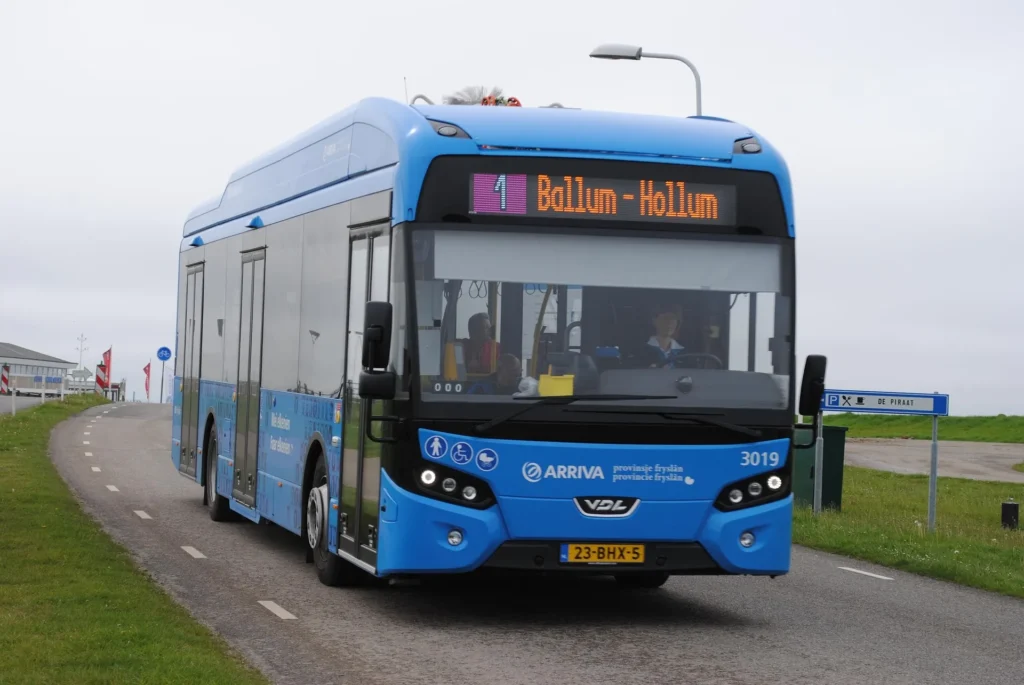
Transitioning away from single-occupancy personal vehicles reduces resource consumption while reclaiming valuable urban space dedicated to vehicle storage.
Support regional shared transit programs, utilize electric micro-mobility options for short trips, and advocate for public charging infrastructure within your local community.
Adopting these progressive transportation habits helps build modern, breathable cities that prioritize human health, ecological balance, and long-term economic resilience.
Frequently Asked Questions about Shared Electromobility
Do shared electric cars cost more to rent than conventional vehicles?
No, the lower operational and fuel expenses of electric drivetrains allow operators to price these services competitively with traditional internal combustion options.
How do operators prevent shared electric vehicles from running out of power?
Fleet management software monitors battery levels constantly, automatically restricting low-power vehicles from new rentals and directing field teams to recharge them immediately.
Are shared electric scooters truly beneficial for the urban environment?
Yes, when integrated correctly, they replace short personal automobile trips and reduce first-mile congestion around major public transit stations.
Can vehicle-to-grid technology cause premature battery degradation in shared fleets?
Modern smart charging algorithms manage energy discharge cycles carefully, ensuring grid support activities do not compromise the overall lifespan of the vehicle battery cells.
