
Transport Micromobility Parking Space Crisis
The global Micromobility Parking Space Crisis represents a critical infrastructure bottleneck in 2026, threatening the long-term viability of lightweight electric vehicles within dense urban ecosystems.
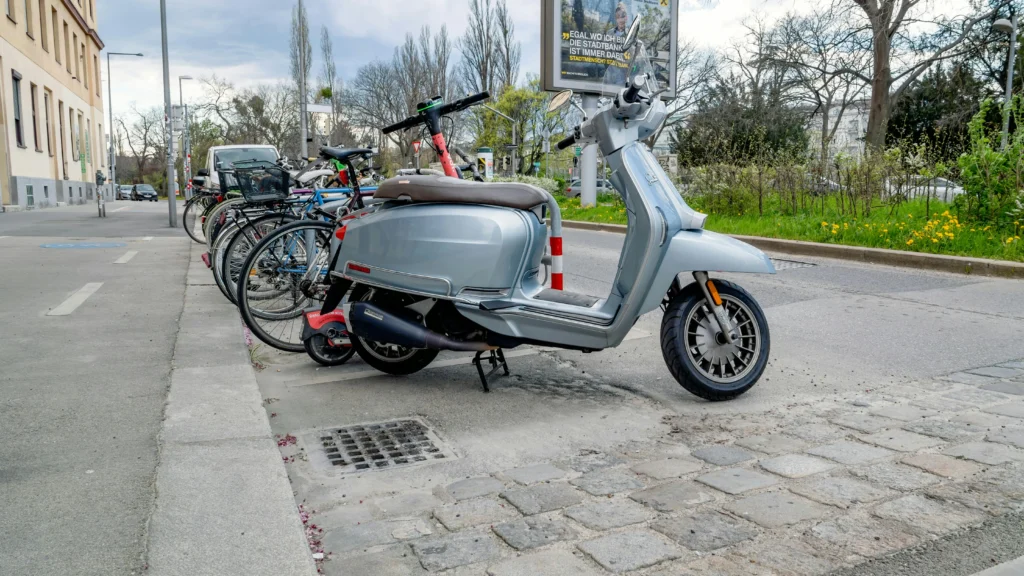
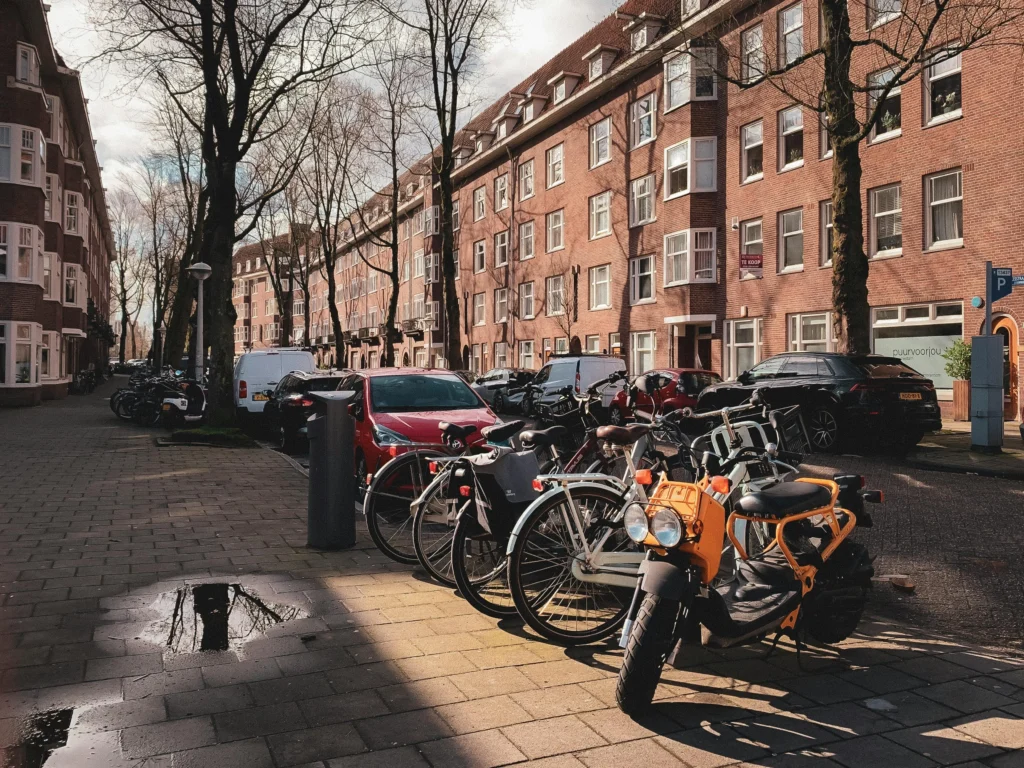
As millions of commuters opt for electric scooters and cargo bikes, metropolitan sidewalks have transformed into chaotic staging grounds for structural clutter.
This rapid influx of zero-emission hardware far outpaces municipal zoning adaptations, generating friction between active transit users and traditional pedestrian populations.
Resolving this spatial deficit requires dynamic municipal intervention and localized urban engineering designed for the demands of decentralized commuter fleets.
Our comprehensive technical review evaluates the geopolitical drivers, hardware spatial configurations, and structural solutions defining this urgent transit challenge.
What Is the Spatial Deficit Hindering Lightweight Vehicle Integration in Modern Cities?
The rapid proliferation of electric personal transportation alternatives has inadvertently exposed a profound misallocation of public space within major urban centers worldwide.
Decades of prioritizing multi-ton passenger cars have left modern cities with extensive asphalt roadways but almost zero dedicated storage infrastructure for lightweight micro-vehicles.
When municipal administrations encourage citizens to abandon cars for electric scooters, yet fail to build designated drop zones, a systemic gridlock materializes.
The resulting Micromobility Parking Space Crisis manifests as blocked accessibility ramps, compromised storefront walkways, and increased local resistance to green transit initiatives.
Urban planners must recognize that lightweight vehicles cannot co-exist sustainably with pedestrians on sidewalks without dedicated, physically segregated infrastructure.
Developing specialized parking bays is an absolute requirement for protecting vulnerable foot travelers while facilitating efficient, eco-friendly commuting alternatives.
How Do Fleet Operators and Municipalities Collaborate to Enforce Organized Staging Zones?
Modern municipal transit authorities are moving away from passive zoning toward active digital enforcement mechanisms developed in partnership with shared fleet providers.
Advanced operators integrate high-precision real-time location metrics into user applications, preventing riders from concluding rentals outside verified, pre-designated parking locations.
This digital approach utilizes localized cellular data and Bluetooth beacons to establish strict geographic boundaries in high-density commercial corridors.
If a user attempts to abandon a vehicle on a restricted pedestrian plaza, the software continues charging their account until compliance is achieved.
To analyze extensive municipal transportation guidelines, review standardized urban mobility metrics, and evaluate federal research documentation regarding active transportation systems, consult the U.S. Department of Transportation.
Why Are Traditional Curbside Allocation Strategies Failing Under Current Micro-Transit Pressures?
Legacy curbside management frameworks allocate nearly eighty percent of roadside real estate to stationery private automobiles, creating an artificial deficit for alternative modes.
A single standard parallel parking slot can easily accommodate up to two dozen electric bicycles or scooters, maximizing public utility exponentially.
Failing to reallocate this premium real estate perpetuates unsafe sidewalk stacking, directly accelerating the severity of the Micromobility Parking Space Crisis.
To understand the mathematical realities of this spatial imbalance in metropolitan areas, evaluate the empirical storage metrics detailed in the table below:
| Transportation Mode | Physical Footprint Required (Sq. Ft.) | Volumetric Efficiency Rating | Average Idle Duration Daily | Recommended Infrastructure Fix |
| Private Gasoline Car | 140 to 160 sq. ft. | Extremely Low (5%) | 22 to 23 Hours | Complete conversion to active hubs |
| Shared Cargo E-Bike | 12 to 15 sq. ft. | High (65%) | 4 to 6 Hours | Dedicated on-street corral bays |
| Dockless E-Scooter | 3 to 4 sq. ft. | Very High (85%) | 8 to 10 Hours | Geofenced induction charging pads |
| Commercial EV Delivery | 180 to 220 sq. ft. | Low (15%) | 1 to 2 Hours | Time-restricted loading zones |
The structural data confirms that continuing to prioritize the storage of private combustion vehicles is geometrically incompatible with expanding alternative transit networks.
Shifting just two percent of single-occupant car spaces to micro-transit utilization eliminates walkway clutter while expanding overall corridor throughput.
Which Technological Innovations Are Converting Existing Streetscapes Into Intelligent Transit Hubs?
Civil engineering firms are deploying modular, solar-powered docking installations that drop directly into standard roadside parking spaces without requiring extensive utility excavation.
These smart structures feature universal induction plates that recharge electric vehicles automatically without the need for manual cable connections by fleet operators.
By offering free charging utilities exclusively within designated racks, cities create a powerful economic incentive for users to park responsibly.
Learn more: Motorcycle Adaptive Torque Mapping Systems
This infrastructure deployment transitions the dockless transit experiment into an organized, predictable network that mirrors the reliability of traditional public subway systems.
Integrating automated software systems allows cities to dynamically adjust parking availability based on real-time transit demand spikes, preventing localized infrastructure saturation.
These smart grids represent the foundation of resilient, adaptable urban environments capable of shifting spatial allocations on demand.
When Should Cities Implement Stricter Physical Seizure Laws Against Non-Compliant Transit Operators?
Metropolitan governments must enforce immediate impoundment protocols when shared transit corporations saturate local streets beyond the capacity of existing parking infrastructure.
Allowing tech firms to externalize their storage costs onto public sidewalks undermines civic trust and penalizes individuals possessing limited mobility.
Read more: Electric Transport Swap Battery Safety in Urban Housing
Imposing steep financial penalties for poorly parked hardware compels operators to invest in advanced positioning sensors and hire local ground management teams.
Accountability ensures that corporate growth aligns with the safety, cleanliness, and architectural integrity of the shared urban landscape.
Architectural Restructuring for a Sustainable Active Transit Future
Overcoming contemporary urban transit bottlenecks requires a bold departure from vehicle-centric zoning toward flexible, multi-modal curbside infrastructure engineering.
Prioritizing space for efficient, lightweight transport networks directly enhances the economic productivity and climate resilience of modern municipal areas.
Learn more: How Electric Cars Are Changing Urban Parking Lot Design
As global populations consolidate within urban cores, the democratic distribution of public space becomes the defining metric of successful governance.
By treating parking allocation as a valuable, dynamic resource, contemporary cities can build beautiful, walkable environments that honor all transit participants.
To access comparative global urban studies, review international city planning indices, and evaluate data regarding sustainable municipal infrastructure deployment, explore the digital library of the Institute for Transportation and Development Policy (ITDP).
Frequently Asked Questions (FAQ)
What defines a geofenced parking zone in modern micro-transportation systems?
A geofenced parking zone is a virtual boundary established via GPS, cellular data, and Bluetooth beacons that dictates where shared vehicles can lock.
The mobile application communicates with the vehicle hardware, preventing the user from completing their ride unless the device is inside these coordinates.
How can small business owners advocate for curbside conversion in front of their shops?
Small business owners can submit formal requests to local transport boards to convert single car spaces into multi-vehicle micro-corrals.
This architectural modification increases storefront visibility and foot traffic, as twenty micromobility users can park in the space of one automobile.
Do smart docking stations support multiple vehicle brands or are they proprietary?
Modern urban infrastructure mandates open-architecture interoperability, meaning newly installed public smart hubs support standardized charging profiles across multiple competitive brands.
This regulatory uniformity prevents corporate fragmentation, allowing public spaces to remain neutral, highly accessible utilities for all citizens.
How does the parking crisis impact citizens with physical disabilities or visual impairments?
Improperly parked dockless vehicles create severe navigational hazards on public footpaths, directly blocking wheelchair ramps and interrupting tactile paving for visually impaired pedestrians.
Resolving the spatial crisis is a fundamental accessibility requirement to maintain safe, equitable municipal mobility for everyone.
