
How Electric Cars Are Changing Urban Parking Lot Design
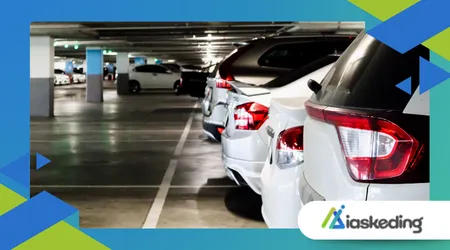
Electric Cars Are Changing Urban Parking Lot Design. The rise of EVs is forcing a reevaluation of what a parking lot truly is and can be.
This isn’t just about accommodating a new type of vehicle. It’s about building smarter, more efficient, and more sustainable cities. The rise of EVs is forcing a reevaluation of what a parking lot truly is and can be.
The quiet hum of an electric motor is replacing the roar of combustion engines. This new reality is reshaping the spaces where we park our cars.
Parking lots are evolving from mere storage areas to hubs of power and data. They are becoming dynamic and interactive parts of our city’s energy grid.
From Concrete Deserts to Power Hubs
Historically, urban parking lots were designed with a single purpose: to store as many cars as possible. Efficiency was measured in square footage per vehicle.
Today, this simple equation is being complicated by the need for charging infrastructure. Charging stations are not just “pumps” for electricity.
They are sophisticated pieces of technology that require planning for power distribution and future upgrades. This integration of technology is a core challenge.
It’s an infrastructure puzzle that urban planners are solving with innovative design. The goal is to avoid costly retrofitting down the line.
Consider a multi-story car park built decades ago. It wasn’t designed for a distributed power grid.
The installation of a robust charging network requires significant electrical upgrades. This includes new transformers, conduits, and wiring.
The new reality is that a parking garage must be as much an electrical substation as a storage facility. It must be able to handle fluctuating energy demands.
Read more: How to Prepare Your Garage for Overnight EV Charging
The Smart Grid Connection
The true potential of EV parking lots lies in their connection to the smart grid. Vehicles are not just consumers of power.
They can also be sources, thanks to vehicle-to-grid (V2G) technology. This technology allows EVs to send energy back to the grid.
A large fleet of EVs parked at an office building could collectively store energy. They can then release it during peak demand hours.
This turns a parking lot into a massive virtual power plant. A study published in the journal Nature Energy in 2024 highlighted this potential.
It showed that V2G services from a single large-scale parking lot could provide significant grid stability. This is especially true during times of high stress or renewable energy intermittency.
++ Top Hidden Costs of Owning an Electric Vehicle
This concept changes the economics of parking entirely. It creates new revenue streams for building owners and parking operators.
It also incentivizes drivers to charge their vehicles at off-peak times. This further balances the energy load.
Designing for the Future: Beyond the Plug
The design changes go beyond just the electrical infrastructure. They are also aesthetic and functional.
EVs are often heavier than their gas-powered counterparts. This requires stronger structural designs in some garages.
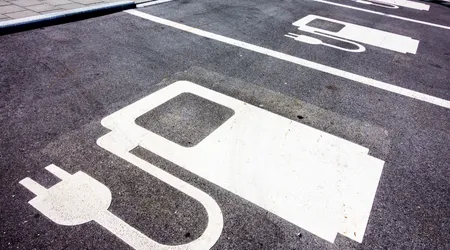
Parking spaces are also being reconfigured. Charging spots need to be easily accessible and clearly marked.
++ The Myth of Zero Maintenance in Electric Vehicles
Some futuristic designs envision automated parking systems that would charge vehicles autonomously. For example, a robotic valet could move an EV from its spot to a charger and then back.
These systems maximize space efficiency and ensure every vehicle gets charged. This is an elegant solution to a complex logistical problem.
The Evolution of the User Experience
The parking experience for an EV driver is fundamentally different. It’s not just about finding a spot.
It’s about finding a spot with an available and compatible charger. This introduces a new layer of complexity.
Parking apps are now being integrated with charging station data. They show real-time availability and charging status.
This allows drivers to reserve a spot and a charger in advance. This avoids frustration and wasted time.
The design of the parking lot must support this digital integration. This includes strong Wi-Fi signals and clear signage.
++ How Electric Cars are Changing the Architecture of Parking.
An example of this is a new parking garage in downtown Seattle. It uses a dynamic LED lighting system.
The lights guide drivers to available spots and change color to indicate charging status. Green means available, blue means charging, and red means an issue.
It is a simple, visual cue that makes the experience smoother. Another example is the new multi-use development in Copenhagen.
The parking areas are integrated with public transit and bike-sharing services. This encourages a multi-modal approach to transportation.
They also have dedicated areas for electric scooters and bicycles to charge. This recognizes that urban mobility is a complex ecosystem.
A New Design Philosophy
The old model of “park and leave” is being replaced by “park, power, and connect.” This shift is reshaping our urban landscapes.
Think of it like a river that has changed its course. The old path is still there, but the water now flows in a new direction.
Our cities are the landscape, and the flow of energy is the water. The new channels are EV-friendly parking lots.
Here’s a look at how a traditional garage compares to a modern one:
| Feature | Traditional Parking Garage (2000s) | Modern EV-Ready Garage (2025) |
| Primary Purpose | Vehicle storage | Power, data, and vehicle storage |
| Infrastructure | Basic lighting and security | Advanced power grid, data network, sensors |
| User Experience | Find an empty spot | Find a spot with charging availability |
| Key Challenge | Traffic flow and space optimization | Power management and grid integration |
| Revenue Model | Hourly/daily fees | Fees + V2G services, energy trading |
The way we design parking lots reflects our priorities. Are we building for the past, or for the future?
Electric Cars Are Changing Urban Parking Lot Design, yes, but they are also building a new urban narrative. A story of efficiency, sustainability, and intelligent infrastructure.
This isn’t a temporary trend. It’s a fundamental shift in how we power our lives and our cities.
Isn’t it fascinating how a simple shift in propulsion can lead to such a profound change in urban architecture? The silent revolution is getting louder every day, one charging spot at a time.
The quiet revolution of how Electric Cars Are Changing Urban Parking Lot Design is well underway. This is just the beginning of a transformative era for our cities.
Electric Cars Are Changing Urban Parking Lot Design is a phrase that signals a deeper change. We are moving towards a more interconnected and sustainable future.
The transformation of parking lots is a microcosm of a larger societal shift. It shows our commitment to a cleaner environment and smarter living.
Electric Cars Are Changing Urban Parking Lot Design is a reality. The future of our cities is being built, one electrified parking spot at a time.
Frequently Asked Questions
What is V2G technology?
V2G, or Vehicle-to-Grid, is a technology that allows electric vehicles to send power back to the electrical grid.
This transforms them from simple consumers into energy providers, helping to stabilize the grid and manage peak demand.
How does electrification affect safety in parking lots?
Electrification can improve safety. More modern parking lots often include smart lighting, integrated security cameras, and real-time monitoring systems.
Additionally, the absence of flammable fuels reduces the risk of fires.
Is the design of EV parking lots standardized?
No, the design varies quite a bit. It depends on factors like the location’s power capacity, the type of vehicles that use it (passenger cars, delivery vehicles, etc.), and the desired level of automation.
However, there are widely followed safety and accessibility guidelines.
Are most new buildings already being constructed with charging infrastructure?
In many cities, yes. The trend is for building codes to require that a percentage of parking spaces in new residential and commercial buildings be ‘EV-ready’ meaning they are prepared for the future installation of chargers.
This is seen as a proactive measure for urban sustainability.
