
Electric vs. Gas Motorcycles: Pros and Cons
Motorcycle enthusiasts are facing a new decision: choose between traditional gasoline motorcycles or embrace the future with electric bikes.
This motorcycle comparison isn’t just about personal preference. It’s about understanding how motorcycle technology is evolving to meet the demands of eco-friendly transportation.
As we dive into the world of two-wheeled transportation, we’ll explore the key differences between these two types of rides. From performance and costs to environmental impact, we’ll break down what you need to know to make an informed choice for your next motorcycle purchase.
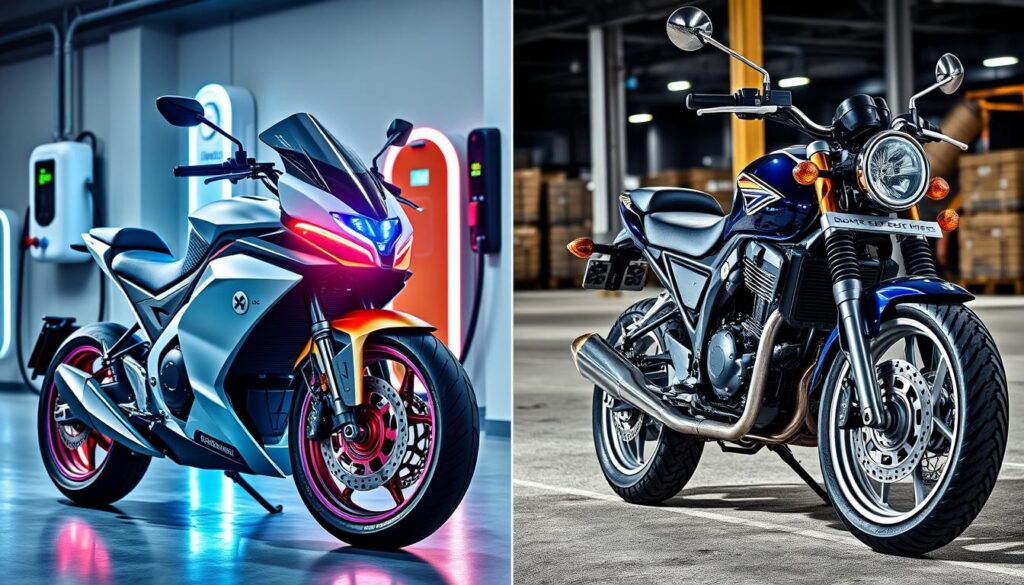
Whether you’re a seasoned rider or new to the motorcycle scene, this guide will help you navigate the changing landscape of motorcycle options. We’ll look at how electric bikes are shaking up the industry and why some riders still swear by their gasoline-powered machines.
Key Takeaways
- Electric bikes offer lower operating costs and maintenance
- Gasoline motorcycles provide longer range and quicker refueling
- Electric motorcycles have instant torque and silent operation
- Traditional bikes offer a wider variety of models and styles
- Environmental impact favors electric, but manufacturing concerns exist
- Charging infrastructure for electric bikes is growing but still limited
- Both types have unique riding experiences worth considering
The Evolution of Motorcycle Technology
Motorcycle history spans over a century of innovation. From early gas engines to cutting-edge electric powertrains, the industry has seen remarkable technological advancements. This journey reflects changing consumer needs and environmental concerns.
From Early Gas Engines to Modern Power
The first motorcycles used simple gas engines. Over time, these evolved into more powerful and efficient machines. Fuel injection, advanced materials, and electronic systems transformed traditional motorcycles. Today’s gas-powered bikes offer impressive performance and reliability.
The Rise of Electric Motorcycle Innovation
Electric motorcycles represent a new chapter in two-wheeled transport. Improved battery technology and motor design have made electric bikes viable alternatives. They offer instant torque, lower maintenance, and zero emissions, appealing to eco-conscious riders.
Current Market Landscape
The motorcycle market now includes both gas and electric options. Major manufacturers are investing in electric vehicle technology while improving their gas-powered lineups. This shift reflects broader industry trends towards sustainability and performance.
| Technology | Advantages | Challenges |
|---|---|---|
| Gas Motorcycles | Long range, Quick refueling | Emissions, Maintenance |
| Electric Motorcycles | Low emissions, Instant torque | Limited range, Charging time |
As the electric vehicle market grows, traditional motorcycles face new competition. Manufacturers must balance consumer preferences with environmental regulations. The future of motorcycling will likely see continued innovation in both gas and electric technologies.
Understanding Electric Motorcycle Technology
Electric motorcycles are revolutionizing the two-wheeled world with cutting-edge technology. These bikes offer a blend of power, efficiency, and eco-friendliness that’s hard to ignore.
Battery Systems and Range
At the heart of electric motorcycles are lithium-ion batteries. These powerhouses store energy and determine how far you can ride. Most modern e-bikes can travel 100-150 miles on a single charge. Some high-end models push this to 200+ miles, rivaling their gas counterparts.
Charging Infrastructure
Charging stations are popping up everywhere, making it easier to keep your e-bike juiced up. You can charge at home overnight or use fast-charging stations on the go. Many cities are investing in public charging networks, reducing range anxiety for riders.
Motor Types and Power Delivery
Electric motors are the muscles of e-motorcycles. They come in various types, each with unique benefits:
- Hub motors: Integrated into the wheel for a compact design
- Mid-drive motors: Mounted near the bike’s center for better balance
- Axial flux motors: Offer high power in a small package
These motors deliver instant torque, giving electric bikes their famous quick acceleration. They’re also incredibly efficient, with some models using regenerative braking to recapture energy during stops. This boosts overall energy efficiency and extends range.
Traditional Gas Motorcycle Mechanics
Gas motorcycles rely on internal combustion engines to power their wheels. These engines burn fuel to create energy, driving pistons that turn a crankshaft. This motion is then transferred to the rear wheel through a transmission system.
Fuel systems in gas motorcycles play a crucial role. They mix air and gasoline to create a combustible mixture. Carburetors or fuel injection systems handle this task, ensuring the right fuel-air ratio for optimal performance.
Transmissions in gas motorcycles typically use gears to control power delivery. Riders shift gears manually or with automatic systems, allowing for efficient power use across different speeds and terrains.
Exhaust systems are vital for gas motorcycles. They expel waste gases from the engine, reduce noise, and often improve performance. Regular motorcycle maintenance of these components is key to keeping a gas bike running smoothly.
| Component | Function | Maintenance Needs |
|---|---|---|
| Engine | Generates power | Oil changes, valve adjustments |
| Fuel System | Delivers fuel to engine | Filter replacements, cleaning |
| Transmission | Controls power delivery | Fluid changes, clutch adjustments |
| Exhaust | Expels waste gases | Leak checks, muffler replacements |
Understanding these core systems helps riders appreciate the complexity and care needed for gas motorcycles. Regular maintenance ensures longevity and optimal performance of these classic machines.
Performance Comparison
Electric and gas motorcycles offer distinct performance characteristics that cater to different riding preferences. Understanding these differences is crucial for riders looking to make an informed choice.
Speed and Acceleration
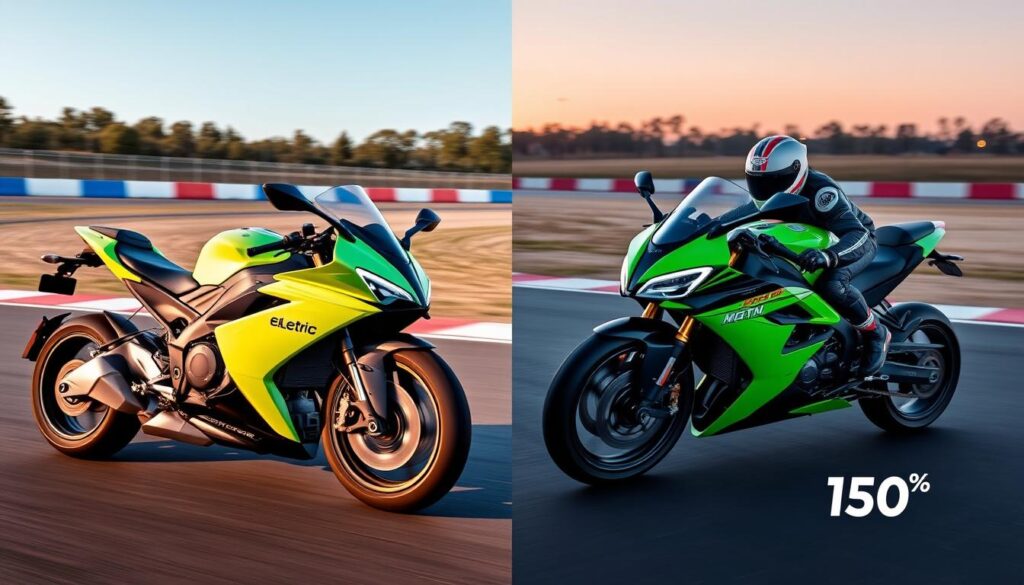
Electric motorcycles excel in instant torque delivery, providing rapid acceleration from a standstill. Many electric models can reach impressive top speeds, rivaling their gas counterparts. The power-to-weight ratio of electric bikes often gives them an edge in quick sprints.
Handling and Weight Distribution
Gas motorcycles typically offer better cornering ability due to their lighter overall weight. Electric bikes, with their battery packs, tend to have a lower center of gravity, which can enhance stability. This weight distribution affects how each type handles in various riding conditions.
Range and Refueling vs. Charging
For long-distance riding, gas motorcycles currently have an advantage. They offer greater range and quick refueling stops. Electric bikes are catching up with improving battery technology, but charging times still present a challenge for extended trips.
| Performance Aspect | Electric Motorcycles | Gas Motorcycles |
|---|---|---|
| Acceleration | Instant torque, quick off the line | Gradual power buildup |
| Top Speed | Comparable to gas models | Wide range of top speeds available |
| Cornering | Lower center of gravity aids stability | Lighter weight enhances agility |
| Long-Distance Capability | Limited by charging infrastructure | Extensive range with quick refueling |
Environmental Impact and Sustainability
The motorcycle industry faces growing scrutiny over its environmental footprint. Both electric and gas motorcycles have unique impacts on our planet. Let’s explore how these two types of bikes stack up in terms of sustainability.
Carbon Footprint Analysis
Electric motorcycles produce zero direct emissions during use, unlike their gas-powered counterparts. This significantly reduces their carbon footprint over time. However, the source of electricity used for charging plays a crucial role in overall emissions.
Manufacturing Environmental Costs
The production of electric motorcycles, especially their batteries, can be resource-intensive. This initial environmental cost is often higher than that of gas motorcycles. Yet, over the vehicle’s lifecycle, electric bikes tend to make up for this difference through lower operational emissions.
End-of-Life Considerations
Recycling is a key factor in reducing the environmental impact of both types of motorcycles. While gas motorcycles have established recycling processes, the recycling of electric motorcycle batteries is an evolving field. Proper disposal and recycling of these components are crucial for minimizing long-term environmental effects.
| Aspect | Electric Motorcycles | Gas Motorcycles |
|---|---|---|
| Operational Emissions | Zero direct emissions | Produces CO2 and other pollutants |
| Manufacturing Impact | Higher initial environmental cost | Lower initial environmental cost |
| Energy Source | Depends on local electricity mix | Fossil fuels |
| Recycling Challenges | Battery recycling complexity | Established recycling processes |
A comprehensive lifecycle assessment is essential to fully understand the environmental impact of both electric and gas motorcycles. This analysis helps consumers make informed choices aligned with their sustainability goals.
Cost Analysis and Ownership Experience
When choosing between electric and gas motorcycles, understanding the financial aspects is crucial. The purchase price of electric bikes often exceeds that of gas models. Yet, long-term operating costs can offset this initial investment.
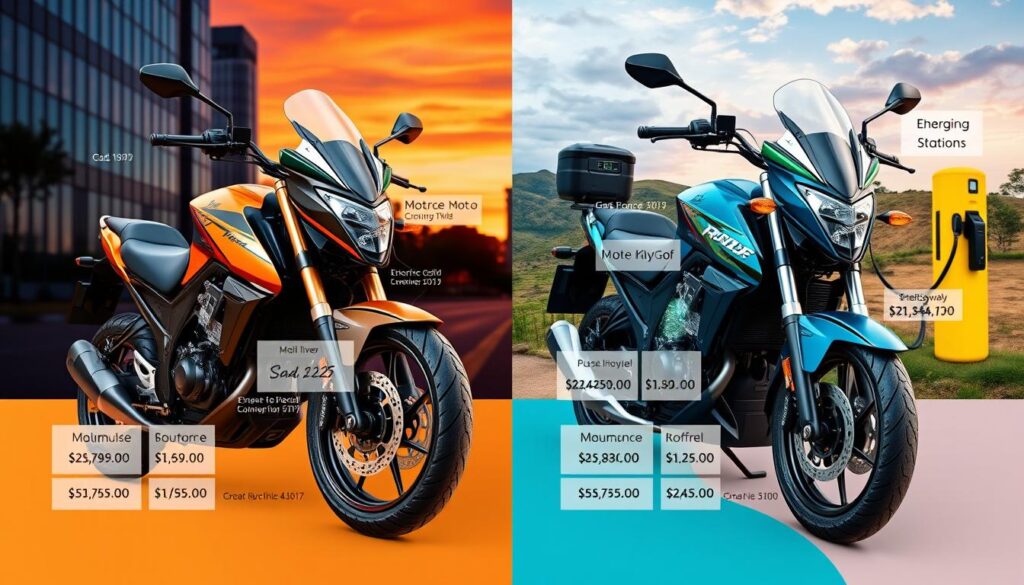
Electric motorcycles boast lower fuel expenses. Charging an electric bike costs significantly less than filling up a gas tank. This cost-saving advantage becomes more pronounced over time.
Insurance rates vary, but electric motorcycles often enjoy lower premiums due to their reduced maintenance needs and environmental benefits. Resale value is another factor to consider. While the market for used electric bikes is still developing, their durability may lead to better value retention.
| Cost Factor | Electric Motorcycle | Gas Motorcycle |
|---|---|---|
| Purchase Price | Higher | Lower |
| Fuel Expenses | Low (Electricity) | High (Gasoline) |
| Maintenance | Minimal | Regular |
| Insurance | Often Lower | Varies |
| Resale Value | Potentially Higher | Well-established |
Overall, while electric motorcycles may have a higher upfront cost, their lower operating costs and potential for better resale value make them an attractive option for budget-conscious riders.
Maintenance and Longevity
Keeping your motorcycle in top shape is key to its performance and lifespan. Electric and gas motorcycles have different maintenance needs that impact their durability and repair frequency.
Electric Motorcycle Maintenance Requirements
Electric bikes are known for their low routine maintenance. They have fewer moving parts, which means less wear and tear. The main focus is on battery care and software updates. Servicing costs are generally lower, but specialized repairs can be pricey.
Gas Motorcycle Service Needs
Traditional gas motorcycles need more frequent attention. Oil changes, filter replacements, and spark plug checks are part of regular upkeep. While parts are usually cheaper, labor costs can add up over time.
Long-term Reliability Factors
Both types have their strengths in longevity. Electric motorcycles often boast longer-lasting powertrains, but battery degradation is a concern. Gas bikes have proven durability, but engine wear can increase repair frequency as they age.
| Factor | Electric Motorcycles | Gas Motorcycles |
|---|---|---|
| Routine Maintenance | Minimal (software updates, tire checks) | Regular (oil changes, tune-ups) |
| Servicing Costs | Lower overall, but specialized repairs can be expensive | Moderate, with more frequent but less costly services |
| Wear and Tear | Less on drivetrain, more on battery | More on engine components |
| Durability | High for motor, variable for battery | Well-established, long-term reliability |
| Repair Frequency | Less frequent, but may require specialist attention | More frequent, but often simpler repairs |
Conclusion
Choosing between electric and gas motorcycles boils down to personal preferences and riding style. Electric bikes offer quiet, clean rides with instant torque, while gas bikes provide the classic rumble and longer range. Your decision-making factors might include daily commutes, weekend adventures, or track days.
The future of motorcycling looks bright for both technologies. Electric motorcycles are gaining ground with improved batteries and charging networks. Gas bikes continue to evolve with better fuel efficiency and reduced emissions. Your ideal motorcycle selection depends on weighing these options against your needs.
Consider your local riding conditions, available charging stations, and maintenance comfort when picking your ride. Whether you lean towards the eco-friendly buzz of electric or the traditional roar of gas, both paths lead to exciting journeys. The key is finding the bike that matches your riding dreams and practical requirements.
FAQ
What are the main differences between electric and gas motorcycles?
The main differences include power source (battery vs. gasoline), maintenance requirements, environmental impact, and riding experience. Electric motorcycles offer instant torque and quieter operation, while gas motorcycles typically have longer range and faster refueling times.
Are electric motorcycles more environmentally friendly than gas motorcycles?
Generally, yes. Electric motorcycles produce zero direct emissions during operation. However, the overall environmental impact depends on factors like the source of electricity used for charging and the manufacturing process of batteries.
How does the range of electric motorcycles compare to gas motorcycles?
Gas motorcycles typically have a longer range per tank/charge. Most electric motorcycles offer ranges between 70-150 miles on a single charge, while many gas motorcycles can travel 200+ miles on a full tank. However, electric motorcycle range is continually improving with advancements in battery technology.
Are electric motorcycles more expensive to buy than gas motorcycles?
Initially, yes. Electric motorcycles often have a higher upfront cost due to the expense of battery technology. However, they can be more cost-effective in the long run due to lower fuel and maintenance costs.
How do maintenance requirements differ between electric and gas motorcycles?
Electric motorcycles generally require less maintenance as they have fewer moving parts and no need for oil changes. Gas motorcycles require more frequent servicing, including oil changes, air filter replacements, and occasional adjustments to the engine and transmission.
Can electric motorcycles match the performance of gas motorcycles?
In many aspects, yes. Electric motorcycles often offer superior acceleration due to instant torque delivery. While top speeds may vary, many electric models can match or exceed the performance of comparable gas motorcycles, especially in urban environments.
How long does it take to charge an electric motorcycle compared to refueling a gas motorcycle?
Charging an electric motorcycle typically takes longer than refueling a gas motorcycle. Depending on the battery size and charger type, it can take anywhere from 30 minutes to several hours for a full charge. Gas motorcycles can be refueled in just a few minutes.
Are there any unique benefits to riding an electric motorcycle?
Yes, electric motorcycles offer several unique advantages, including near-silent operation, lower vibration levels, and the convenience of home charging. They also tend to have lower center of gravity, which can improve handling.
How does the power delivery differ between electric and gas motorcycles?
Electric motorcycles provide instant torque from a standstill, resulting in smooth and powerful acceleration. Gas motorcycles typically have a more gradual power buildup and require shifting gears for optimal performance.
What factors should I consider when choosing between an electric and gas motorcycle?
Consider your typical riding distance, access to charging infrastructure, budget (both initial and long-term), environmental concerns, desired performance characteristics, and personal preferences for factors like sound and vibration.
