
Pioneering Energy Storage Technologies for Grid Stability
The quest for reliable electricity has sparked a revolution in power distribution systems. As our world becomes increasingly electrified, the need for grid resilience has never been more pressing. Enter energy storage innovations – the unsung heroes of our modern power grids.
These cutting-edge technologies are transforming how we manage and distribute electricity. By storing excess energy and releasing it when demand peaks, they’re ensuring a steady flow of power to homes and businesses alike. It’s not just about keeping the lights on; it’s about creating a smarter, more flexible grid that can withstand challenges and adapt to changing needs.
From advanced batteries to pumped hydro storage, the array of solutions is as diverse as it is impressive. These breakthroughs are paving the way for a future where blackouts are rare and renewable energy integration is seamless. Let’s explore how these pioneering technologies are reshaping our energy landscape and powering us towards a more stable, sustainable future.
Understanding Modern Grid Storage Challenges
Power grids face growing challenges in managing energy supply and demand. Renewable energy integration poses a significant hurdle. Solar and wind power fluctuate based on weather conditions, making it hard to maintain a steady power supply. This unpredictability strains existing grid infrastructure.
Peak demand management is another critical issue. During extreme weather events or high-use periods, power consumption spikes. Traditional grids struggle to meet these sudden surges, leading to potential blackouts. Grid resilience becomes crucial in these scenarios.
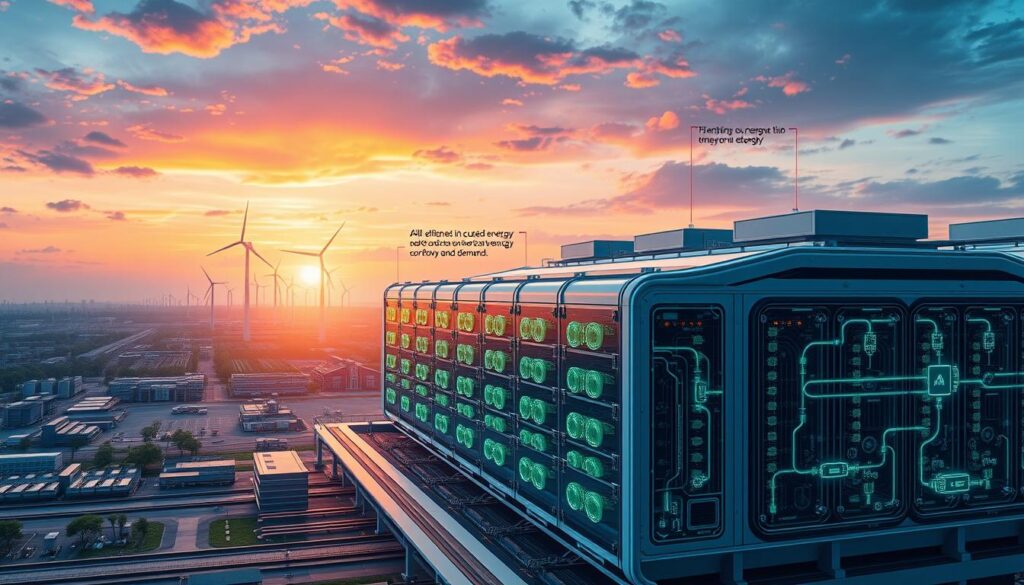
Grid vulnerability is a pressing concern. Aging infrastructure, cyber threats, and natural disasters all pose risks to power systems. Upgrading and securing the grid requires substantial investment and innovative solutions.
Energy storage capacity plays a vital role in addressing these challenges. Current storage methods often fall short of meeting grid needs. Developing new technologies to store and distribute power efficiently is key to future grid stability.
“The power grid is the backbone of our modern society. We must innovate to ensure its reliability and resilience.”
| Challenge | Impact | Potential Solution |
|---|---|---|
| Renewable Integration | Inconsistent power supply | Advanced energy storage systems |
| Peak Demand | Grid overload, blackouts | Smart load management |
| Grid Vulnerability | Security risks, outages | Infrastructure upgrades, cybersecurity |
| Storage Capacity | Limited power reserves | High-capacity battery technology |
Innovations in Energy Storage for Grid Resilience
Grid resilience is getting a boost from cutting-edge energy storage technologies. Advanced battery technologies are leading the charge, with solid-state batteries offering higher energy density and improved safety. These batteries can store more power in a smaller space, making them ideal for urban grid applications.
Flow batteries are another promising innovation. Unlike traditional batteries, flow batteries store energy in liquid electrolytes, allowing for easy scaling of capacity. This makes them perfect for large-scale grid storage, providing extended backup power during outages or peak demand periods.
Hydrogen storage is emerging as a versatile option for long-term energy storage. By using excess renewable energy to produce hydrogen through electrolysis, we can store vast amounts of energy for later use. When needed, this hydrogen can be converted back into electricity, providing a clean and efficient power source.
Hydrogen storage could be the key to unlocking 100% renewable energy grids.
Compressed air energy storage is making waves in the industry. This technology uses surplus electricity to compress air, which is stored in underground caverns. When power is needed, the compressed air is released to drive turbines, generating electricity. It’s a cost-effective solution for large-scale, long-duration energy storage.
These innovations are addressing specific grid challenges and contributing to overall system stability. By providing flexible, reliable, and efficient storage options, they’re paving the way for a more resilient and sustainable energy future.
Smart Grid Integration and Energy Management
Smart grid technologies are revolutionizing the energy landscape. These advanced systems merge seamlessly with energy storage solutions to create a more resilient and efficient power grid. Energy management systems play a crucial role in this integration, optimizing power distribution and consumption.
Demand response programs are a key feature of smart grids. They allow consumers to adjust their energy use based on real-time grid conditions. This flexibility helps balance supply and demand, reducing strain on the grid during peak hours.
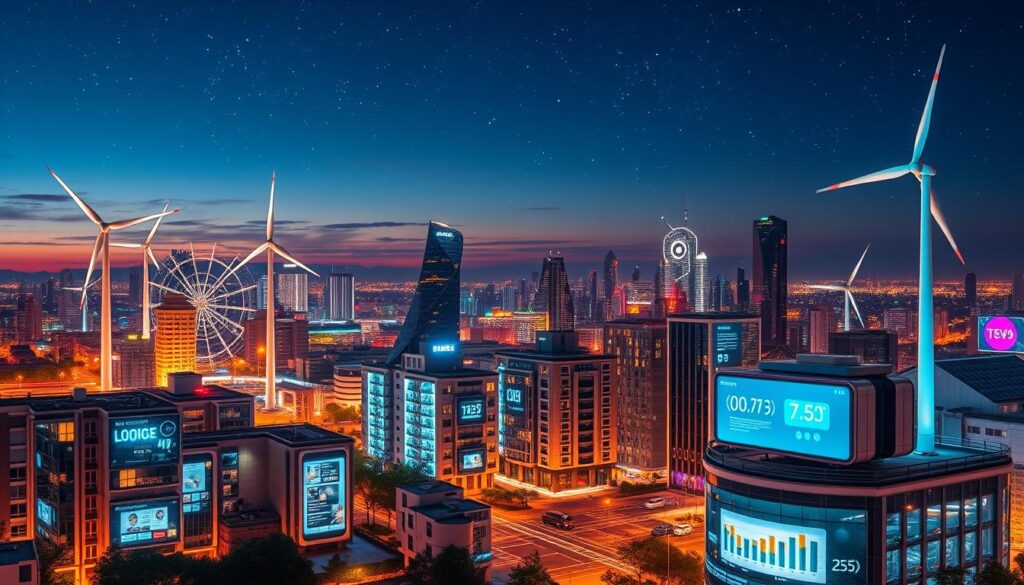
Grid optimization is another critical aspect of smart grid integration. Advanced algorithms analyze vast amounts of data to predict energy needs and optimize power flow. This leads to reduced energy waste and improved overall efficiency.
“Smart grids are the backbone of our energy future, enabling a more sustainable and reliable power system.”
The integration of artificial intelligence and machine learning further enhances grid performance. These technologies can predict equipment failures, optimize maintenance schedules, and improve energy storage efficiency.
| Smart Grid Feature | Benefits |
|---|---|
| Demand Response | Balances supply and demand, reduces peak loads |
| Energy Management Systems | Optimizes power distribution, improves efficiency |
| Grid Optimization | Reduces energy waste, enhances reliability |
| AI Integration | Predicts failures, optimizes maintenance |
As smart grid technologies continue to evolve, they promise to create a more dynamic, responsive, and efficient energy ecosystem. This transformation will play a vital role in meeting our growing energy needs while promoting sustainability and reliability.
Economic Impact and Market Transformation
The energy storage market is experiencing unprecedented growth. As grid modernization efforts gain momentum, investment opportunities in this sector are expanding rapidly. The push for cleaner energy sources and grid stability has created a fertile ground for innovation and economic development.
Cost reduction strategies are at the forefront of industry efforts. Technological advancements and economies of scale are driving down prices, making energy storage solutions more accessible. This trend is reshaping the energy landscape, opening doors for new players and business models.
“The energy storage market is projected to reach $500 billion by 2035, representing a significant opportunity for investors and businesses alike.”
Grid modernization is another key factor driving market transformation. Utilities are investing heavily in upgrading infrastructure to accommodate renewable energy sources and enhance grid resilience. This shift is creating a ripple effect across the energy sector, spurring job creation and economic growth.
| Year | Market Size (USD Billion) | Growth Rate (%) |
|---|---|---|
| 2020 | 120 | 15 |
| 2025 | 250 | 20 |
| 2030 | 400 | 25 |
As the energy storage market continues to evolve, it’s clear that its impact extends far beyond the energy sector. From job creation to technological innovation, the economic implications of this transformation are profound and far-reaching.
Conclusion
The future of grid resilience hinges on groundbreaking energy storage technologies. These innovations are reshaping our power systems, paving the way for more sustainable energy solutions. As we’ve explored, grid-scale storage solutions play a crucial role in maximizing renewable energy use and ensuring a stable power supply.
Technological advancements in battery systems, smart grid integration, and hybrid energy solutions are propelling us towards a more secure and efficient energy future. These breakthroughs not only enhance grid stability but also support the widespread adoption of clean energy sources like solar and wind power.
As we look ahead, the importance of continued innovation in energy storage cannot be overstated. It’s clear that these technologies will be key drivers in building resilient, flexible, and sustainable energy systems. By embracing these advancements, we’re not just improving energy security – we’re laying the foundation for a greener, more reliable power grid that can meet the demands of our ever-evolving world.
FAQ
What are the main challenges facing modern grid storage?
How do energy storage technologies contribute to grid stability?
What are some innovative energy storage solutions for grid resilience?
How does smart grid integration enhance energy management?
What economic impacts do energy storage innovations have on the grid?
How are energy storage technologies affecting power distribution systems?
What role does energy storage play in the future of sustainable energy systems?
