
How Bioenergy Is Turning Waste into Sustainable Power
In a world increasingly focused on sustainability, bioenergy has emerged as a transformative solution to two pressing global challenges: waste management and energy production.
By converting organic waste into usable energy, bioenergy not only reduces landfill dependency but also provides a renewable alternative to fossil fuels.
This article delves into the innovative ways bioenergy is turning waste into sustainable power, exploring its benefits, technologies, and future potential.
The Concept of Bioenergy: A Renewable Powerhouse
Bioenergy refers to energy derived from organic materials, known as biomass, which includes agricultural residues, food waste, forestry by-products, and even animal manure.
Unlike fossil fuels, which take millions of years to form, biomass is a renewable resource that can be replenished relatively quickly.
The process of converting these materials into energy can take various forms, including combustion, anaerobic digestion, and gasification.
One of the most compelling aspects of bioenergy is its ability to address two critical issues simultaneously.
First, it provides a sustainable energy source that can help reduce greenhouse gas emissions.
Second, it offers a practical solution for managing organic waste, which would otherwise contribute to environmental pollution.
For instance, landfills are a significant source of methane, a potent greenhouse gas. By diverting organic waste to bioenergy production, we can mitigate these emissions while generating power.
Moreover, bioenergy is versatile. It can produce electricity, heat, and even biofuels for transportation.
This flexibility makes it a valuable component of a diversified energy portfolio, capable of supporting various sectors and reducing reliance on non-renewable resources.
The Science Behind Bioenergy: How Waste Becomes Power
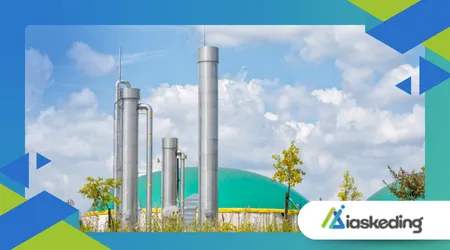
The transformation of waste into bioenergy relies on advanced technologies that harness the energy stored in organic materials.
One of the most common methods is anaerobic digestion, a biological process where microorganisms break down biodegradable material in the absence of oxygen.
This process produces biogas, a mixture of methane and carbon dioxide, which can be used to generate electricity or heat.
Another method is gasification, which involves heating biomass at high temperatures in a low-oxygen environment to produce syngas, a combustible gas mixture.
Syngas can be used directly for heating or further processed into liquid fuels.
Additionally, combustion is a straightforward approach where biomass is burned to produce steam, which drives turbines to generate electricity.
Each of these methods has its advantages and applications.
For example, anaerobic digestion is particularly effective for wet waste like food scraps and animal manure, while gasification is better suited for drier materials such as wood chips and agricultural residues.
The choice of technology depends on the type of biomass available and the desired end product.
++ Green Hydrogen Infrastructure: The Next Energy Revolution
Table 1: Comparison of Bioenergy Production Methods
| Method | Feedstock Type | End Product | Advantages | Challenges |
|---|---|---|---|---|
| Anaerobic Digestion | Wet waste (e.g., food scraps, manure) | Biogas (methane + CO2) | Reduces methane emissions, handles wet waste | Requires careful management of microorganisms |
| Gasification | Dry waste (e.g., wood chips, crop residues) | Syngas (CO + H2) | High energy efficiency, versatile | Complex process, high initial costs |
| Combustion | Various (e.g., wood, agricultural waste) | Heat, electricity | Simple, well-established technology | Air pollution if not properly managed |
Environmental Benefits of Bioenergy: A Greener Future
The environmental advantages of bioenergy are undeniable.
By converting waste into energy, it reduces the volume of organic material sent to landfills, thereby minimizing methane emissions.
Methane is 28 times more potent than carbon dioxide as a greenhouse gas, making its reduction a critical step in combating climate change.
Furthermore, bioenergy is considered carbon-neutral in many cases. While burning biomass releases carbon dioxide, the plants used as feedstock absorb an equivalent amount of CO2 during their growth.
This creates a closed carbon cycle, unlike fossil fuels, which introduce additional carbon into the atmosphere.
However, it’s important to note that the carbon neutrality of bioenergy depends on sustainable practices, such as replanting harvested biomass and avoiding deforestation.
In addition to mitigating climate change, bioenergy can improve air quality.
Modern bioenergy facilities are equipped with advanced filtration systems that capture particulate matter and other pollutants.
This is a significant improvement over traditional biomass burning, which can contribute to air pollution.
Economic and Social Impacts: Empowering Communities
Beyond its environmental benefits, bioenergy has the potential to drive economic growth and social development.
The bioenergy sector creates jobs in areas such as feedstock collection, facility operation, and technology development.
These jobs are often located in rural areas, where biomass resources are abundant, providing economic opportunities in regions that may lack other industries.
Moreover, bioenergy can enhance energy security by reducing dependence on imported fossil fuels.
Countries with abundant biomass resources can produce their own energy, insulating themselves from volatile global oil and gas markets.
This is particularly important for developing nations, where energy access remains a significant challenge.
On a social level, bioenergy projects can empower communities by providing access to clean and affordable energy.
For example, small-scale biogas digesters can supply households with cooking fuel, reducing the need for firewood and improving indoor air quality.
This has a direct impact on health, particularly for women and children who are most affected by smoke-related illnesses.
++ Decentralized Energy Systems and Their Impact
Table 2: Economic and Social Benefits of Bioenergy
| Benefit | Description | Example |
|---|---|---|
| Job Creation | Employment in feedstock collection, facility operation, and R&D | Rural communities in India operating biogas plants |
| Energy Security | Reduced reliance on imported fossil fuels | Brazil’s use of sugarcane ethanol for transportation |
| Improved Health | Cleaner cooking fuels reduce indoor air pollution | Household biogas systems in Nepal |
| Rural Development | Economic opportunities in biomass-rich areas | Bioenergy cooperatives in sub-Saharan Africa |
Challenges and Criticisms: Addressing the Concerns
Despite its many advantages, bioenergy is not without challenges.
One major concern is the competition between bioenergy production and food security.
Using crops like corn and sugarcane for biofuels can drive up food prices and reduce the availability of arable land for agriculture.
To address this, researchers are exploring non-food biomass sources, such as algae and agricultural residues, which do not compete with food production.
Another issue is the sustainability of biomass sourcing.
Unsustainable practices, such as deforestation or overharvesting, can negate the environmental benefits of bioenergy.
To ensure sustainability, certification schemes and regulations are being developed to promote responsible biomass production.
Additionally, the efficiency of bioenergy technologies varies widely. While some methods, like gasification, offer high energy yields, others may be less efficient or more costly.
Continued research and innovation are essential to improve the performance and affordability of bioenergy systems.
The Future of Bioenergy: Innovations and Opportunities
The future of bioenergy is bright, with ongoing advancements in technology and policy driving its growth.
One promising area is the development of second-generation biofuels, which are made from non-food biomass and offer higher energy yields with lower environmental impacts.
Algae-based biofuels, for example, have the potential to produce significantly more energy per acre than traditional crops.
Another exciting innovation is the integration of bioenergy with other renewable energy sources.
For instance, bioenergy can complement solar and wind power by providing a stable energy supply when sunlight or wind is unavailable.
This hybrid approach can enhance the reliability and resilience of renewable energy systems.
Governments and organizations worldwide are also recognizing the potential of bioenergy.
Policies such as renewable energy mandates and carbon pricing are creating favorable conditions for bioenergy development.
Meanwhile, international collaborations are fostering knowledge sharing and technology transfer, accelerating the global adoption of bioenergy.
Table 3: Innovations in Bioenergy
| Innovation | Description | Potential Impact |
|---|---|---|
| Second-Generation Biofuels | Made from non-food biomass (e.g., algae, agricultural waste) | Higher energy yields, reduced competition with food |
| Hybrid Energy Systems | Integration of bioenergy with solar, wind, and other renewables | Enhanced reliability and resilience of energy systems |
| Carbon Capture and Storage (CCS) | Capturing CO2 emissions from bioenergy facilities | Achieving negative emissions, combating climate change |
Conclusion: Bioenergy as a Catalyst for Change
In conclusion, bioenergy represents a powerful tool for addressing some of the most pressing challenges of our time.
By turning waste into sustainable power, it offers a practical solution for waste management, energy production, and climate change mitigation.
While challenges remain, ongoing innovations and supportive policies are paving the way for a brighter, greener future.
As we continue to explore the potential of bioenergy, it is crucial to adopt sustainable practices and prioritize responsible sourcing.
With the right approach, bioenergy can play a central role in the global transition to a low-carbon economy, empowering communities, protecting the environment, and securing a sustainable future for generations to come.
By embracing bioenergy, we are not just managing waste—we are transforming it into a valuable resource that powers our world sustainably.
The journey from waste to energy is a testament to human ingenuity and our ability to innovate in the face of adversity.
Let’s harness the power of bioenergy to create a cleaner, greener, and more sustainable future.
++ Wind Power and Its Role in Energy Independence for Remote Communities
