
Decentralized Energy Systems and Their Impact
The world of energy is changing fast. Decentralized energy systems are reshaping how we make and use power. These systems bring energy production closer to home, offering a fresh take on powering our lives.
At the heart of this shift are microgrids and smart grids. These networks allow for more flexible and efficient distributed power generation. They’re paving the way for greater energy independence and a more sustainable future.
As we face growing energy needs and climate concerns, these systems offer hope. They promise a resilient and eco-friendly approach to meeting our power demands. Let’s explore how decentralized energy is sparking a revolution in the way we think about and use electricity.
Understanding Decentralized Energy Systems: A Comprehensive Overview
Decentralized energy systems mark a shift from traditional power models. These systems bring energy production closer to home, fostering local power production and energy democratization. At their core, they empower communities to generate, store, and distribute electricity on a smaller scale.
A key feature of these systems is the rise of prosumers – individuals who both produce and consume energy. With rooftop solar panels and small wind turbines, homeowners can generate their own power. This shift reduces reliance on large, centralized power plants and promotes grid flexibility.
Energy storage plays a crucial role in decentralized systems. Batteries and other storage technologies allow excess energy to be saved for later use. This capability smooths out supply and demand, making the grid more stable and efficient.
Smart grid technology ties these elements together. It enables two-way communication between utilities and consumers, optimizing energy flow and usage. This integration enhances system reliability and allows for better management of renewable energy sources.
“Decentralized energy systems are not just about technology; they’re about empowering communities and individuals to take control of their energy future.”
The move towards decentralized energy systems represents a fundamental change in how we think about and use electricity. It’s a step towards a more resilient, sustainable, and democratic energy landscape.
Benefits of Distributed Power Generation
Distributed power generation brings a host of advantages to our energy landscape. By placing power sources closer to end-users, these systems boost energy efficiency and cut transmission losses. This approach enhances grid resilience, fortifying our energy security against potential disruptions.
One key benefit is peak load reduction. During high-demand periods, distributed systems can ease strain on the main grid, ensuring more stable power supply. Let’s look at some real-world examples:
| Location | System Type | Benefits Achieved |
|---|---|---|
| New York City | Rooftop Solar + Battery Storage | 20% Peak Load Reduction |
| California | Microgrids | 30% Improved Energy Efficiency |
| Texas | Combined Heat and Power | 40% Reduced Transmission Losses |
These examples showcase how distributed generation can significantly improve energy systems. By reducing reliance on centralized power plants, we’re building a more robust and efficient energy infrastructure.
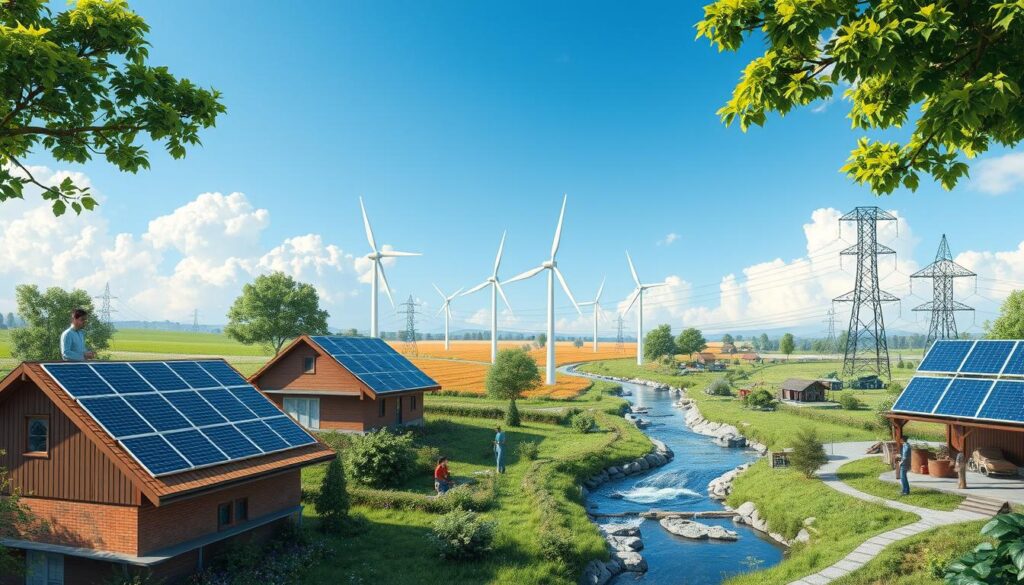
The shift towards distributed generation marks a pivotal change in our approach to power. It’s not just about generating electricity; it’s about creating a smarter, more resilient grid that can meet our growing energy needs while reducing environmental impact.
“Distributed generation is the future of energy. It’s about power to the people, quite literally.” – Energy Expert
Renewable Integration in Decentralized Energy Systems
Decentralized energy systems are embracing renewable sources to create a cleaner, more sustainable future. Solar power leads the charge, offering scalable solutions for homes and businesses alike. Rooftop panels and solar farms are becoming common sights, transforming unused spaces into power generators.
Wind energy is another key player in the renewable mix. Small-scale turbines can be integrated into local grids, harnessing natural breezes to power communities. In rural areas, these turbines often complement existing power sources, boosting energy independence.
Biomass and geothermal energy are gaining traction in specific regions. Biomass plants convert organic waste into electricity, while geothermal systems tap into Earth’s heat. These technologies offer steady power output, balancing the intermittent nature of solar and wind.
“Hybrid systems are the future of decentralized energy. By combining multiple renewable sources, we can ensure reliable power supply while maximizing environmental benefits.”
Hybrid systems are emerging as a powerful solution, blending different renewable sources. A typical setup might include:
- Solar panels for daytime power generation
- Wind turbines for around-the-clock energy production
- Battery storage to smooth out supply fluctuations
- Biomass or geothermal as backup power sources
This approach ensures consistent energy availability while reducing reliance on fossil fuels. As technology advances, these integrated systems will become more efficient and accessible, paving the way for a greener energy landscape.
Environmental and Economic Implications
Decentralized energy systems play a crucial role in carbon footprint reduction. By shifting away from fossil fuels, these systems significantly lower greenhouse gas emissions. This transition aligns with global efforts for sustainable development and helps combat climate change.
The adoption of decentralized energy systems creates a ripple effect in local economies. Job creation in the renewable energy sector is a notable benefit. From installation to maintenance, these systems require skilled workers, boosting employment opportunities in communities.

Energy cost savings are a major advantage for consumers and businesses alike. While initial setup costs may be high, long-term savings on utility bills make decentralized systems financially attractive. This economic benefit encourages wider adoption and contributes to a more resilient energy infrastructure.
Decentralized energy systems support the circular economy model. They promote resource efficiency and waste reduction. By generating power closer to the point of use, these systems minimize transmission losses and optimize energy consumption.
| Aspect | Impact |
|---|---|
| Environmental | Reduced carbon emissions, improved air quality |
| Economic | Job creation, lower energy costs |
| Social | Energy independence, community empowerment |
| Technological | Innovation in renewable energy, smart grid development |
The shift towards decentralized energy systems represents a significant step in building a sustainable future. It addresses both environmental concerns and economic needs, paving the way for a more resilient and eco-friendly energy landscape.
Challenges and Future Development
Decentralized energy systems face hurdles in grid integration. Power companies struggle to balance supply and demand with unpredictable renewable sources. Outdated regulatory frameworks hinder progress, as laws often favor traditional centralized models.
Energy storage advancements are crucial for system stability. New battery technologies and pumped hydro storage show promise, but scaling remains challenging. Cybersecurity threats loom large as grids become more interconnected and digitized.
Artificial intelligence in energy management offers solutions. Smart algorithms can predict consumption patterns and optimize resource allocation. AI-powered microgrids can autonomously manage local energy flows, enhancing system resilience.
“The future of decentralized energy lies in seamless integration, advanced storage, and intelligent management,” says Dr. Sarah Chen, energy systems expert.
| Challenge | Potential Solution |
|---|---|
| Grid integration | Advanced forecasting tools |
| Regulatory barriers | Policy reform initiatives |
| Energy storage | Next-gen battery research |
| Cybersecurity | Blockchain-based security protocols |
As technology evolves, these challenges will likely diminish. The path forward involves collaboration between policymakers, utilities, and innovators to create a robust, flexible, and secure decentralized energy landscape.
Conclusion
Decentralized energy systems are reshaping the global energy landscape. They offer a path toward a sustainable future by promoting renewable integration and energy democratization. These systems empower communities to take control of their energy needs, fostering resilience and independence.
The energy transition is gaining momentum worldwide. Technological innovation in distributed power generation is driving this shift. From solar panels on rooftops to smart microgrids, these advancements are making clean energy more accessible and affordable for all.
As we look ahead, the global adoption of decentralized energy systems will play a crucial role in combating climate change. By reducing reliance on fossil fuels and embracing cleaner alternatives, we can build a more sustainable and equitable energy future. The journey may be challenging, but the potential rewards for our planet and future generations are immeasurable.
FAQ
What are decentralized energy systems?
How do decentralized energy systems differ from traditional centralized systems?
What are the main benefits of decentralized energy systems?
Which renewable energy sources can be integrated into decentralized systems?
How do decentralized energy systems impact the environment?
What economic benefits do decentralized energy systems offer?
What challenges do decentralized energy systems face?
How do microgrids fit into decentralized energy systems?
What role does energy storage play in decentralized systems?
How do decentralized energy systems contribute to energy democratization?
