
E-scooter sharing systems: Opportunities and challenges
E-scooter sharing systems have become increasingly popular, offering a convenient and environmentally friendly mode of transportation.
As a key component of micromobility, these systems provide users with a sustainable transportation option, reducing carbon emissions and promoting eco-friendly travel. The global electric scooter sharing market size was evaluated at USD 18.6 billion in 2019 and is expected to reach USD 28.56 billion by 2025 at a 7.3% CAGR, highlighting the growing demand for e-scooter sharing systems.
With e-scooter sharing services available in 177 US and European cities as of March 2020, it’s clear that these systems are becoming an integral part of urban transportation. As the market continues to grow, it’s essential to understand the opportunities and challenges associated with e-scooter sharing systems, including their role in promoting sustainable transportation and micromobility.
The rise of e-scooter sharing systems has significant implications for the future of transportation, with the potential to reduce carbon emissions and promote more sustainable modes of travel. As the market continues to evolve, it’s crucial to explore the benefits and challenges of e-scooter sharing systems, including their impact on urban mobility and the environment, and to examine the ways in which they can contribute to a more sustainable transportation landscape.
Understanding E-scooter Sharing Systems
E-scooter sharing models have become increasingly popular, offering a convenient and environmentally friendly mode of transportation. There are two main types of e-scooter sharing systems: dockless scooters and station-based scooters. Dockless scooters can be parked anywhere, while station-based scooters require a designated parking spot.
For more information on e-scooter sharing systems, visit the e-scooter sharing systems page. The benefits of e-scooter sharing models include reduced traffic congestion and lower emissions. However, there are also challenges associated with e-scooter sharing systems, such as safety concerns and the need for proper infrastructure.
Some key statistics about e-scooter sharing systems include:
- Roughly 60% of vehicle trips globally are less than 5 miles.
- Citi Bike statistics indicate that demand for electric bikes is 3 times higher than traditional human-powered bikes.
- Telepod in Singapore observed nearly 7 times more demand for shared e-scooters compared to shared bicycles.
In conclusion, e-scooter sharing models, including dockless scooters and station-based scooters, offer a convenient and environmentally friendly mode of transportation. As the demand for e-scooter sharing systems continues to grow, it is essential to address the challenges associated with these systems and work towards creating a safer and more sustainable transportation infrastructure.
The Evolution of Urban Mobility Solutions
As cities continue to grow and urban populations increase, the need for efficient and sustainable urban mobility solutions has become a pressing concern. In recent years, micromobility options, such as e-scooters, have emerged as a popular alternative to traditional modes of transportation. With the rise of e-scooter sharing systems, cities around the world are experiencing a significant shift in the way people move around.
The integration of e-scooters into existing transportation solutions has been rapid, with many cities adopting these systems as a way to reduce congestion and promote sustainable transportation. According to recent data, shared e-scooters were introduced in the United States in September 2017, and since then, the systems have spread rapidly across more than 300 cities globally. This growth is a testament to the increasing demand for innovative and environmentally friendly urban mobility solutions.
Some notable examples of cities that have successfully integrated e-scooter sharing systems into their transportation solutions include Lisbon, Portugal, and Paris, France. In Lisbon, for instance, e-scooter sharing providers have seen a significant increase in usage, with over 1.8 million trips reported in a single year. Similarly, in Paris, over 20,000 shared e-scooters are rented daily for commuting, highlighting the popularity of micromobility options among urban residents.
As cities continue to evolve and adapt to the changing needs of their residents, the importance of efficient and sustainable urban mobility solutions will only continue to grow. By embracing innovative transportation solutions like e-scooter sharing systems, cities can reduce congestion, promote sustainability, and improve the overall quality of life for their residents.
Environmental Benefits of E-scooter Sharing
E-scooter sharing systems offer numerous environmental benefits, including the reduction of carbon emissions and traffic congestion. By providing an alternative mode of transportation for short distances, e-scooter sharing systems can help decrease the number of cars on the road, resulting in lower emissions. In fact, studies have shown that e-scooters can replace up to 50% of short-distance car trips in US cities and up to 70% in UK cities.
Some of the key environmental benefits of e-scooter sharing include:
- Reduced carbon emissions: E-scooters produce significantly fewer emissions than traditional gasoline-powered cars, with total greenhouse gas emissions per mile estimated at 62 grams of carbon dioxide per kilometer.
- Decreased traffic congestion: By providing an alternative mode of transportation, e-scooter sharing systems can help reduce the number of cars on the road, resulting in lower traffic congestion and decreased air pollution.
- Increased use of sustainable transportation: E-scooter sharing systems promote the use of sustainable transportation, which can help reduce our reliance on fossil fuels and decrease our carbon footprint.
As cities continue to grow and urbanize, the need for sustainable transportation solutions like e-scooter sharing will only continue to increase. By adopting e-scooter sharing systems, cities can reduce their carbon emissions, decrease traffic congestion, and promote the use of sustainable transportation.
| Mode of Transportation | Greenhouse Gas Emissions per Mile |
|---|---|
| E-scooter | 62 grams of carbon dioxide per kilometer |
| Gasoline-powered car | 404 grams of carbon dioxide per mile |
| Electric bicycle | 21 grams of carbon dioxide per kilometer |
Economic Implications for Cities and Users
The economic implications of e-scooter sharing systems are multifaceted, with benefits including job creation and cost savings for cities and users. As cities adopt e-scooter sharing systems, they can generate revenue through licensing fees and taxes, while also creating jobs for maintenance and repair personnel. According to a study published in the European Transport Research Review, the number of shared bicycles in the US grew to 42,000 by 2016, indicating a significant market for micromobility options.
A key aspect of e-scooter sharing systems is their potential for cost savings. By providing an alternative to car ownership, e-scooters can help reduce traffic congestion and decrease the financial burden of vehicle maintenance and parking. As noted in a study on urban mobility, e-scooters can be a cost-effective option for short trips, making them an attractive choice for commuters. Some of the benefits of e-scooter sharing systems include:
- Reduced traffic congestion
- Decreased air pollution
- Increased mobility options
- Job creation in the maintenance and repair sector
- Cost savings for users and cities
As the e-scooter sharing market continues to grow, it is likely to have significant economic implications for cities and users. With the potential for job creation and cost savings, e-scooter sharing systems can play a key role in shaping the future of urban mobility.
Safety Considerations and Regulations
As e-scooter sharing systems continue to grow in popularity, safety considerations have become a top priority. With the increasing number of e-scooters on the roads, cities and companies must implement regulations to ensure the safety of users. One of the most important regulations is the enforcement of helmet laws, which can significantly reduce the risk of head injuries in the event of an accident.
According to recent data, inexperience is cited as the primary cause of most accidents involving electric scooters. To combat this, education is deemed essential for ensuring safe operation and respectful use of e-scooters by users and other road and sidewalk users. Some key safety considerations include wearing protective gear such as gloves, eyewear, and a helmet, as well as performing a pre-ride check on the scooter before each use.
Additionally, regulations such as speed limits and separate infrastructure for e-scooters can help reduce the risk of accidents. Some cities have also implemented audible warning devices on scooters, which can alert pedestrians and other riders to the presence of an e-scooter. By prioritizing safety considerations and implementing effective regulations, we can create a safer and more enjoyable experience for e-scooter users.
Key safety considerations for e-scooter users include:
- Wearing a helmet and other protective gear
- Following traffic laws and regulations
- Being aware of their surroundings and other road users
- Performing regular maintenance on their e-scooter
Technology Behind Modern E-scooter Sharing Systems
The technology behind modern e-scooter sharing systems is sophisticated and plays a crucial role in their operation. GPS tracking and mobile apps enable users to locate and rent e-scooters, as well as provide companies with valuable data on usage patterns. This technology is essential for the efficient operation of e-scooter sharing systems.
Some key features of modern e-scooter sharing systems include:
- GPS tracking to monitor the location of e-scooters
- Mobile apps for users to rent and manage e-scooters
- Data analytics to optimize e-scooter distribution and usage
These features are made possible by advances in technology, which have enabled the development of efficient and user-friendly e-scooter sharing systems. The use of mobile apps has been particularly significant, as it has allowed users to easily access and manage e-scooters.
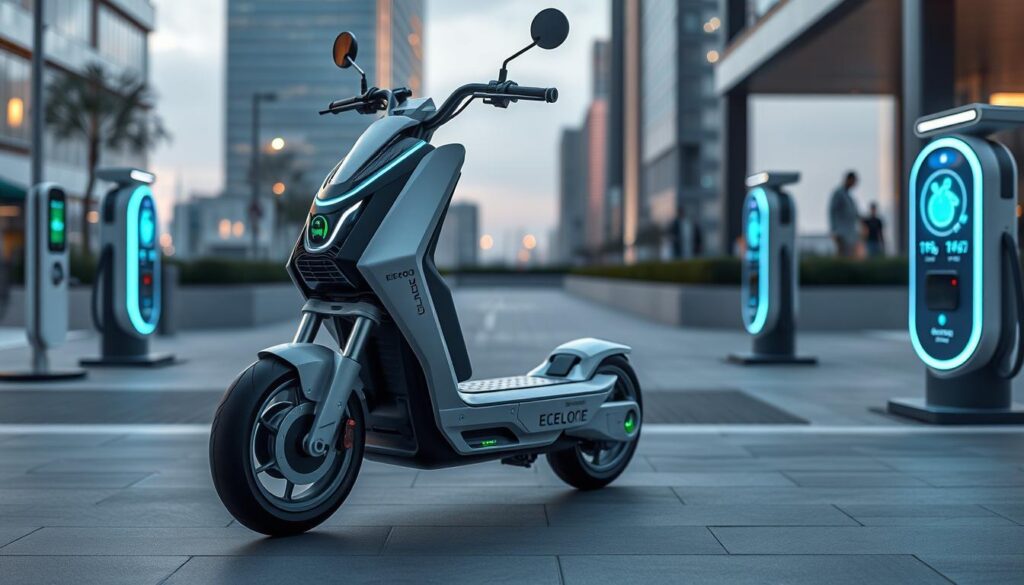
The integration of GPS tracking and mobile apps has also enabled companies to improve the safety and security of their e-scooter sharing systems. By monitoring the location of e-scooters and tracking usage patterns, companies can quickly respond to any issues that may arise.
| Feature | Description |
|---|---|
| GPS Tracking | Monitors the location of e-scooters |
| Mobile Apps | Enables users to rent and manage e-scooters |
| Data Analytics | Optimizes e-scooter distribution and usage |
Infrastructure Requirements and Urban Planning
When it comes to e-scooter sharing systems, infrastructure plays a crucial role in their success. Cities need to invest in urban planning to create a conducive environment for e-scooter sharing, including the development of bike lanes and parking facilities. This not only enhances the overall user experience but also ensures the safety of riders and pedestrians.
A well-planned infrastructure can have a significant impact on the adoption of e-scooter sharing systems. For instance, cities like Brisbane, Australia, have generated significant revenue from e-scooter permits, with $1.7 million generated in 2022 alone. Additionally, a study in Portland, Oregon, found that a shift of just 15% of car trips under five miles to e-scooter rides could save over 100,000 metric tons of CO2 emissions annually.
- Designating bike lanes and parking facilities for e-scooters
- Implementing speed limits and geofencing technology to regulate e-scooter speeds and control access to specific areas
- Creating discounted rides for commuters who combine e-scooters with public transport, as seen in Helsinki, Finland
By investing in infrastructure and urban planning, cities can create a safe and efficient environment for e-scooter sharing systems to thrive, ultimately reducing congestion and promoting sustainable transportation.
User Experience and Accessibility
When it comes to e-scooter sharing systems, user experience and accessibility are crucial factors to consider. A well-designed system should provide an intuitive and seamless experience for users, making it easy for them to rent and operate e-scooters. This includes pricing models that are transparent and affordable, as well as a user interface that is easy to navigate.
Some key features that can enhance user experience and accessibility include:
- Clear and concise instructions on how to use the e-scooters
- Easy-to-use payment systems
- Accessible parking and charging stations
- Real-time information on e-scooter availability and location
A study by Populus research report found that 70% of citizens in major U.S. cities express a positive attitude towards shared e-scooters, highlighting the importance of user experience and accessibility in determining the success of e-scooter sharing systems.
| City | E-scooter Adoption Rate | Key Features |
|---|---|---|
| New York | 25% | Clear instructions, easy payment systems |
| Los Angeles | 30% | Accessible parking, real-time information |
| Chicago | 20% | Easy-to-use interface, affordable pricing models |
By prioritizing user experience and accessibility, e-scooter sharing systems can increase adoption rates and provide a more enjoyable experience for users, ultimately contributing to a more sustainable and environmentally friendly transportation system.
Challenges Facing E-scooter Sharing Programs
E-scooter sharing programs face numerous challenges that can impact their success. One of the significant competition they face is from other modes of transportation, which can create barriers to entry and growth. Additionally, regulatory hurdles, such as licensing requirements and zoning restrictions, can also pose a significant threat to the success of e-scooter sharing programs.
Some of the key statistics that highlight the challenges faced by e-scooter sharing programs include:
- 41% of e-scooter trips would have been taken by car if riders did not have the option to use e-scooters.
- 37% of riders use e-scooters to make connections to public transportation at least once a week.
- E-scooter riders logged 86 million trips in 2019, according to the National Association of City Transportation Officials.
Despite these challenges, e-scooter sharing programs continue to grow in popularity, with the global electric scooter sharing market size projected to reach USD 28.56 billion by 2025. However, to overcome the regulatory hurdles and competition, e-scooter companies need to optimize their daily operations, focus on durability and battery life, and establish partnerships for scalability and growth.
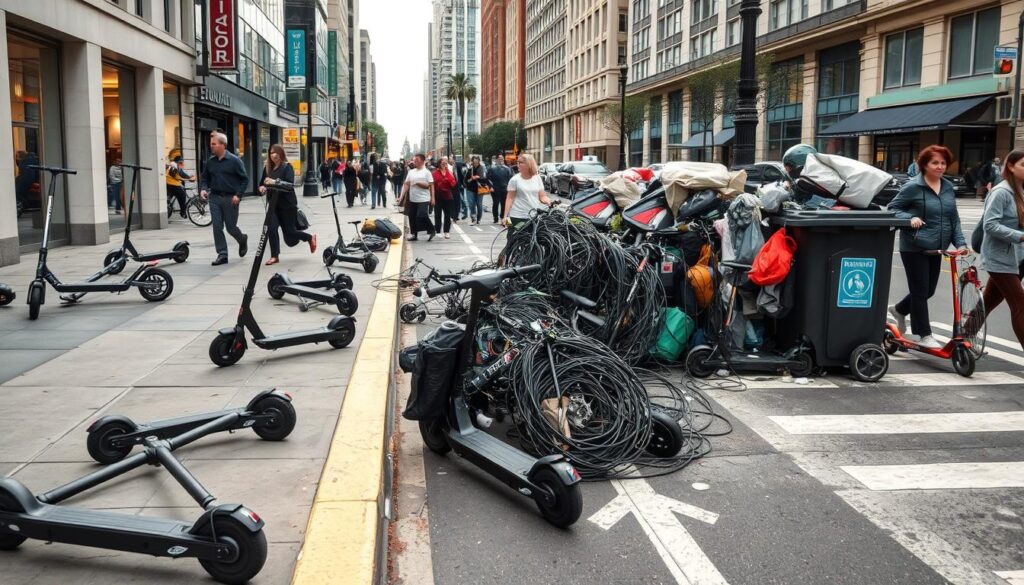
By addressing these challenges and regulatory hurdles, e-scooter sharing programs can continue to provide a convenient and sustainable mode of transportation for millions of people around the world, while also promoting a competition that drives innovation and growth in the industry.
Future Prospects and Industry Trends
The future of e-scooter sharing systems looks promising, with potential integration with public The integration of e-scooters into transportation systems offers users a seamless, eco-friendly mode of travel while reducing congestion and emissions. As trends evolve, innovative solutions continue to promote sustainable transportation.
The global electric scooter market is projected to reach $16.4 billion by 2025, growing at a CAGR of 0.5% to 2.5% from 2020 to 2025. This growth stems from rising demand for eco-friendly transportation and expanded public transit systems. Future prospects for e-scooter sharing are promising, with potential collaborations between companies like Uber and Lyft and government-backed initiatives.
Leading players in the market include Xiaomi Corporation, Helbiz Inc., and Lyft Inc., driving innovation and shaping industry trends. As the market expands, more entrants and advanced solutions are expected.
Government incentives, such as subsidies and tax credits, also fuel market growth. For instance, Taiwan offers subsidies of up to NT$10,000 for electric motorcycle purchases, promoting adoption of sustainable transport options. These measures are instrumental in the e-scooter industry’s continued expansion, aligning with global efforts to foster greener transportation solutions.
| Year | Market Value | CAGR |
|---|---|---|
| 2020 | $1.14 billion | 16.4% |
| 2025 | $2.45 billion | 16.6% |
The industry trends and future prospects of e-scooter sharing systems are closely tied to the growth of public transportation systems. As cities continue to expand and urbanize, the demand for efficient and sustainable transportation options will only continue to grow. The e-scooter sharing industry is well-positioned to meet this demand, with innovative solutions and partnerships that promote public transportation and sustainable transportation options.
Conclusion
In conclusion, e-scooter sharing systems offer a promising solution to the growing demand for convenient and environmentally friendly transportation options in urban areas. As the industry continues to evolve, it is essential to address the challenges while capitalizing on the opportunities these systems present.
Shared e-scooter services have seen rapid growth, with their availability expanding to hundreds of cities worldwide. From Paris to Lisbon, cities have embraced this innovative mode of transportation, with thousands of e-scooters serving commuters and tourists alike. The data shows a clear and growing demand for sustainable mobility solutions, with e-scooter ridership and electric bike-sharing trips on the rise.
Moving forward, the success of e-scooter sharing will depend on striking a balance between user experience, safety, and environmental sustainability. By prioritizing infrastructure development, regulatory frameworks, and technological advancements, cities can ensure that e-scooter sharing systems continue to provide a viable and attractive alternative to traditional modes of transportation.
As we look to the future, the conclusion is clear: e-scooter sharing systems have the potential to transform urban mobility, offering a convenient, eco-friendly, and cost-effective solution that can contribute to more livable, sustainable cities. By embracing this innovative technology and addressing its challenges, we can pave the way for a more connected, efficient, and environmentally conscious urban landscape.
FAQ
What are the different types of e-scooter sharing models?
How do e-scooter sharing systems impact urban mobility?
What are the environmental benefits of e-scooter sharing?
What are the economic implications of e-scooter sharing systems?
What are the safety considerations and regulations surrounding e-scooter sharing?
What is the technology behind modern e-scooter sharing systems?
What infrastructure and urban planning are required for e-scooter sharing systems?
How important is user experience and accessibility in e-scooter sharing systems?
What are the challenges facing e-scooter sharing programs?
What are the future prospects and industry trends for e-scooter sharing?
