
The Rise of Affordable Electric Cars for Everyday Drivers
Electric cars are no longer just for the rich and famous. Budget-friendly EVs are hitting the streets, making clean driving a reality for many. The automotive world is changing fast, with affordable electric vehicles leading the charge.
Gone are the days when cheap electric cars seemed like a distant dream. Today, automakers are rolling out cost-effective options that don’t skimp on quality or performance. This shift is opening doors for everyday drivers to join the electric revolution without breaking the bank.
As we dive into the world of affordable electric vehicles, get ready to discover how these cars are reshaping our roads and wallets. The future of driving is here, and it’s more accessible than ever.
Understanding the Electric Vehicle Revolution
The EV market growth is reshaping the automotive landscape. Electric cars are no longer a niche product but a mainstream choice for environmentally conscious consumers. This shift is driven by increasing awareness of climate change and the need for sustainable transportation solutions.
Electric car benefits extend beyond environmental impact. They offer lower operating costs, reduced maintenance, and improved performance. As battery technology advances, range anxiety is becoming less of a concern for potential buyers.
“The transition to electric vehicles is not just a trend, it’s a revolution that’s here to stay,” says a leading industry expert in an interview about the EV revolution.
The environmental impact of EVs is significant. They produce zero tailpipe emissions, contributing to cleaner air in urban areas. When charged with renewable energy, their carbon footprint is drastically reduced compared to traditional vehicles.
| Aspect | Conventional Cars | Electric Vehicles |
|---|---|---|
| Fuel Efficiency | 20-30 mpg | 100-130 MPGe |
| Emissions | High CO2 output | Zero tailpipe emissions |
| Maintenance | Regular oil changes, more parts | Fewer moving parts, less maintenance |
As governments worldwide implement stricter emissions regulations, automakers are investing heavily in EV technology. This push is accelerating innovation and driving down costs, making electric cars more accessible to the average consumer.
Affordable Electric Cars: Top Models in 2024
The electric vehicle market has exploded with options for budget-conscious buyers. In 2024, affordable electric car models have become more accessible than ever. Let’s explore some of the best budget EVs available this year.
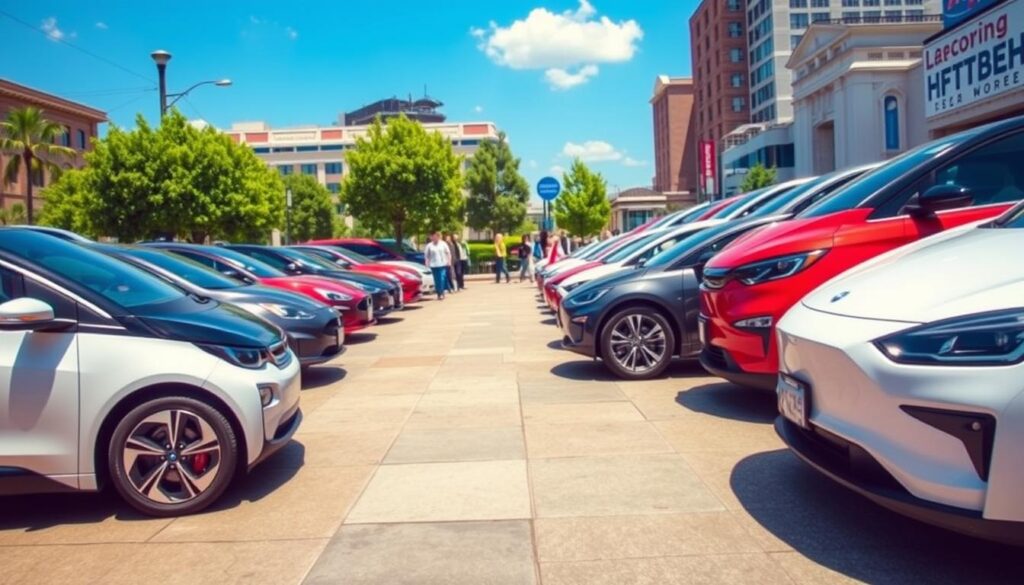
The Nissan Leaf remains a popular choice among entry-level EV shoppers. With its compact design and improved range, it offers great value for city dwellers. The Chevrolet Bolt EV has also made waves with its spacious interior and impressive driving range, making it a strong contender in the affordable electric car segment.
Hyundai’s Kona Electric has gained traction for its sleek styling and long-range capabilities. It’s a perfect blend of practicality and performance for those seeking a budget-friendly electric SUV.
| Model | Range (miles) | Starting Price |
|---|---|---|
| Nissan Leaf | 149-226 | $28,040 |
| Chevrolet Bolt EV | 259 | $26,500 |
| Hyundai Kona Electric | 258 | $33,550 |
When conducting an EV price comparison, it’s clear that these models offer exceptional value. They combine affordability with practical features, making electric driving accessible to a wider audience. As technology advances and production scales up, we can expect even more competitive pricing in the future.
Cost Savings Beyond the Purchase Price
Buying an electric car can lead to significant savings over time. EV maintenance costs are typically lower than those of traditional vehicles. With fewer moving parts and no need for oil changes, electric cars require less upkeep, saving owners money on repairs and routine service.
Fuel savings are another major benefit of electric vehicles. Charging an EV is often cheaper than filling up a gas tank, especially with rising fuel prices. Let’s compare the costs:
| Expense | Electric Vehicle | Gas-Powered Car |
|---|---|---|
| Fuel Cost (per 100 miles) | $5.00 | $12.50 |
| Annual Maintenance | $300 | $750 |
| Yearly Total (15,000 miles) | $1,050 | $2,625 |
Electric car incentives further reduce ownership costs. Many governments offer tax credits, rebates, and other perks to encourage EV adoption. These can include reduced registration fees, access to carpool lanes, and free parking in some cities.
When considering an electric vehicle, factor in these long-term savings. The initial price tag may be higher, but the ongoing benefits often make EVs more economical in the long run. As technology advances and production scales up, we can expect even more affordable electric options in the future.
Infrastructure Development and Accessibility
The growth of electric car infrastructure is revolutionizing the way we think about transportation. EV charging stations are popping up across cities, highways, and even rural areas. This expansion tackles the common concern of range anxiety among potential electric vehicle owners.

Public charging networks are expanding rapidly, making long-distance travel in electric cars more feasible than ever. Many businesses and shopping centers now offer charging points, allowing drivers to top up their batteries while running errands or enjoying leisure activities.
Home charging solutions have also seen significant improvements. Modern electric vehicles come with advanced on-board chargers that work with standard household outlets. For faster charging, homeowners can install dedicated Level 2 chargers, which can fully charge most EVs overnight.
“The convenience of charging your car at home, just like your phone, is a game-changer for many drivers.”
Governments and private companies are investing heavily in electric car infrastructure. This includes not only increasing the number of charging stations but also improving their speed and efficiency. Fast-charging stations can now provide up to 80% charge in just 30 minutes for compatible vehicles.
- Increased availability of public charging stations
- Improved home charging solutions
- Fast-charging technology advancements
- Government and private sector investments
As the infrastructure continues to develop, owning an electric vehicle becomes increasingly practical for everyday drivers. The combination of public charging networks and convenient home charging solutions is making the transition to electric cars smoother than ever before.
Technology Advancements Driving Down Costs
EV battery technology has seen remarkable progress in recent years. Lithium-ion batteries, the heart of electric vehicles, have become more efficient and less expensive. Manufacturers are exploring new materials and designs to boost energy density and reduce production costs.
Electric motor efficiency has also improved significantly. Advanced motor designs and better power electronics have increased the range of EVs while reducing energy consumption. This translates to smaller, cheaper batteries without sacrificing performance.
Manufacturing innovations play a crucial role in making EVs more affordable. Automakers are streamlining production processes and investing in automated assembly lines. This reduces labor costs and improves consistency, leading to higher quality vehicles at lower prices.
“The cost of EV batteries has dropped by 89% over the last decade, making electric cars increasingly competitive with their gasoline counterparts.”
Let’s look at how these advancements have impacted EV costs:
| Year | Battery Cost ($/kWh) | Motor Efficiency | Average EV Price |
|---|---|---|---|
| 2010 | $1,000 | 85% | $70,000 |
| 2015 | $350 | 90% | $55,000 |
| 2020 | $137 | 95% | $40,000 |
| 2024 | $100 | 97% | $30,000 |
These technological advancements are driving down EV costs, making them increasingly accessible to everyday drivers. As research continues, we can expect even more affordable electric vehicles in the near future.
Making the Switch: Practical Considerations
Transitioning to electric cars brings exciting changes to your driving experience. As you embrace this eco-friendly option, you’ll notice shifts in your daily routine and driving habits. Let’s explore some practical aspects of EV ownership.
One of the biggest EV lifestyle changes involves charging habits. Unlike traditional cars, you’ll need to plan your charging schedule. Many EV owners charge their vehicles overnight at home, waking up to a full battery each morning. Public charging stations are becoming more common, making it easier to top up during longer trips.
Trip planning takes on a new dimension with electric vehicles. You’ll need to consider range and charging stops for longer journeys. Thankfully, numerous apps and built-in car systems can help you locate charging stations along your route.
Embracing an EV means rethinking how we fuel our journeys. It’s not just about plugging in; it’s about plugging into a new way of life.
Here’s a quick comparison of typical charging habits for EV owners:
| Charging Type | Frequency | Duration | Best For |
|---|---|---|---|
| Home Charging | Daily | 6-8 hours | Regular use |
| Public Level 2 | Weekly | 3-4 hours | Shopping trips |
| Fast Charging | Monthly | 30-60 minutes | Long journeys |
By understanding these practical considerations, you’ll be well-prepared for the switch to electric driving. Embrace the change, and enjoy the benefits of a cleaner, quieter ride.
Conclusion
The future of affordable EVs looks bright. As technology advances and production scales up, electric cars are becoming more accessible to everyday drivers. This shift marks a turning point in sustainable transportation, with more people able to enjoy the benefits of electric vehicles.
Electric car adoption is on the rise, driven by lower costs, improved range, and expanding charging networks. Automakers are introducing budget-friendly models, making it easier for consumers to make the switch. This trend is set to continue, reshaping our roads and reducing our carbon footprint.
The move towards affordable electric cars is a key step in building a more sustainable transportation system. As battery technology improves and prices drop, we can expect to see even more options for eco-conscious drivers. The electric vehicle revolution is no longer a distant dream – it’s happening now, and it’s within reach for many.
FAQ
What are the most affordable electric car models available in 2024?
How do the long-term costs of owning an electric car compare to a gasoline-powered vehicle?
What kind of range can I expect from an affordable electric car?
Are there government incentives available for purchasing an electric car?
How convenient is it to charge an electric car?
What technological advancements are making electric cars more affordable?
How do electric cars impact the environment compared to traditional vehicles?
What lifestyle changes should I expect when switching to an electric car?
