
How Cities Are Redesigning Streets for Electric Micromobility
Urban planners redesigning streets for electric micromobility are fundamentally transforming city transit corridors to accommodate lightweight vehicles like e-scooters, e-bikes, and cargo mopeds safely.
Rapid growth in battery-powered personal transport has forced municipal authorities to replace outdated car-centric road layouts with protected infrastructure that prevents dangerous conflicts between pedestrians and motorized traffic.
Municipalities deploy physical barriers, dedicated low-speed lanes, intelligent charging hubs, and revised curbside policies to integrate these agile, zero-emission vehicles into existing public transit networks seamlessly.
Examining these structural street modifications reveals how urban centers reduce traffic congestion, lower carbon emissions, and enhance daily mobility for millions of residents seeking efficient commuting options.
How Are Protected Bike Lanes Evolving into Dedicated Micromobility Corridors?
Traditional narrow bicycle paths struggle to accommodate the speed differentials and volume generated by modern electric bikes, standing scooters, and heavy commercial delivery cargo trikes.
Engineers widen standard lanes to at least eight feet, allowing faster battery-powered vehicles to overtake slower pedal-assisted cyclists safely without veering into motor vehicle lanes.
Concrete bollards, raised curbs, and bioswales provide continuous physical separation, protecting light vehicle users from heavy commercial trucks and passenger cars along high-density arterial roads.
Recognizing that redesigning streets for electric micromobility requires robust physical protection, transportation departments reduce severe collision risks while encouraging broader public adoption of eco-friendly transport modes.
Why Is Curbside Management Critical for Orderly Parking and Charging?
Unregulated parking of dockless shared e-scooters often leads to cluttered sidewalks, creating severe tripping hazards and accessibility obstacles for pedestrians with mobility challenges or strollers.
Cities convert underutilized curbside vehicle parking spots into designated geofenced micromobility corrals equipped with induction charging pads and secure locking racks for private users.
Digital municipal regulations enforce automatic speed throttling and parking restrictions using precise GPS geofencing technology, preventing riders from abandoning vehicles on pedestrian footpaths arbitrarily.
Commercial delivery zones integrate dedicated drop-off bays for cargo e-bikes, replacing idling diesel vans and streamlining final-mile logistics across dense commercial districts without blocking travel lanes.
Municipal Street Infrastructure Upgrades for Micromobility
| Street Redesign Feature | Traditional Roadway Standard | Micromobility-Adapted Standard | Primary Operational Benefit |
| Lane Width & Separation | 4-foot painted bike lanes adjacent to traffic | 8-to-10-foot grade-separated protected tracks | Prevents vehicle encroachment and enables safe overtaking |
| Intersection Layout | Direct right-turn conflict zones for cars | Protected Dutch-style signalized intersections | Reduces blind-spot turning collisions significantly |
| Curbside Allocation | Unrestricted curbside automobile parking | Dedicated geofenced parking and charging bays | Eliminates sidewalk clutter and improves accessibility |
| Speed Regulations | Uniform 30 mph citywide speed limits | Zoned limits (15 mph lanes, 8 mph pedestrian zones) | Harmonizes traffic flow and minimizes crash severity |
How Do Protected Intersections Prevent Turning Collisions?
Standard street junctions pose the highest risk for light vehicle riders, particularly when automobiles make sharp right turns across active bicycle lanes without checking blind spots.
Protected intersection designs introduce setback crossing points, corner refuge islands, and dedicated signal phases that give lightweight vehicle operators priority clearance before cars proceed.
Learn more: Micromobility Regulations Reshaping Electric Transport Networks
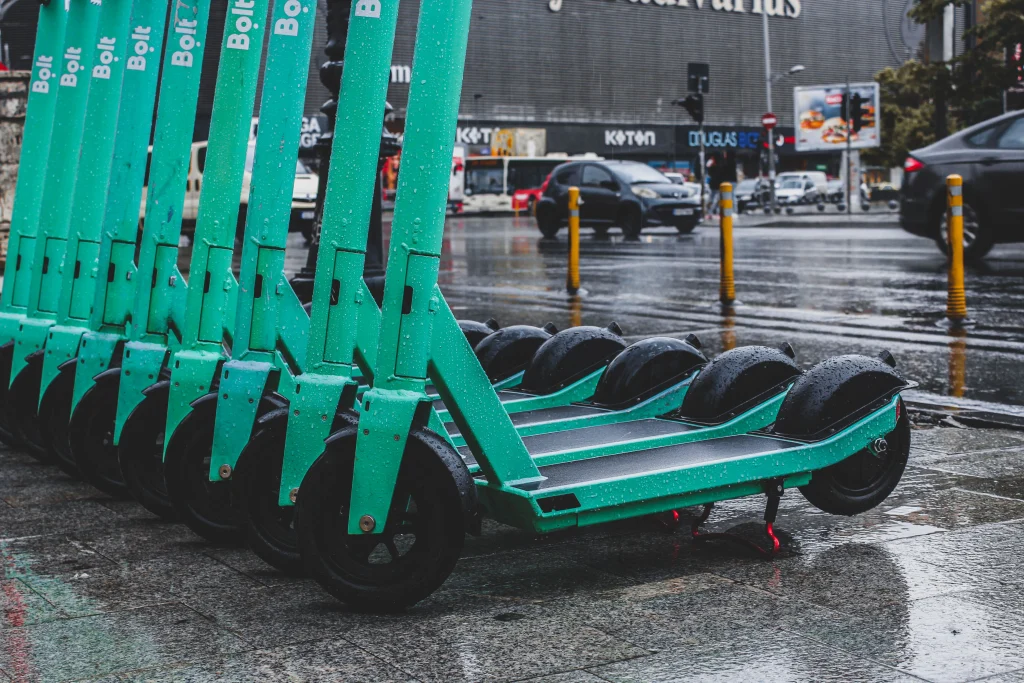
Color-coded high-friction asphalt treatments mark conflict zones clearly, alerting drivers to yield when turning across active micromobility corridors during peak morning traffic hours.
Review published urban street design guidelines and global engineering frameworks maintained by the National Association of City Transportation Officials for detailed geometric planning standards.
When Do Traffic Calming Measures Improve Neighborhood Safety?
Retrofitting residential neighborhoods with raised crosswalks, traffic chicanes, and speed cushions forces passenger automobiles to travel at safer speeds under twenty miles per hour.
Lower vehicle speeds reduce the severity of potential impacts, creating low-stress shared environments where bicycles, e-scooters, and pedestrians coexist without requiring expensive heavy barrier construction.
Read more: How Battery Technology Is Powering Electric Micro-Transit
Modal filters block through-traffic for full-sized automobiles while permitting lightweight electric vehicles to pass, transforming residential streets into peaceful greenways that encourage active transit.
Successful implementation demonstrates how redesigning streets for electric micromobility enhances local air quality, reduces urban heat islands, and fosters quieter, more livable neighborhood communities worldwide.
Which Smart Grid Technologies Support Public Micromobility Charging?
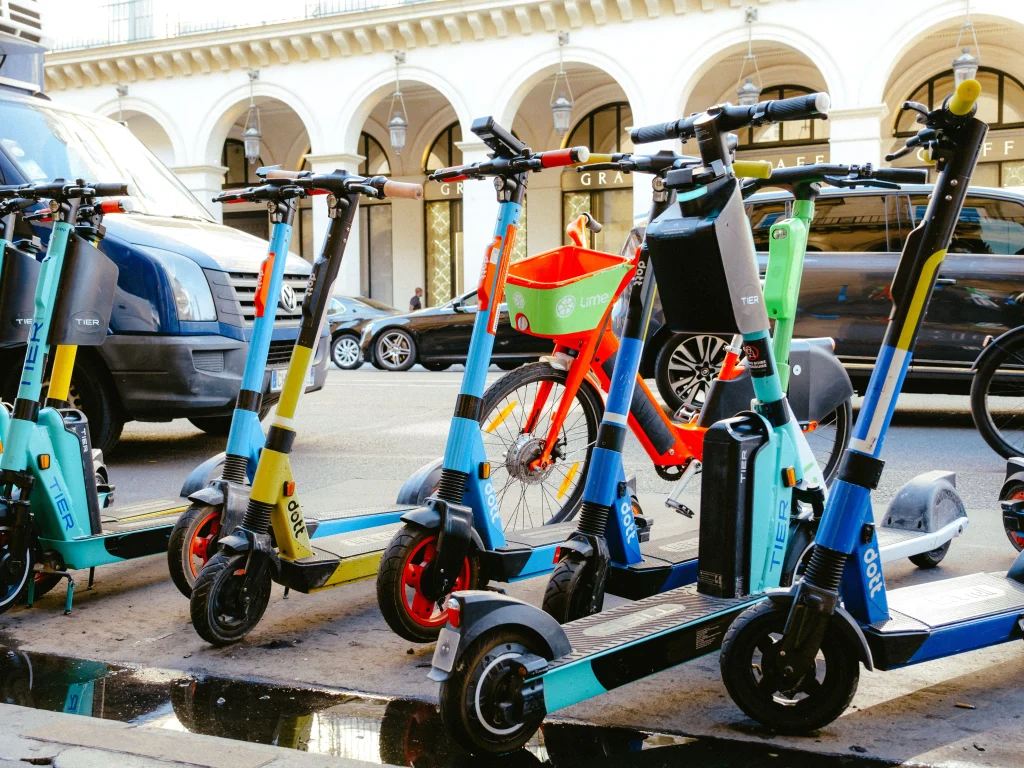
Integrating high-capacity battery charging infrastructure along public street rights-of-way requires balancing localized electrical grid loads without triggering costly transformer overhauls across older city districts.
Smart charging kiosks utilize localized battery storage buffers to draw power during off-peak hours, supplying rapid energy to fleet scooters and private e-bikes during daytime peak usage.
Learn more: Transport Micromobility Parking Space Crisis
Solar-canopy docking hubs harness renewable energy directly on site, offering off-grid charging capabilities while providing weather shelter for waiting transit passengers at suburban bus stops.
Explore urban mobility research, policy frameworks, and sustainable infrastructure reports curated by the World Resources Institute to examine global urban transport transitions.
Frequently Asked Questions (FAQ)
What is the difference between a traditional bike lane and a micromobility lane?
Micromobility lanes are wider, physically protected from car traffic, and designed to handle higher speeds and varying vehicle sizes, including heavy cargo e-bikes.
How do cities prevent e-scooters from being ridden on pedestrian sidewalks?
Cities utilize onboard GPS geofencing technology to detect sidewalk riding automatically, slowing the vehicle down safely or alerting the rider to return to designated lanes.
Do street redesigns for micromobility reduce parking spaces for cars?
Yes, converting street space often requires reallocating some curbside auto parking spaces into protected transit lanes, delivery bays, and vehicle charging corrals.
How do cargo e-bikes benefit from redesigned city streets?
Wider lanes and dedicated loading bays allow cargo e-bikes to bypass vehicle traffic congestion, making urban deliveries faster, cheaper, and cleaner than traditional delivery vans.
Observing how cities are redesigning streets for electric micromobility highlights an essential shift toward safer, cleaner, and more human-scaled urban transportation networks.
Adapting street geometries, curbside policies, and charging infrastructure ensures modern cities remain accessible, resilient, and efficiently connected.
