
Electric Motorcycle Aerodynamics Above 100 km/h Effects
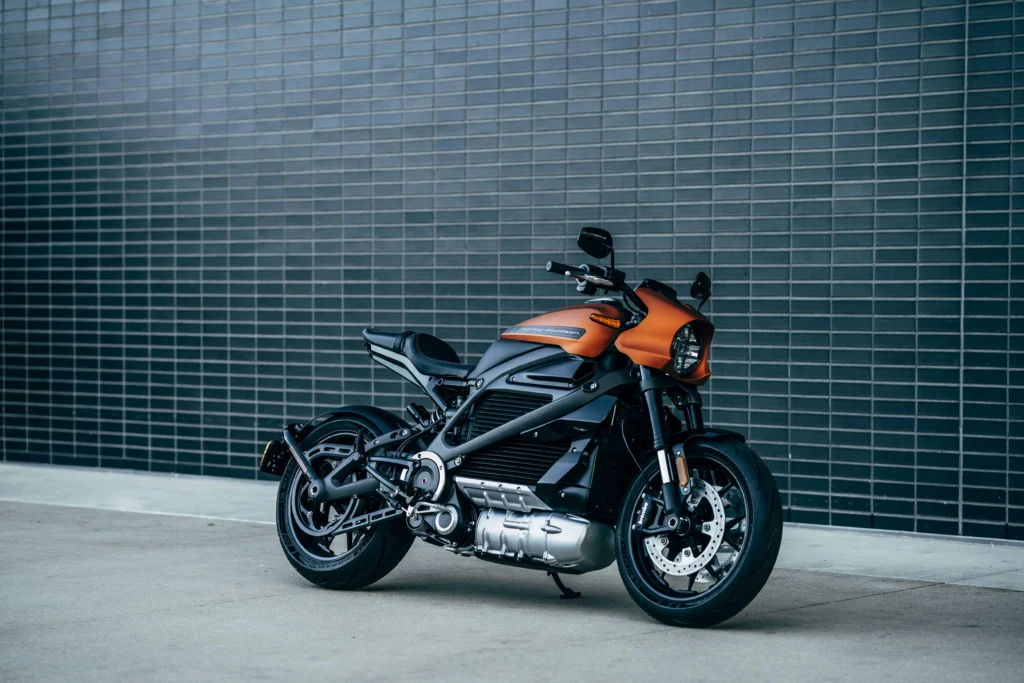
Understanding Aerodynamics Above 100 km/h Effects has become the ultimate obsession for the next generation of electric motorcycles.
In 2026, as motor technology hits a peak of efficiency, engineers have shifted their gaze toward that invisible, stubborn wall of air that drains batteries with relentless physics.
Unlike combustion bikes that can simply burn more fuel to hide poor aero, electric platforms demand a surgical approach.
If the airflow isn’t managed, your highway range evaporates before you even reach the next exit.
This guide digs into the transition from smooth to turbulent flow, why your posture matters more than the bike’s plastic, and how 2026 fairing designs are finally conquering the high-speed efficiency gap.
What is the aerodynamic wall facing electric motorcycles?
The most punishing aspect of Aerodynamics Above 100 km/h Effects is the cubic relationship between speed and energy consumption.
It’s a harsh reality: when you double your speed, the drag quadruples, but the power required to maintain that pace increases eightfold.
You aren’t just riding through air; at 120 km/h, you are effectively trying to punch a hole through a fluid that is becoming increasingly “solid.”
For an electric motorcycle, this means cruising at 120 km/h pulls significantly more from the cells than a steady 90 km/h.
This “wall” is exactly why so many bikes boast incredible city ranges but see those numbers plummet the moment they hit the open highway.
Without a slippery profile, the battery is essentially fighting a losing battle against the wind.
How does airflow influence the range of electric motorcycles?
Electric motors are remarkably efficient, nearly 90%, which means there’s no “wasted” heat or vibration to hide behind.
Every single Newton of drag translates directly into fewer kilometers on your display. When we look at Aerodynamics Above 100 km/h Effects, we see that at highway speeds, over 80% of your energy is spent just shoving air out of the way.
Learn more: Electric Motorcycle Range Loss at Highway Speeds Explained
Reducing the Drag Coefficient ($C_d$) by a tiny fraction can claw back 10% to 15% of your range.
Manufacturers are now obsessing over the “wake” behind the bike. It’s a detail that cost developers years to master: the air leaving the bike is often more disruptive to efficiency than the air hitting the front.
Why is rider position more critical than the bike’s shape?
The rider is a large, awkward obstacle responsible for roughly 75% of the total aerodynamic profile.
Analyzing Aerodynamics Above 100 km/h Effects shows that sitting upright creates a massive zone of low-pressure turbulence behind your back, acting like a vacuum that pulls the bike backward.
It’s a heavy price to pay for a comfortable posture.
Tucking in, getting your chin to the tank, minimizes your frontal area and lets the air glide over your helmet and onto the rear seat cowl.
There’s something unsettling about how much battery life you can save just by changing your stance; it’s often more effective than thousands of dollars in carbon fiber upgrades.
Data Table: Aerodynamic Impact on Power Consumption (2026 Benchmarks)
| Speed (km/h) | Power Required for Aero (kW) | Range Reduction vs. 60 km/h | Drag Force (Newtons) |
| 80 | 3.5 kW | -15% | 150 N |
| 100 | 6.8 kW | -35% | 240 N |
| 120 | 11.8 kW | -55% | 350 N |
| 140 | 18.5 kW | -72% | 480 N |
| 160 | 27.2 kW | -85% | 610 N |
Which fairing designs are most effective for high-speed stability?
The 2026 trend toward fully enclosed fairings isn’t just for aesthetics; it’s a necessity for laminar flow, where air moves in smooth, predictable layers.
Regarding Aerodynamics Above 100 km/h Effects, these designs prevent air from getting “trapped” in the messy mechanical gaps of the frame and motor, which usually acts like a parachute.
Modern winglets also provide crucial downforce, keeping the front tire planted during acceleration without bloating the frontal area.
For those who want the raw data behind these shapes, the Society of Automotive Engineers (SAE International) offers deep dives into how these structures manage high-speed stability.
What are the effects of crosswinds on lightweight electric bikes?
Speed amplifies the lateral forces of crosswinds, which can be particularly twitchy on electric bikes due to their unique weight distributions.
Since Aerodynamics Above 100 km/h Effects include a shift in the “center of pressure,” a bike with too much side surface area can suddenly feel like a sail in a gale.
Engineers are now experimenting with “porous” fairings channels that let lateral air pass through the bike instead of pushing against it.
This balance between being slippery from the front and stable from the side is the new frontier for electric touring.
It’s about making the bike feel heavy and planted, even when the wind tries to say otherwise.
How does thermal management conflict with aerodynamic goals?
Batteries and inverters get hot, and heat needs a way out. Usually, this means radiators or cooling fins, both of which create massive turbulence.
Know more: Electric Motorcycle Cooling Limits in Hot Climates
Managing Aerodynamics Above 100 km/h Effects involves a “breathing” design: inhaling air for cooling and exhaling it into low-pressure zones to fill the wake.
A bike that is perfectly slippery but overheats in ten minutes is useless.
The most advanced 2026 models use active shutters they stay closed for maximum efficiency and only snap open when the sensors detect the battery is cooking.
It’s a high-stakes game of keeping the internals cool without letting the wind slow you down.
What role does tire and wheel design play in drag?
Rotating wheels are essentially fans that chop the air as they spin. Integrating Aerodynamics Above 100 km/h Effects into wheel design has led to the return of solid “disc” rear wheels and deeper rims.
These parts help keep the airflow “attached” to the side of the bike longer, preventing it from spiraling into a chaotic mess.
For the latest on how these dynamics affect road safety and testing standards, the National Highway Traffic Safety Administration (NHTSA) provides comprehensive data on vehicle dynamics.
In the end, mastering the wind is the only way to truly unlock what electric mobility can do.
As we move through 2026, the silhouette of the motorcycle will only become more fluid and bird-like.
Embracing this evolution doesn’t just save your battery; it creates a silent, stable, and incredibly fast riding experience that finally leaves the limitations of the past behind.
FAQ: Aerodynamics and High-Speed Riding
Does a taller windshield always help with highway range?
Actually, no. A windshield that’s too tall can increase your frontal area and create a massive “vacuum” behind you, which might end up pulling the bike back and hurting your range more than a smaller screen.
Read more: Electric Motorcycle Range Loss at Highway Speeds Explained
How much range do I lose by adding side bags?
Expect a hit of 10% to 20% at high speeds. Panniers sit right in the “clean” air flowing along the bike, creating a lot of new turbulence where there was none before.
Are winglets actually useful on the street?
Mostly above 120 km/h. They help with stability in crosswinds and stop the front end from feeling “light” or flighty during high-speed cruising, but they aren’t doing much in city traffic.
Do aerodynamic mirrors really make a difference?
Mirrors are often an aerodynamic disaster. Switching to streamlined versions or camera-based systems can shave down your drag coefficient more than you’d think.
Is air resistance the same for a “naked” bike and a sportbike at 100 km/h?
Far from it. A naked bike has “dirty” air hitting the exposed motor and frame, creating significantly more drag than a fully faired sportbike that lets the air slide by.
