
Electric Motorcycle Range Loss at Highway Speeds Explained
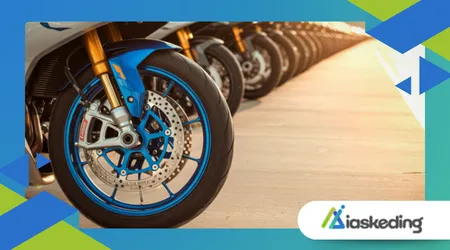
Range Loss at Highway Speeds Explained is the frustrating reality that often shatters the initial honeymoon phase of owning an electric motorcycle.
While the instant torque is addictive, the rapid decline of the state-of-charge meter at 75 mph remains the industry’s most persistent “elephant in the room.”
Summary of Key Insights
- The brutal physics of displacement and aerodynamic drag.
- Why high-speed motor efficiency cycles differ from internal combustion.
- Thermal management hurdles during sustained power draws.
- Tactical adjustments for long-distance interstate travel.
Why Do Electric Motorcycles Lose Range So Quickly on the Highway?
The physics are unapologetic. On a highway, your primary adversary isn’t weight or friction, but the invisible wall of air you are trying to pierce at high velocity.
Unlike a streamlined Tesla, a motorcycle and its rider present a jagged, aerodynamically “dirty” profile. This creates massive turbulence, forcing the battery to dump energy just to maintain speed.
As velocity increases, the drag force doesn’t rise linearly; it squares. Doubling your speed requires four times the force to overcome air resistance, which translates to an exponential battery drain.
Consequently, a machine rated for 150 miles of lane-splitting in Los Angeles might struggle to cover 70 miles on the open slab of I-95. It is a sobering calculation.
How Does Aerodynamic Drag Impact Battery Efficiency?
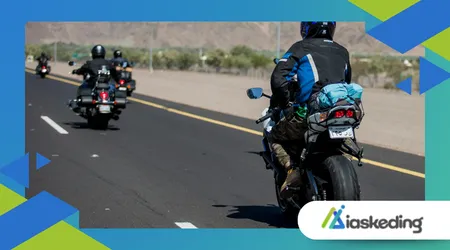
Aerodynamics are the ultimate energy thief because, fundamentally, a human sitting upright on a bike acts as a parachute, sabotaging every kilowatt stored in the frame.
At 30 mph, moving through air feels effortless. At 70 mph, however, over 80% of your battery’s output is consumed simply by the violent task of pushing atmosphere aside.
This explains the staggering “range gap” seen in brochures. The discrepancy between city and highway figures isn’t marketing fluff; it’s a direct reflection of atmospheric displacement costs.
++The Hidden Cost of Payload Reduction in Electric Freight Vehicles
Manufacturers like Zero Motorcycles spend thousands of hours in wind tunnels, yet they still battle the reality that rider ergonomics often dictate the final efficiency numbers.
What Are the Technical Factors Behind High-Speed Energy Consumption?
Internal resistance is a quiet killer. When you demand sustained high-power output, the battery cells generate significant heat, which increases resistance and lowers overall chemical efficiency.
Gasoline engines often find a “sweet spot” in high gear at cruising speeds. Electric motors, conversely, are typically at their most efficient during the variable loads of urban environments.
++Electric Motorcycle Torque Control on Wet Asphalt Roads
Sustained highway travel also robs you of regenerative braking opportunities. Without the “stop-and-go” cycle, the battery never gets those small, vital injections of recovered kinetic energy.
Furthermore, most electric bikes lack multi-speed transmissions. To maintain 80 mph, the motor must spin at incredibly high frequencies, operating far outside its peak efficiency window.
Which Environmental Conditions Worsen Range Loss?
Ambient temperature is a fickle variable. Cold air is denser, which physically increases the aerodynamic drag your bike must fight, while simultaneously slowing down the lithium-ion chemical reaction.
In the heat of summer, the challenge shifts to thermal throttling. The Battery Management System (BMS) may limit power to prevent the pack from cooking itself during long stretches.
Read more: How Thermal Drift Affects Electric Motorcycle Performance on Long Rides
Headwinds are the most deceptive factor. A 20 mph gust hitting a rider going 70 mph effectively creates a 90 mph aerodynamic load, even if the speedometer says otherwise.
Even slight elevation changes at high speeds compound the drain. The motor struggles against both gravity and air, leading to a “range cliff” that catches many new riders off-guard.
Comparative Energy Consumption Data (2026 Models)
| Motorcycle Model | City Range (Miles) | Highway Range (70 mph) | % Range Loss |
| LiveWire S2 Del Mar | 113 | 43 | 62% |
| Zero SR/F (17.3kWh) | 176 | 93 | 47% |
| Energica Ego+ RS | 261 | 130 | 50% |
| Lightning Strike | 150 | 70 | 53% |
What Are the Best Strategies to Extend Highway Range?
Lowering your cruising speed by a mere 10 mph feels slow, but the energy savings are massive. Physics rewards patience more than any other factor in the EV world.
Tucking behind a windscreen or modifying your body position reduces your frontal area. It’s the difference between being a blunt object and a sharpened blade cutting through the wind.
Tire pressure is often overlooked. Under-inflated rubber increases the contact patch and rolling resistance, forcing the motor to work harder just to keep the wheels turning at speed.
Strategic routing also helps. Choosing a scenic backroad with a 55 mph limit over a 75 mph interstate will almost always result in a longer, more successful journey.
When Should You Use DC Fast Charging for Long Trips?
If your journey spans more than 80 miles of highway, you must acknowledge the Range Loss at Highway Speeds Explained and integrate Level 3 charging into your itinerary.
By 2026, many flagship models can replenish from 20% to 80% in roughly thirty minutes. This “snack-and-charge” approach is the only way to tackle interstate touring effectively.
Relying on Level 2 chargers for a road trip is an exercise in futility. The slow trickle simply cannot keep pace with the high-burn rate of highway travel.
Always utilize real-time network apps like PlugShare. There is nothing quite as disheartening as reaching a vital charger only to find it out of service or occupied.
How Do Modern 2026 Battery Technologies Improve Highway Performance?
The shift toward solid-state batteries and advanced immersion cooling is finally allowing packs to handle higher discharge rates without the traditional “thermal sag” associated with long rides.
These 2026 advancements help stabilize the internal temperature, ensuring that the Range Loss at Highway Speeds Explained becomes a slightly less dramatic curve as energy density climbs.
We are also seeing the emergence of two-speed gearboxes in premium models. This allows the motor to stay in a lower RPM “comfort zone” even when cruising at high speeds.
Software has become more intuitive, too. Modern BMS units now pull live weather and elevation data via GPS to give you a brutally honest “Range to Empty” prediction.
Final Reflections
Mastering the Range Loss at Highway Speeds Explained is the final hurdle for any rider moving into the electric space. It requires a fundamental shift in how we perceive distance.
While the physics of air resistance remain an immovable object, the rapid evolution of battery cooling and drivetrain engineering is slowly chipping away at the highway deficit.
The thrill of the silent ride is worth the adjustment. By respecting the wind and planning for the discharge, the electric road trip becomes a puzzle to solve rather than a source of anxiety.
As infrastructure matures across the country, these range limitations will likely transition from a primary concern to a manageable quirk of a superior propulsion technology.
For authoritative data on how these vehicles are tested for safety and efficiency, the National Highway Traffic Safety Administration (NHTSA) offers the most reliable technical benchmarks for the American market.
FAQ: Frequently Asked Questions
Why does the bike lose range faster than my electric car?
Motorcycles lack the aerodynamic efficiency of cars and have much smaller battery packs, making the impact of wind resistance far more noticeable on your percentage meter.
Will a larger windscreen actually help?
Yes. By diverting air around the rider’s torso, you reduce the “sail effect,” which can measurably improve your efficiency at speeds above 60 mph.
Is it safer to ride slower on the highway for range?
Riding significantly slower than the flow of traffic can be dangerous. It is often better to find a slower route than to be an obstacle on a fast-moving interstate.
Does the age of the battery affect highway range more?
As batteries degrade, their internal resistance increases. This is most apparent during high-speed travel, where the demand for constant, high-current delivery is at its peak.
