
Electric Motorcycle App Integration and OTA Updates
The evolution of the electric mobility sector proves that App Integration and OTA Updates have become the primary software pillars defining a premium riding experience in 2026.
These technologies transform what used to be a static vehicle into a dynamic, learning machine that actually improves as it ages.
This shift reflects a broader, somewhat disruptive movement where the traditional hardware-centric soul of motorcycling is being rewritten by software-defined architecture.
In this guide, we’ll look past the marketing gloss to analyze how these digital layers enhance performance, safety, and longevity.
We are exploring the mechanics of wireless improvements and the real depth of smartphone connectivity. By moving beyond simple aesthetics, riders are finally unlocking the full potential of their machines through the cloud.
What are the benefits of app integration for electric motorcycles?
Modern electric motorcycles use smartphone applications as a centralized hub for telemetry, navigation, and security management.
This integration allows riders to monitor battery health, thermal status, and charging cycles with surgical precision from anywhere.
It effectively bridges the gap between the physical machine and the user’s digital life, offering a seamless, real-time flow of information.
Beyond simple monitoring, these apps provide anti-theft features like geofencing and remote immobilization.
If the bike moves without authorization, the rider receives an instant notification and can track the GPS coordinates.
This level of connectivity turns the vehicle into a smart device, significantly increasing its value and, frankly, the owner’s peace of mind in an era of high-tech theft.
How does an OTA update actually change a bike’s performance?
Over-the-air updates allow manufacturers to refine the Power Control Unit (PCU) and Battery Management System (BMS) remotely.
When engineers discover a more efficient algorithm for thermal management, they push that code to the fleet.
This means your motorcycle might actually have a longer range or sharper acceleration two years after you bought it.
This technological leap is why App Integration and OTA Updates are essential for maintaining the competitive edge of brands like Zero or LiveWire.
Instead of visiting a physical dealership for every minor recall, bugs are squashed overnight while the bike sits in your garage.
It represents a paradigm shift where the motorcycle stays modern through code, effectively delaying the painful depreciation of the hardware.
Why is software-defined performance the future of riding?
Software-defined performance allows a single motorcycle to inhabit multiple personalities through different riding modes.
A rider can choose a “Rain” mode with aggressive traction control or a “Track” mode with instant, unfiltered torque.
These profiles are no longer static factory settings; they are evolving sets of instructions that adapt based on collective user feedback.
The ability to customize regenerative braking intensity through an app allows for a truly tailored riding experience.
This granular control helps riders optimize energy consumption based on their specific commute or weekend touring needs.
For a deeper look into how connectivity standards are evolving, the Institute of Electrical and Electronics Engineers (IEEE) provides research on vehicle-to-everything (V2X) communication.
Which features are most requested by electric motorcycle riders in 2026?
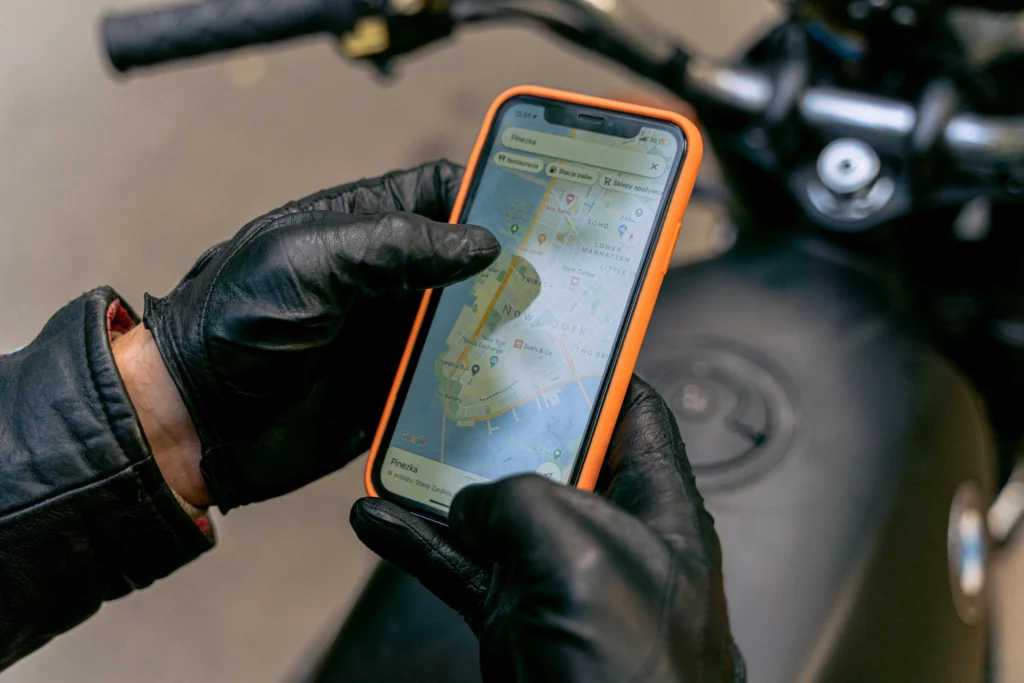
Real-time navigation with integrated charging station status remains the most sought-after feature for long-distance commuters.
Riders want to see charger availability, plug types, and estimated wait times directly on their dashboard or app.
This transparency reduces range anxiety and makes long-range touring a reality for a broader segment of the population.
Community-driven features, such as sharing ride telemetry and leaderboard rankings for efficiency, are also gaining popularity.
Manufacturers are leveraging App Integration and OTA Updates to foster brand loyalty through social interaction and gamification.
These platforms encourage riders to explore new routes while competing to achieve the best watt-hour per mile metrics.
2026 Connectivity Standards
| Feature | Standard Integration | Premium Tier Integration | Impact on Ownership |
| BMS Calibration | Manual Dealer Reset | Automatic Cloud OTA | Extended Battery Life |
| GPS Tracking | Periodic Ping | Real-time 5G Latency | Enhanced Theft Recovery |
| Diag. Reporting | Warning Light Only | Predictive Error Logic | Reduced Repair Costs |
| Ride Customization | 3 Preset Modes | Infinitely Variable Curves | Better Rider Comfort |
| Infotainment | Bluetooth Audio | Full Mirroring & HUD | Integrated Navigation |
What are the security risks of connected motorcycles?
As motorcycles become more connected, they inevitably become potential targets for unauthorized digital access.
Manufacturers must implement robust encryption and multi-factor authentication within their apps to prevent hacking attempts.
Read more: Can Electric Motorcycles Be Hacked? Cybersecurity Basics
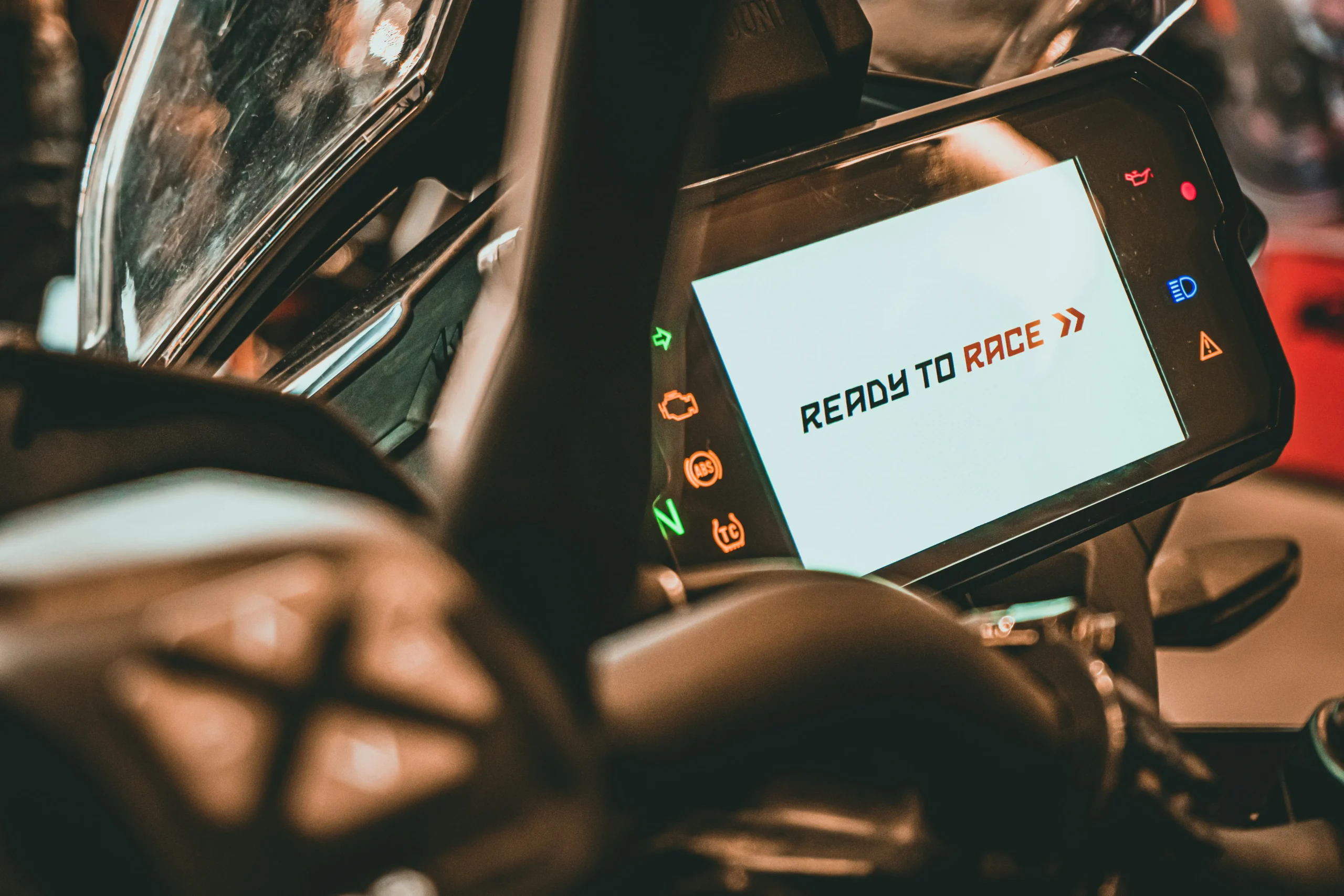
A breach could lead to unauthorized vehicle access or, in extreme cases, tampering with the motorcycle’s critical driving systems.
The industry is responding by adopting high-level cybersecurity protocols similar to those found in the banking sector.
Regular security patches delivered via App Integration and OTA Updates ensure that the vehicle’s firewall remains resilient against evolving threats.
Riders should always keep their software updated to benefit from the latest protections and security enhancements.
How can predictive maintenance save you money?
Predictive maintenance uses the motorcycle’s internal sensors to identify wear and tear before a component actually fails.
If the system detects an unusual temperature spike in the motor, it alerts the rider via the app. This allows for proactive servicing, which is significantly cheaper than a full system rebuild or emergency roadside assistance.
This data-driven approach also simplifies the second-hand market by providing a verified digital “birth certificate” for the motorcycle.
Potential buyers can see exactly how the battery was treated and if all maintenance was performed. This transparency builds trust and maintains the resale value of electric motorcycles compared to their internal combustion counterparts.
Learn more: Electric Motorcycle Sodium Battery Cost Disruption
When should you expect the next big leap in OTA technology?
The next frontier involves deeper integration with municipal infrastructure and other vehicles through V2X communication.
This will allow your motorcycle to receive “green light” alerts or warnings about accidents beyond your line of sight.
We are moving toward a future where the motorcycle isn’t just connected to your phone, but to the living world around it.
Read more: Electric Transport Micromobility Grid Load Challenges
As App Integration and OTA Updates continue to mature, the hardware will become a vessel for ever-improving artificial intelligence.
Future updates may include AI-assisted coaching that analyzes your cornering technique and provides tips for safer riding.
To understand the safety regulations surrounding these automotive technologies, the National Highway Traffic Safety Administration (NHTSA) offers comprehensive guidelines on electronics and vehicle safety.
FAQ: Connected Electric Motorcycles
Will my motorcycle stop working if the app crashes?
No. The core riding functions are independent of the app. The app is for configuration, data, and secondary features, but the primary controls remain hardware-driven for safety.
Do OTA updates cost money after the warranty expires?
Most manufacturers provide essential security and bug fixes for free. However, some performance upgrades or “feature unlocks” may require a one-time payment or a subscription model.
Can I install an update while I am riding?
For safety reasons, OTA updates can only be installed while the motorcycle is stationary and securely parked. Most systems require a minimum battery percentage before the process begins.
Does constant 5G connectivity drain the battery?
The power draw for connectivity modules is negligible compared to the propulsion battery. These systems are designed to sleep when the bike is off, waking only to send pings.
The digital transformation of the motorcycle industry is no longer a distant vision; it is the current standard.
Brands that master App Integration and OTA Updates are providing vehicles that are smarter, safer, and more fun to ride.
Your motorcycle is now an evolving piece of technology that grows with you, learning from your habits and the road.
Embracing this connectivity means choosing a machine that remains relevant long after it leaves the showroom floor.
As we look toward a future of fully integrated mobility, the software under the seat becomes just as vital as the motor between the wheels.
