
How Renewable Energy Is Making Remote Areas Self-Sufficient
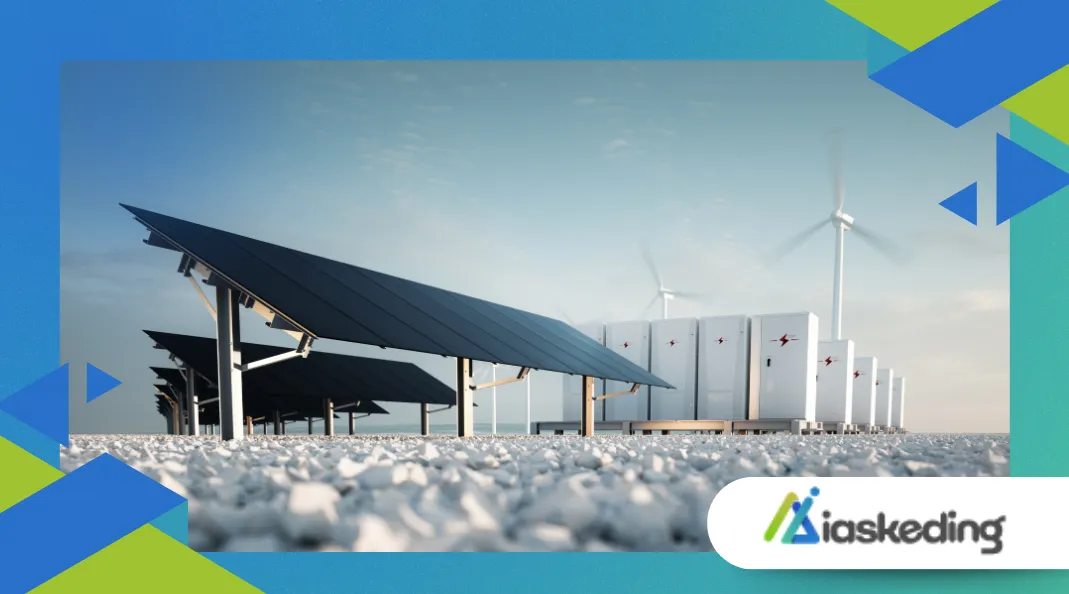
In an era where energy access is synonymous with opportunity, renewable energy is making remote areas self-sufficient, transforming lives and landscapes.
From the sun-drenched deserts of Africa to the wind-swept plains of Mongolia, clean energy technologies are bridging the gap between isolation and progress.
This shift isn’t just about powering homes; it’s about empowering communities, fostering economic growth, and reducing reliance on fossil fuels.
As the world grapples with climate change, renewable energy is emerging as a lifeline for regions once considered too distant to thrive.
By harnessing local resources, these communities are not only gaining energy independence but also building resilience against economic fluctuations and environmental challenges.
Moreover, the integration of renewable energy solutions is often accompanied by educational initiatives that equip local populations with the skills needed to maintain and expand these systems.
The Energy Divide: A Global Challenge
For decades, remote areas have been left in the dark—literally.
According to the International Energy Agency (IEA), over 700 million people worldwide still lack access to electricity, with the majority living in rural or isolated regions.
Traditional energy infrastructure, such as centralized power grids, is often impractical or prohibitively expensive to deploy in these areas.
This has created an energy divide, where urban centers flourish while remote communities struggle to meet basic needs.
The lack of access to reliable energy sources stifles economic development, limits educational opportunities, and hinders healthcare services.
In many cases, families rely on expensive and polluting alternatives like kerosene lamps and diesel generators, perpetuating cycles of poverty and environmental degradation.
Enter renewable energy.
Solar panels, wind turbines, and micro-hydro systems are proving to be game-changers.
Unlike fossil fuels, which require extensive transportation and infrastructure, renewable energy systems can be deployed almost anywhere.
This decentralization is key to their success in remote areas.
By utilizing local resources, these technologies not only provide power but also stimulate local economies through job creation and skill development.
+ How Bioenergy Is Turning Waste into Sustainable Power
Solar Power: Lighting Up Lives
Solar energy is at the forefront of this revolution.
In sub-Saharan Africa, for example, off-grid solar systems are providing electricity to millions of households for the first time.
Companies like M-KOPA and d.light are offering pay-as-you-go solar solutions, making clean energy affordable and accessible.
The impact is profound.
Children can study after dark, clinics can refrigerate vaccines, and small businesses can operate longer hours.
In India, the government’s Saubhagya scheme has brought solar power to thousands of remote villages, improving quality of life and boosting local economies.
Additionally, solar energy projects often empower women, providing them with the tools and resources to start their own businesses, further enhancing community resilience.
For more information on solar initiatives in developing regions, check out SolarAid.
Table 1: Solar Energy Impact in Remote Areas
| Region | Households Powered | Key Benefits |
|---|---|---|
| Sub-Saharan Africa | 10 million+ | Education, healthcare, economic growth |
| India | 5 million+ | Reduced poverty, improved livelihoods |
| Latin America | 2 million+ | Energy independence, reduced emissions |
Wind Energy: Harnessing Nature’s Power
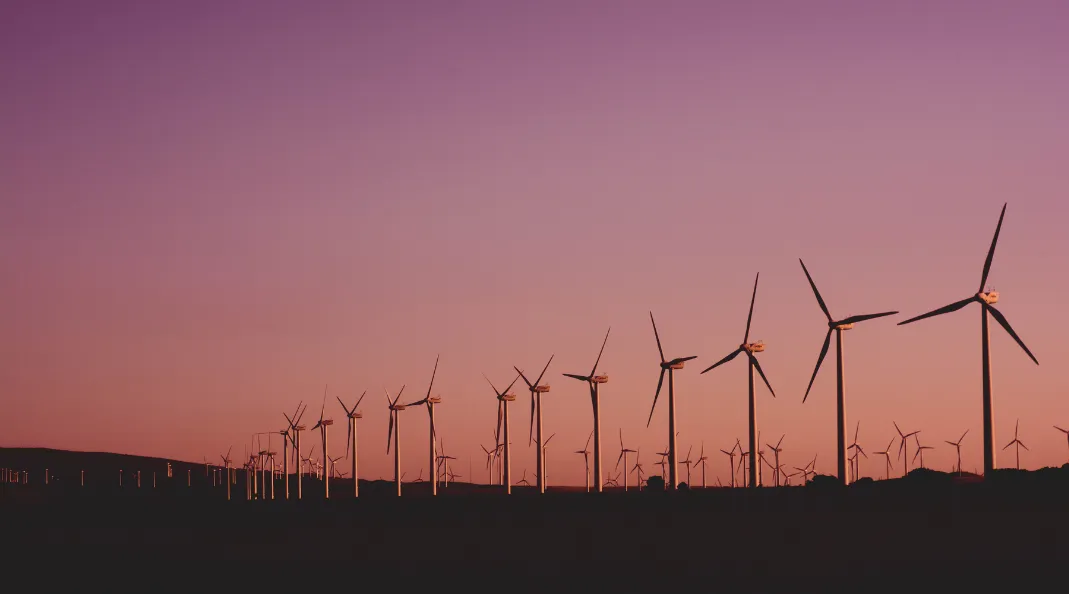
While solar energy dominates the conversation, wind power is also playing a crucial role.
In Mongolia, nomadic herders are using portable wind turbines to generate electricity for their gers (traditional tents).
This not only improves their quality of life but also preserves their way of life.
Wind energy is particularly advantageous in regions with consistent wind patterns, making it a reliable source of power.
In Scotland, remote islands like Orkney are producing more wind energy than they can consume, exporting the surplus to the mainland.
This has turned these once-isolated communities into energy hubs, creating jobs and attracting investment.
The local economy benefits significantly from this surplus energy, with funds being reinvested into community projects and infrastructure improvements.
Micro-Hydro Systems: Tapping into Water Resources
In regions with abundant water resources, micro-hydro systems are proving to be a reliable source of renewable energy.
In Nepal, for instance, these systems are providing electricity to remote mountain villages, reducing reliance on diesel generators and kerosene lamps.
The benefits extend beyond energy access.
Micro-hydro projects often involve local communities in their construction and maintenance, creating jobs and fostering a sense of ownership.
This participatory approach ensures the sustainability of these projects.
Moreover, the consistent energy supply from micro-hydro systems allows for better agricultural practices, such as irrigation, which can significantly improve food security.
By engaging local populations in the management of these systems, communities develop the skills necessary to maintain and expand their energy resources.
Economic Empowerment: Beyond Energy Access
Renewable energy is making remote areas self-sufficient not just in terms of power but also economically.
By reducing energy costs, these technologies are freeing up resources for other needs.
In Kenya, for example, farmers are using solar-powered irrigation systems to increase crop yields, boosting their incomes and food security.
Moreover, renewable energy projects are creating new opportunities for entrepreneurship.
In Bangladesh, women are being trained as solar technicians, challenging gender norms and earning a steady income.
This economic empowerment is transforming communities, making them more resilient and self-reliant.
As these initiatives grow, they also encourage innovation, with local entrepreneurs developing new products and services that cater to their communities.
For more on the economic impacts of renewable energy, check out The World Bank.
Environmental Benefits: A Win-Win Solution
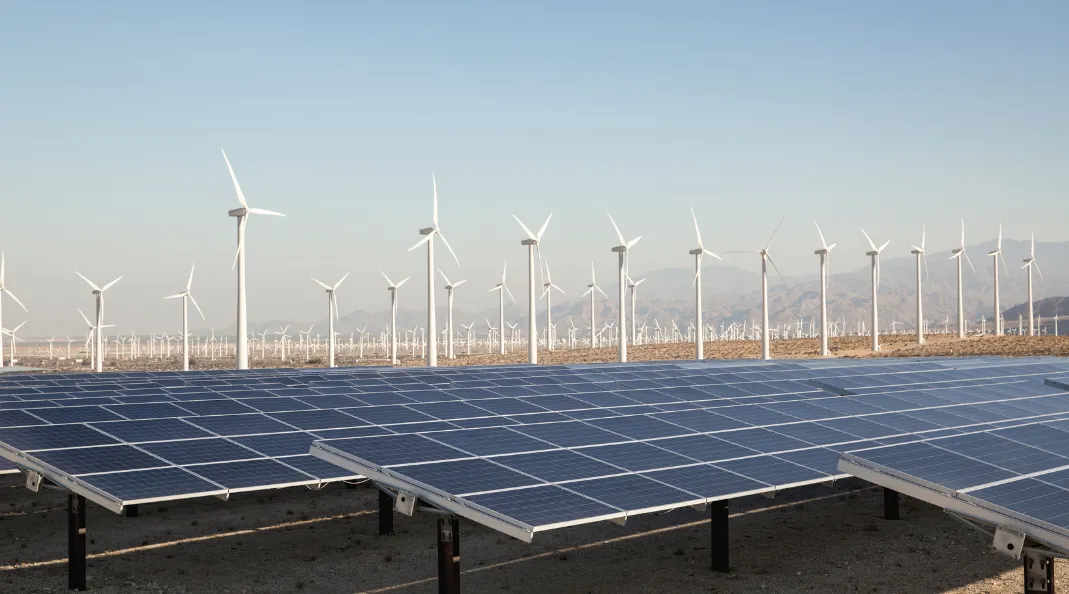
The shift to renewable energy is also benefiting the environment.
By replacing diesel generators and kerosene lamps, these technologies are reducing greenhouse gas emissions and air pollution.
In the Amazon rainforest, solar panels are providing clean energy to indigenous communities, helping to protect this vital ecosystem.
The environmental benefits extend beyond carbon reduction.
Renewable energy projects often promote biodiversity by minimizing land degradation and habitat destruction associated with fossil fuel extraction.
Additionally, as communities embrace sustainable practices, they become more invested in protecting their local environments, leading to enhanced conservation efforts.
++ The Future of Renewable Energy: What’s Next After Solar and Wind?
Table 2: Environmental Impact of Renewable Energy in Remote Areas
| Technology | CO2 Emissions Reduced (tons/year) | Key Environmental Benefits |
|---|---|---|
| Solar Power | 1.5 million+ | Reduced deforestation, cleaner air |
| Wind Energy | 800,000+ | Lower carbon footprint, habitat preservation |
| Micro-Hydro | 500,000+ | Sustainable water use, reduced pollution |
Challenges and the Road Ahead
Despite its many benefits, the transition to renewable energy in remote areas is not without challenges.
High upfront costs, lack of financing, and technical expertise are significant barriers.
Moreover, the intermittent nature of solar and wind energy requires innovative storage solutions, such as batteries or pumped hydro storage.
Governments, NGOs, and private companies must work together to overcome these hurdles.
Policies that incentivize renewable energy adoption, coupled with investments in research and development, are crucial.
Community engagement is equally important, ensuring that these projects meet local needs and are culturally appropriate.
Addressing these challenges will require a collaborative approach that includes local stakeholders in the decision-making process, ensuring that solutions are tailored to specific community contexts.
Conclusion: A Brighter Future
Renewable energy is making remote areas self-sufficient, offering a beacon of hope for millions.
By providing clean, affordable, and reliable power, these technologies are transforming lives and landscapes.
They are bridging the energy divide, empowering communities, and protecting the planet.
As the world moves towards a sustainable future, the role of renewable energy in remote areas cannot be overstated.
It is not just about powering homes; it is about unlocking potential, fostering resilience, and creating a world where no one is left behind.
The journey is far from over, but the path is clear: renewable energy is the key to a brighter, more equitable future.
By investing in these technologies and supporting local initiatives, we can ensure that the benefits of renewable energy reach those who need it most.
