
The Best Folding Electric Bikes for City Life
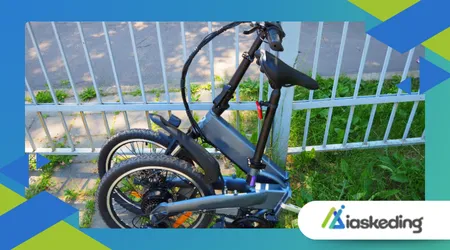
The Best Folding Electric Bikes for City Life represent a revolution, seamlessly blending the zero-emission efficiency of an e-bike with the indispensable portability needed for cramped apartments and public transit.
They’re not just a convenience; they’re a necessity for multi-modal mobility.
The relentless pace of city living often makes a full-sized bicycle an awkward liability. Imagine carrying a standard bike up three flights of stairs after a long workday. It’s a logistical nightmare.
Folding e-bikes eliminate this common urban hurdle instantly. They collapse into a manageable, compact package quickly. This transformation turns a large vehicle into a discreet, storable object.
Their compact nature also makes them welcome aboard subways and buses during peak hours. Try doing that with a traditional, rigid-frame e-bike.
They unlock the city’s potential, linking the “last mile” to the wider transit network effortlessly.
This versatility dramatically expands the practical radius of your daily commute. No longer are you strictly bound by car traffic or fixed public transport routes. You gain genuine freedom.
Key Features Defining the Urban Folding E-Bike Elite
Selecting the right model involves looking beyond the basic “it folds” feature. The motor and battery systems are the true heart of the machine.
A robust, yet lightweight, motor is essential for tackling unexpected hills.
Look for motors rated between 250W and 500W for an ideal power-to-weight ratio. Battery longevity is equally vital for a carefree daily commute. A range of at least 30 miles per charge is highly advisable.
The total folded size and the mechanism’s quality are paramount considerations. A well-engineered folding hinge should be secure, stable, and simple to operate.
Poor hinges quickly lead to annoying squeaks and instability over time.
Bike weight is also a critical factor; every pound matters when you are carrying it.
++Can Solar Panels Cover Your EV Charging Needs? A Case Study
Models under 45 pounds are generally considered the sweet spot for maximum portability.
Performance Meets Practicality: Essential Design Elements
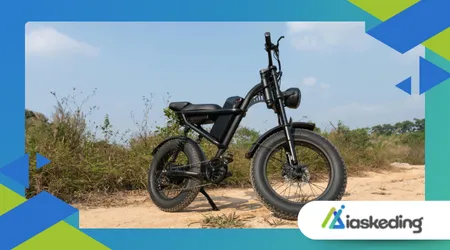
Effective electric transport in a dense city means more than just a motor; it also means stopping power.
Hydraulic disc brakes, not mechanical ones, offer superior, reliable stopping in wet conditions. They demand less hand force, which is a major comfort benefit.
Puncture-resistant tires are another non-negotiable feature for navigating debris-strewn urban streets. These specially reinforced tires significantly reduce the frequency of flats and roadside repairs.
++How to Start an E-Bike Delivery Business
Integrated lights are mandatory for safety and visibility during night rides or heavy rain.
An intuitive, simple-to-read display showing speed and battery level enhances the riding experience significantly.
Comfort features, like an adjustable seat post and ergonomic grips, prevent fatigue during longer journeys.
++How Governments Are Regulating E-Scooter Sharing
Best Folding Electric Bikes for City Life: The Swiss Army Knife of Commuting
Think of a high-quality folding e-bike as the Swiss Army Knife of Urban Commuting. It offers multiple specialized tools—speed, portability, and emission-free travel—in one elegant, consolidated device.
Consider the Tern Vektron S10 as a prime example of this engineering precision.
Its frame integrates the battery within the main tube, lowering the center of gravity and improving ride stability, which is often a folding bike weakness. It manages to feel like a full-sized bike when unfolded.
Another exceptional example is the Brompton Electric C Line, representing the gold standard in ultra-compact folding.
++Top 5 Folding E Bikes for Commuting and Weekend Rides
It maintains the legendary, rapid fold of its traditional counterpart while adding electric assist perfectly.
Can you truly put a price on skipping traffic jams every single morning? This rhetorical question underscores the real, intangible value.
The Economic and Environmental Argument
Opting for electric transport is a financially sound decision over time. The operating cost of an e-bike is fractions of a cent per mile, dramatically undercutting gasoline or transit passes.
A 2024 analysis by the U.S. Department of Transportation revealed that the average American household spends over $1,000 annually on public transit.
| Commuting Method | Average Annual Cost (Estimate) | Notes |
| Folding E-Bike | $100 – $200 | Includes electricity, minor maintenance. |
| Public Transit (Bus/Subway) | $1,200 – $2,400 | Based on a monthly pass cost range. |
| Car (Gas/Parking) | $8,000 – $12,000 | Fuel, insurance, parking, and maintenance. |
Beyond the financial savings, the environmental impact is clearly beneficial. Choosing an e-bike over a car reduces one’s carbon footprint substantially. The collective impact is powerful.
Making the Final Selection: Finding Your Ideal Match
When deciding among the Best Folding Electric Bikes for City Life, test-riding is non-negotiable. Pay close attention to how quickly and easily you can manage the fold and unfold process.
This needs to be fluid.
Evaluate the available gears and pedal-assist levels. Smooth transitions are key to navigating varied urban topography successfully. Make sure the geometry feels right for your height and riding style.
A staggering 65% of commuters in major European cities who switched from cars to e-bikes reported a significant reduction in their daily stress levels, according to a recent global study.
The shift to the Best Folding Electric Bikes for City Life is about improving your quality of life.
The market offers something for every budget and priority; from budget-friendly options focusing on simplicity to high-end models engineered for perfection.
The true value lies in how a folding e-bike changes your relationship with the city.
Conclusion: The Future of Urban Mobility is Compact
The dominance of the internal combustion engine is fading rapidly in dense urban centers. Folding electric bikes are not a temporary trend; they are a fundamental evolution in personal transportation.
They offer the speed, power, and, most importantly, the necessary flexibility to conquer any metropolitan challenge.
They empower commuters to reclaim time and space, transforming the daily grind into an enjoyable ride. Now is the perfect moment to embrace this smart, sustainable, and utterly convenient mode of travel.
Frequently Asked Questions
Q: Are folding e-bikes generally less durable than standard e-bikes?
A: Not necessarily. High-quality folding e-bikes, particularly those from reputable brands, are engineered with robust locking mechanisms and strengthened frames.
While they may carry slightly more weight in the hinge components, their overall durability is excellent for urban use.
Q: What is the maximum weight a typical folding electric bike can support?
A: Most reputable models are designed to support a maximum payload between 220 and 265 pounds (100–120 kg). Always verify the specific weight limit published by the manufacturer for the model you are considering.
Q: How long does it usually take to charge the battery completely?
A: Charging times vary significantly based on the battery’s capacity and the charger’s output. Generally, a full charge from empty takes anywhere from four to seven hours.
Many batteries can reach an 80% charge much faster, often in three to five hours.
Q: Can I ride a folding e-bike in the rain?
A: Yes, nearly all modern electric bikes are built with components that are water-resistant and rated for use in the rain.
However, you should never submerge the bike and should avoid using a high-pressure washer directly on electronic parts. Wipe the bike down after a wet ride.
