
How to Choose the Right Electric Motorcycle for Your Lifestyle
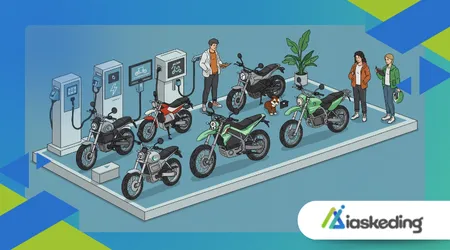
The electric motorcycle market has exploded in recent years, offering riders an eco-friendly, high-performance alternative to traditional bikes.
But with so many options, how do you choose the right electric motorcycle for your lifestyle?
This guide will help you navigate the key factors, from range and power to design and budget, ensuring your next ride aligns perfectly with your needs.
Whether you’re a daily commuter, an off-road adventurer, or a weekend cruiser, understanding the nuances of electric motorcycles will empower you to make an informed decision.
Electric motorcycles are no longer niche; they’re mainstream.
In 2025, global sales of electric two-wheelers surpassed 10 million units, driven by advancements in battery technology and growing environmental awareness.
With this surge in popularity, manufacturers are offering a diverse range of models tailored to different lifestyles.
But with choice comes complexity. How do you sift through the options to find the perfect match? This guide breaks it down step by step, providing practical insights and actionable advice.
Understanding Your Riding Needs
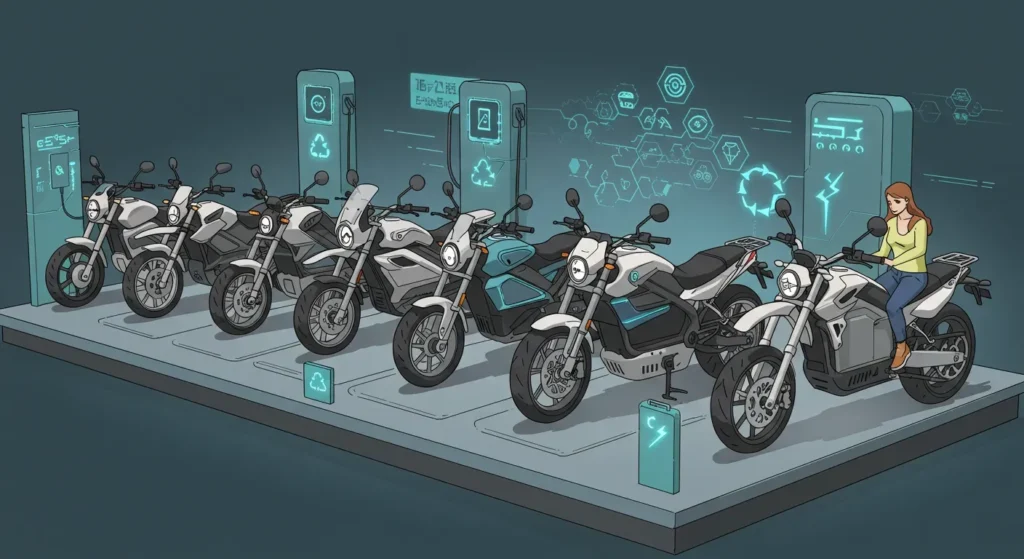
Before diving into specs, ask yourself: What’s my primary use for this bike? Are you commuting daily, hitting off-road trails, or cruising on weekends?
Your lifestyle dictates the type of electric motorcycle that suits you best.
For urban commuters, lightweight models like the Zero FXE or Super Soco TC Max are ideal. They’re nimble, easy to park, and perfect for short trips.
These bikes often feature compact designs, making them a breeze to maneuver through traffic.
Additionally, their lower weight makes them easier to handle for riders who may not have extensive experience.
If long-distance touring is your thing, consider high-range bikes like the Energica Experia or Harley-Davidson LiveWire One, which offer extended battery life and fast-charging capabilities.
These models are designed for comfort, with ergonomic seating and advanced suspension systems to handle long hours on the road.
They also come equipped with features like integrated navigation and smartphone connectivity, enhancing the overall riding experience.
For off-road enthusiasts, rugged models like the Cake Kalk OR or Zero FX are built to tackle challenging terrains.
These bikes feature robust frames, high ground clearance, and specialized tires for maximum traction.
Whether you’re exploring mountain trails or desert dunes, these motorcycles deliver the performance and durability you need.
+ Comparison: Tesla Model 3 or BYD Seal – which one wins?
Range: The Heart of Electric Motorcycles
Range anxiety is a common concern, but modern electric motorcycles have made significant strides.
Most models now offer between 80 to 200 miles per charge, with premium options exceeding 250 miles.
Understanding your range requirements is crucial to ensuring your bike meets your daily needs without constant recharging.
If your daily commute is under 50 miles, a mid-range bike will suffice. Models like the Super Soco TC Max or Sondors Metacycle are perfect for city dwellers who need reliable transportation without the hassle of frequent charging.
These bikes are also more affordable, making them an excellent entry point for new riders.
However, for longer trips, prioritize models with advanced battery technology and fast-charging stations along your route.
The Zero SR/S, for example, offers a range of 200 miles and can charge to 95% in just an hour. This makes it ideal for riders who frequently travel between cities or enjoy weekend getaways.
| Model | Range (Miles) |
|---|---|
| Zero SR/S | 200 |
| Harley-Davidson LiveWire One | 146 |
| Super Soco TC Max | 80 |
It’s also worth considering the availability of charging infrastructure in your area. While urban centers are well-equipped, rural areas may have limited options.
Planning your routes and knowing where charging stations are located can alleviate range anxiety and ensure a smooth riding experience.
Also Read: The Future of Freight: How Electric Trucks Are Revolutionizing the Logistics Industry
Power and Performance: Matching Your Style
Electric motorcycles are known for instant torque, delivering thrilling acceleration.
But power needs vary. Urban riders might prefer a 10-15 kW motor, while enthusiasts may opt for 50 kW or more.
Understanding your performance requirements will help you narrow down your options.
For example, the Zero SR/F boasts 110 hp, ideal for speed lovers. Its powerful motor and advanced electronics provide a exhilarating ride, whether you’re on the highway or carving through twisty roads.
On the other hand, the Cake Kalk OR focuses on off-road agility with a 11 kW motor, making it perfect for tackling rough terrains at lower speeds.
Mid-range models like the Energica Eva Ribelle strike a balance between power and practicality.
With a 80 kW motor, it offers enough performance for spirited riding while remaining manageable for everyday use. This versatility makes it a popular choice among riders who want a bike that can do it all.
It’s also important to consider the bike’s weight and handling. Heavier models may offer more power but can be challenging to maneuver in tight spaces.
Lighter bikes, while less powerful, are easier to handle and more forgiving for less experienced riders.
+ Electric Motorcycle Communities and Clubs: Connecting with Fellow Riders
Design and Comfort: More Than Just Looks
Aesthetics matter, but comfort is crucial. Test ride different models to assess seat height, weight distribution, and ergonomics.
Taller riders might favor the Energica Eva Ribelle, while shorter riders could prefer the Super Soco TS.
Don’t overlook storage options. Commuters need space for gear, so models with built-in compartments or accessory mounts are worth considering.
The Harley-Davidson LiveWire One, for instance, offers optional panniers and a top case, making it a practical choice for daily use.
For long-distance riders, comfort is paramount. Look for bikes with adjustable handlebars, plush seating, and advanced suspension systems.
The Energica Experia excels in this regard, offering a touring-focused design that prioritizes rider comfort over long distances.
Off-road riders should prioritize durability and functionality. The Cake Kalk OR features a minimalist design with a focus on performance, while the Zero FX offers a more rugged aesthetic with added protection for the battery and motor.
Budget: Balancing Cost and Value
Electric motorcycles range from $5,000 to $30,000+. While premium models offer cutting-edge features, budget-friendly options like the Sondors Metacycle provide excellent value for casual riders.
| Price Range | Examples |
|---|---|
| Under $10,000 | Sondors Metacycle, Super Soco TC Max |
| $10,000 – $20,000 | Zero FXE, Cake Kalk OR |
| Over $20,000 | Energica Experia, Harley-Davidson LiveWire One |
Remember to factor in long-term savings. Electric bikes have lower maintenance costs and no fuel expenses, making them a smart investment.
Additionally, many governments offer incentives for electric vehicle purchases, further reducing the overall cost.
It’s also worth considering financing options. Many manufacturers offer flexible payment plans, making it easier to afford a higher-end model.
However, be sure to read the fine print and understand the terms before committing.
Charging Infrastructure: Planning Ahead
Charging accessibility is critical. While home charging is convenient, public infrastructure varies by region. In 2025, the U.S. has over 100,000 charging stations, but rural areas still lag behind.
Check if your preferred model supports fast charging. For instance, the Zero SR/S can charge to 95% in just an hour, while others may take longer.
Knowing the charging capabilities of your bike will help you plan your trips and avoid unnecessary delays.
It’s also a good idea to invest in a home charging station. While it’s an additional expense, the convenience of charging overnight can’t be overstated.
Many manufacturers offer bundled deals that include a home charger with the purchase of a new bike.
Sustainability: Beyond the Ride
Choosing an electric motorcycle isn’t just about performance; it’s a commitment to sustainability.
According to a 2024 study by the International Energy Agency (IEA), electric vehicles reduce CO2 emissions by 50% compared to gas-powered alternatives.
By opting for an electric bike, you’re contributing to cleaner air and a greener future. Additionally, many manufacturers are adopting sustainable practices, such as using recycled materials and reducing waste in production.
It’s also worth considering the lifecycle of the battery. Most electric motorcycle batteries last between 5 to 10 years, depending on usage and maintenance.
When it’s time to replace the battery, many manufacturers offer recycling programs to ensure proper disposal.
Test Rides: The Ultimate Decider

Specs and reviews can only tell you so much. A test ride is essential to feel the bike’s handling, acceleration, and comfort. Most dealerships offer trial periods, so take advantage of this opportunity.
During your test ride, pay attention to how the bike feels at different speeds. Is the acceleration smooth? How does it handle corners?
Is the seating position comfortable for long rides? These are all critical factors that can’t be fully appreciated without firsthand experience.
It’s also a good idea to test ride multiple models to compare their performance and features. This will give you a better understanding of what each bike has to offer and help you make a more informed decision.
Maintenance and Ownership Costs
One of the biggest advantages of electric motorcycles is their low maintenance costs. Unlike traditional bikes, electric models have fewer moving parts, reducing the likelihood of mechanical issues.
However, it’s still important to factor in routine maintenance, such as tire changes, brake inspections, and software updates.
Many manufacturers offer service packages that cover these costs, providing peace of mind for new owners.
It’s also worth considering the cost of insurance. While electric motorcycles are generally cheaper to insure than gas-powered models, premiums can vary depending on the bike’s value and your riding history.
Final Thoughts: Making the Right Choice
Choosing the right electric motorcycle for your lifestyle is a blend of practicality and passion. Consider your daily needs, budget, and long-term goals. With the right research and a few test rides, you’ll find the perfect match.
Electric motorcycles are more than a trend; they’re the future of riding. By making an informed decision, you’re not just investing in a bike—you’re embracing a new way of life.
Frequently Asked Questions
1. How long does it take to charge an electric motorcycle?
Charging times vary by model and charger type. Fast chargers can replenish a battery to 95% in about an hour, while standard chargers may take 4-8 hours.
2. Are electric motorcycles suitable for long-distance travel?
Yes, many modern electric motorcycles offer ranges exceeding 200 miles, and fast-charging networks are expanding rapidly, making long-distance travel feasible.
3. What’s the average lifespan of an electric motorcycle battery?
Most batteries last between 5 to 10 years, depending on usage and maintenance. Many manufacturers offer warranties covering battery performance.
4. Do electric motorcycles require less maintenance?
Yes, electric motorcycles have fewer moving parts than gas-powered bikes, resulting in lower maintenance costs and fewer mechanical issues.
5. Are there incentives for buying an electric motorcycle?
Many governments offer tax credits, rebates, or other incentives for electric vehicle purchases. Check local regulations to see what’s available in your area.
This guide ensures you’re equipped to choose the right electric motorcycle for your lifestyle, blending performance, sustainability, and personal preference into one seamless decision. Happy riding!
