
Electric Motorcycle Maintenance: What You Need to Know
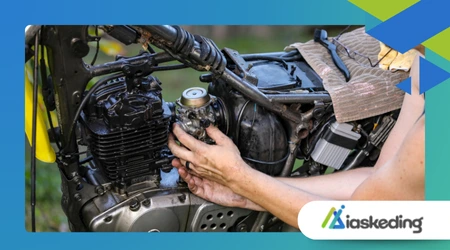
Electric motorcycle maintenance is often misunderstood. While it’s true that EVs eliminate oil changes, exhaust systems, and complex transmissions, they introduce new care requirements—primarily centered around battery longevity, software management, and specialized components.
Riders switching from gas bikes might assume electric models are “set it and forget it,” but that’s a costly misconception.
A well-maintained electric motorcycle can last over 100,000 miles, while neglect can lead to premature battery degradation and expensive repairs.
Why do some owners face sudden range drops or power loss?
The answer often lies in overlooked maintenance habits. Unlike combustion engines, where wear is gradual and audible, electric drivetrains fail silently—until it’s too late.
This guide dives deep into the essentials, from charging best practices to firmware updates, ensuring your bike stays in peak condition.
Battery Care: The Lifeline of Your Electric Motorcycle
Lithium-ion batteries are the most critical—and expensive—component of an electric motorcycle.
A 2024 Plug In America study revealed that riders who follow optimal charging habits extend battery health by 30% compared to those who frequently drain cells to zero.
Partial charging is key. Instead of waiting for a full discharge, plug in at 20-30%. This reduces stress on the battery’s chemical structure.
Think of it like hydration—sipping water throughout the day is better than chugging a gallon after dehydration.
Thermal conditions also play a major role. Prolonged exposure to temperatures above 95°F (35°C) accelerates degradation.
If you live in a hot climate, park in the shade or use a thermal-reflective cover. Cold weather? Let the battery warm up before fast charging.
Storage matters too. If not riding for weeks, keep the charge between 40-60%. Storing a fully charged battery for months can permanently reduce capacity.
Zero Motorcycles recommends checking voltage monthly during long-term storage.
Software Updates: Your Bike’s Invisible Tune-Up
Electric motorcycles are as much about code as they are about hardware. Manufacturers frequently release firmware updates that improve efficiency, throttle response, and even regenerative braking strength.
Ignoring these updates is like refusing to update your smartphone’s OS—you miss out on optimizations and bug fixes.
++How E-Bike Infrastructure Is Evolving Worldwide
For example, a 2023 LiveWire update increased range by 5% through better energy recuperation algorithms.
One California rider ignored updates for 18 months, only to realize his bike’s top speed had been software-limited due to an undisclosed safety patch. A quick visit to the dealership restored full performance.
Always enable automatic updates if available. If not, check the manufacturer’s app or website monthly. Some brands, like Energica, even offer over-the-air (OTA) updates, eliminating the need for dealer visits.
Tire and Brake Maintenance: Hidden Wear Points
Electric motorcycles deliver instant torque, which means tires wear faster. Michelin’s data shows that EV bikes can reduce tire lifespan by 15-20% compared to gas counterparts.
Rotate them every 3,000 miles and check pressure weekly—underinflation increases rolling resistance, cutting into your range.
Regenerative braking reduces mechanical wear, but it doesn’t eliminate it. Dust and moisture still accumulate on brake pads and rotors.
++Charging Ahead: How Long Does It Take to Charge an Electric Motorcycle?
A light squeak might just mean cleaning is needed, but persistent grinding could indicate pad replacement.
Inspect calipers every 6 months, especially in wet climates where corrosion is a risk. Some riders, like those in Seattle, report needing to clean brake components twice as often due to constant rain exposure.

Thermal Management: Keeping Your Battery Happy
Extreme heat is a battery’s worst enemy. A study by Battery University found that storing lithium-ion cells at 104°F (40°C) with a full charge can degrade capacity by 35% in just one year.
Parking in direct sunlight daily? Consider a garage or thermal cover. Some riders in Arizona use reflective windshield covers to shield battery compartments.
Cold climates require preconditioning—most EVs have a “battery warm-up” mode for optimal charging in freezing temps.
++The Future of Riding: Top 10 Electric Motorcycles to Watch in 2025
Rapid charging is convenient but generates heat. If you rely on DC fast chargers, let the battery cool for 10-15 minutes before plugging in again. Continuous high-speed charging without cooldown periods can shorten cell life.
The 80% Charging Rule: Maximizing Battery Longevity
Fast charging to 100% regularly strains lithium-ion cells. For daily commuting, stopping at 80% is ideal. Reserve full charges for long trips where extra range is necessary.
Tesla’s data (applicable to EV motorcycles) shows that charging to 90% instead of 100% can double the battery’s cycle life. The same logic applies to electric bikes—especially those with smaller battery packs.
If your bike has a “charge limit” setting, use it. Brands like Zero and LiveWire allow riders to set max charge thresholds in their apps, preventing accidental overcharging.
Warranty and Long-Term Costs
Most manufacturers offer 5-year battery warranties—but with strict conditions. Harley-Davidson’s LiveWire, for example, voids coverage if the bike is stored below -4°F (-20°C) for extended periods.
Dealerships can detect improper charging habits through battery logs. One rider in Florida learned this the hard way when his warranty claim was denied due to repeated deep discharges.
Always document maintenance. A well-kept service record strengthens warranty claims and improves resale value.
Final Thoughts: A New Era of Motorcycle Maintenance
Electric motorcycle maintenance isn’t about wrenches and grease—it’s about smart charging, software vigilance, and proactive care. The technology is evolving, but one truth remains: neglect is expensive.
By adopting these habits, you’ll ensure peak performance, longer battery life, and a smoother ride. The future of motorcycling is electric—but only those who maintain wisely will enjoy it fully.
Frequently Asked Questions
Q: How often should I charge my electric motorcycle?
A: Avoid full discharges. Plug in at 20-30% and stop at 80% for daily use.
Q: Do electric motorcycles need oil changes?
A: No, but they still require tire rotations, brake checks, and software updates.
Q: Can I wash my electric motorcycle like a regular bike?
A: Yes, but avoid high-pressure sprays near charging ports and battery compartments.
Q: How long do electric motorcycle batteries last?
A: With proper care, 8-10 years or 100,000+ miles before significant degradation.
Q: Do I need a special charger for home use?
A: Most bikes include a Level 1 charger, but a Level 2 charger (240V) speeds up charging significantly.
