
Electric Motorcycle Charging Station Compatibility Issues
Understanding the landscape of Charging Station Compatibility Issues is vital for any rider transitioning to electric mobility in 2026, as infrastructure still struggles to keep pace with diverse hardware.
While cars have moved toward standardization, motorcycles often face unique hurdles regarding plug types, voltage requirements, and communication protocols that can turn a simple recharge into a frustrating ordeal.
This guide dissects the technical friction points preventing a truly seamless experience.
We examine current connector standards, the silent failure of software handshaking, and why physical space at charging hubs remains a significant, yet frequently ignored, logistical headache for those on two wheels.
What are the primary Charging Station Compatibility Issues for motorcycles?
Motorcyclists frequently encounter hardware discrepancies where the physical plug on the station simply does not match the onboard inlet.
Unlike the automotive sector, where consensus is forming, some bike manufacturers still cling to proprietary connectors for specific regions, creating a fragmented map for riders.
Beyond the physical fit, internal power electronics play a decisive role. Many public DC fast chargers are optimized for massive car battery packs, often failing to even recognize the smaller, lower-voltage systems found in lightweight motorcycles.
There is something unsettling about arriving at a remote station only to find that the software handshake fails.
This is often maligned as a hardware fault, but it usually stems from outdated firmware or non-standard protocols that haven’t been tested against the latest bike models.
How does the North American Charging Standard (NACS) impact bikes?
The rapid adoption of NACS by major automakers has forced motorcycle brands to pivot their production lines mid-stream.
While NACS offers a more compact handle, a godsend for slim bike frames, integrating this high-power standard into tight spaces is a complex engineering puzzle.
Transitioning to NACS helps riders access the vast Tesla Supercharger network, but legacy bikes still rely on adapters to make the jump.
These adapters introduce another failure point, often limiting charging speed or struggling with thermal management during peak summer heat.
Relying on Charging Station Compatibility Issues as a reason to avoid electric bikes is becoming less valid, but the transition remains undeniably messy.
Many riders now find themselves carrying a small arsenal of dongles just to ensure they can refuel at any available point.
To understand the global shifts in electrification standards and how they affect consumer rights, the International Electrotechnical Commission (IEC) provides technical benchmarks that govern how these connectors must interact across different borders.
Comparison of Global Motorcycle Charging Standards (2026)
| Standard Type | Primary Regions | Typical Power Output | Motorcycle Compatibility |
| NACS (Tesla) | North America, Japan | Up to 250kW | High (on 2026 models) |
| CCS Combo 2 | Europe, Oceania | Up to 350kW | Standard for high-end tourers |
| J1772 (Level 2) | Global | Up to 19kW | Universal for daily commuters |
| ChaoJi | China, East Asia | Up to 900kW | Specific to Asian brands |
| Type 3 (Scame) | Specific EU regions | Up to 22kW | Fading out in favor of Type 2 |
Why do software handshakes fail during motorcycle charging?
Before a single watt flows, the station and the bike must agree on safety parameters. This digital conversation involves verifying battery temperature, maximum current limits, and payment authorization in an encrypted back-and-forth exchange that must be perfect.
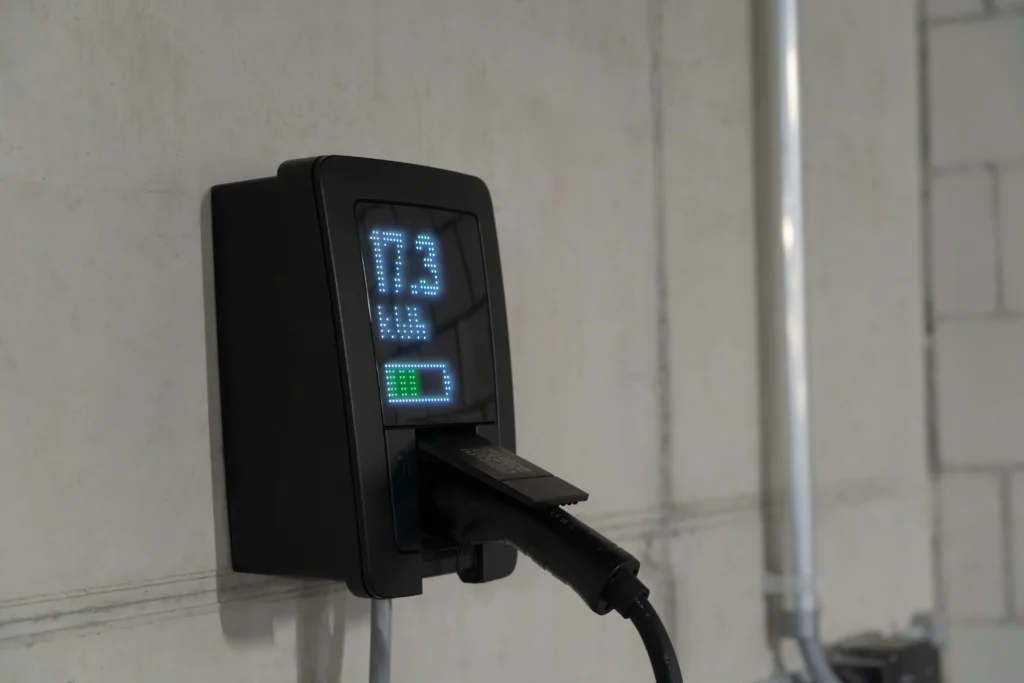
Compatibility issues arise when a station’s firmware hasn’t been updated to recognize a specific motorcycle’s unique ECU signature.
This results in the dreaded “Communication Error” displayed on the screen, leaving the rider stranded despite the hardware looking perfectly compatible.
Read more: Electric Motorcycle Swappable Battery Network Limits
It is often misinterpreted that all “Level 2” chargers are identical.
In reality, slight variations in signal timing or even the way a ground fault is detected can cause a motorcycle’s sensitive onboard charger to reject the connection entirely.
Which physical design flaws hinder motorcycle charging access?
Most charging stations were designed for four-wheeled vehicles, featuring heavy, short cables meant to reach a car’s front or rear bumper.
Motorcycles often have ports in central or awkward locations, requiring creative, and sometimes precarious, parking maneuvers.
Curb heights and bollard placements frequently prevent motorcycles from getting close enough to the plug.
Learn more: Electric Motorcycle Battery Heat Under Track Riding
This forces riders to park at odd angles, potentially blocking traffic or straining the liquid-cooled cables that were never meant to be stretched to their limit.
Addressing Charging Station Compatibility Issues requires more than just better code; it demands a total rethink of stall layouts.
Stations need to accommodate the turning radius and kickstand stability of a heavy electric tourer without treating it like a sub-compact car.
When should riders use third-party adapters for public stations?
Adapters are a necessary evil for riders moving between different charging ecosystems.
They are particularly useful for accessing “Destination Chargers” at hotels or workplaces that may still only offer legacy J1772 plugs from the previous decade.
However, using uncertified or cheap adapters is a significant risk.
High-current DC charging generates immense heat, and a poor connection can easily melt the plastic housing or, worse, damage the bike’s sensitive internal inverter beyond repair.
The convenience of a universal adapter is undeniable, yet it feels like a temporary patch for a fragmented industry.
Real progress will only occur when manufacturers commit to a single, global hardware standard that doesn’t require a suitcase full of plastic converters.
How do voltage requirements create invisible compatibility barriers?
Public DC fast chargers often have a minimum voltage threshold to initiate a session, typically around 200V.
Read more: Electric Transport IoT Charging Platforms for Urban Mobility
Many electric motorcycles operate on 100V to 150V systems, making them essentially “invisible” to certain high-powered charging kiosks.
This mismatch means a rider might be standing next to a perfectly functional 350kW charger but cannot draw any power.
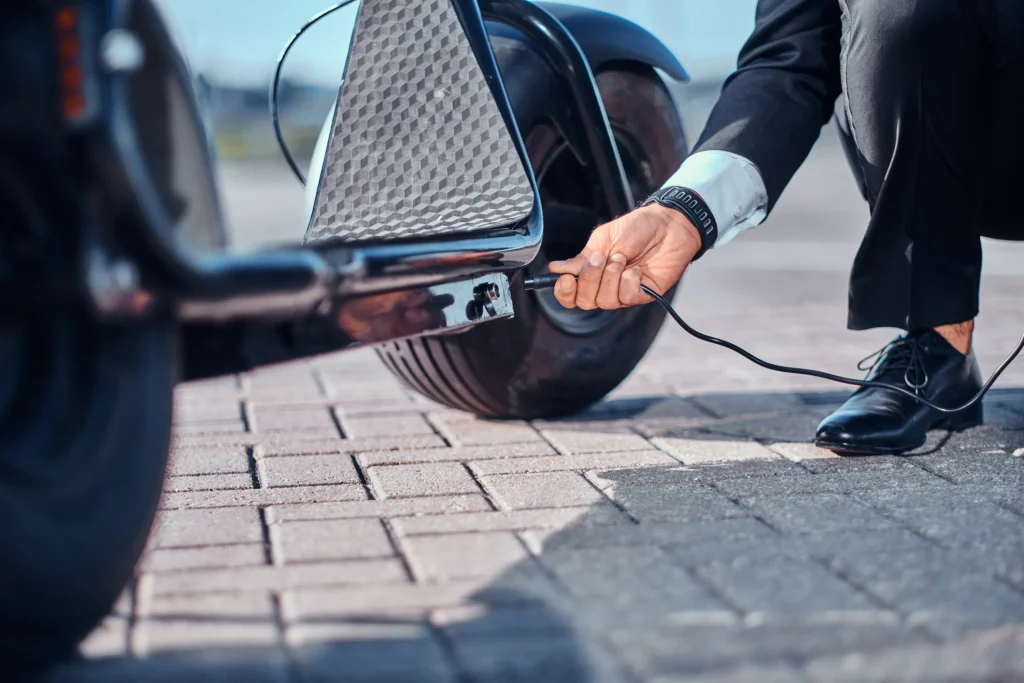
The station simply assumes nothing is plugged in because the battery’s voltage is below its operational floor.
Modern 2026 motorcycle designs are moving toward 400V architectures to solve this, but until then, riders of mid-range electric bikes must carefully map out stations that specifically support lower-voltage DC output.
For verified data on infrastructure growth and the legal frameworks protecting EV owners from “bricked” chargers, the Alternative Fuels Data Center (AFDC) offers comprehensive maps and regulatory updates for travelers.
FAQ: Navigating Electric Motorcycle Logistics
Can I charge my electric motorcycle at a Tesla Supercharger?
In 2026, many Superchargers are open to non-Tesla vehicles via NACS adapters. However, you must check the Tesla app first to ensure the specific site and stall configuration allow for motorcycle access.
Why does my bike charge slower than the station’s advertised speed?
The charging speed is always limited by the weakest link, which is almost always the motorcycle’s onboard charger. If your bike is capped at 7kW, a 350kW station won’t push it any faster.
Are motorcycle charging plugs waterproof in heavy rain?
Yes, standards like CCS and NACS are rated for outdoor use. However, always inspect the pins for debris or moisture before plugging in to avoid potential short circuits or “handshake” failures.
Solving Charging Station Compatibility Issues is the final frontier for the electric motorcycle revolution. As we move through 2026, the industry is finally coalescing around a few dominant standards, reducing the “range anxiety” that haunted early adopters.
While software glitches and physical stall layouts remain a nuisance, the increase in interoperability is undeniable.
The goal is an invisible infrastructure where the rider focuses on the road, not the plug.
By demanding better standards from manufacturers and operators, the motorcycling community can ensure that every “fuel” stop is as reliable as a traditional petrol station. The future is electric, but it must also be effortless.
